Plant-based eating is growing in popularity — for health reasons, sustainability, or simply because it tastes good. But one of the most common questions remains: can you actually get enough protein from plants? The answer is yes — as long as you know which plant-based sources are richest in protein and how to combine them intelligently.
Key takeaways
- Plant-based proteins are fully adequate for a healthy diet, including for active people
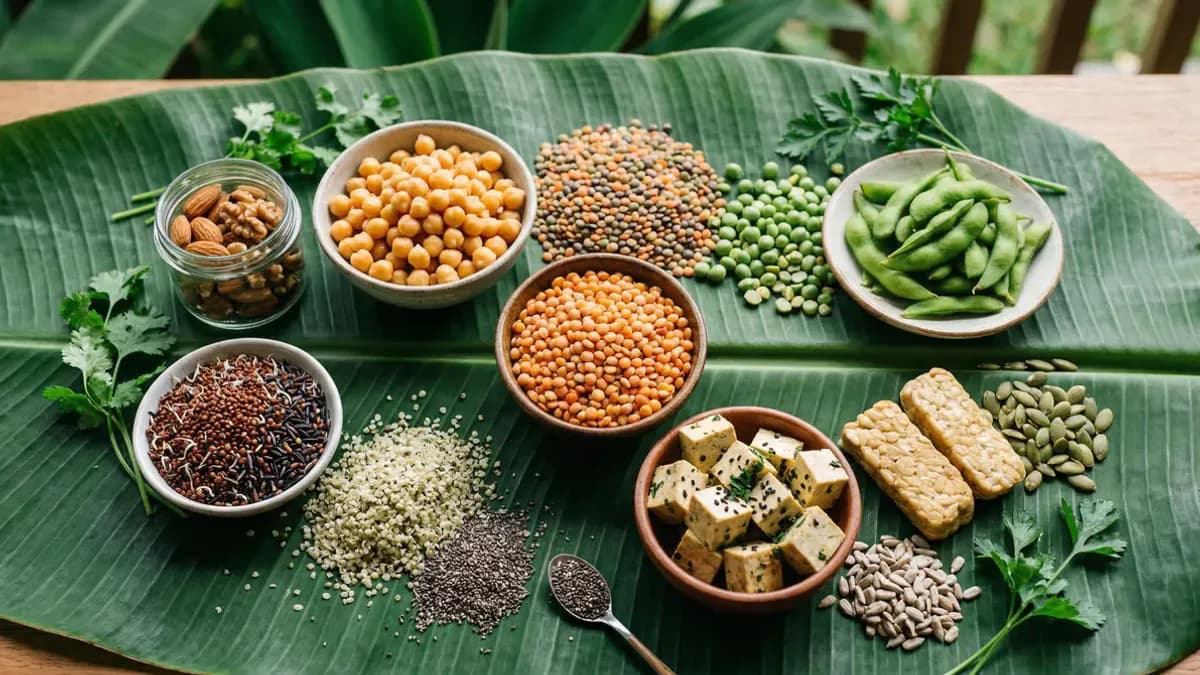
- The richest sources are tempeh, hemp seeds, edamame, lentils and chickpeas
- Most plant-based sources lack one or more essential amino acids — smart combining solves this
- Soy (edamame, tofu, tempeh) is an exception: it contains a complete amino acid profile
- Tracking your plant-based protein with Moveno makes it easy to stay on top of your daily target
Why plant-based protein can be just as effective
There's a persistent myth that plant-based protein is "inferior" to animal protein. It's true that animal protein generally has higher bioavailability and a more complete amino acid profile. But that doesn't mean plant-based protein is inadequate.
Research shows that people who eat a sufficient variety of plant-based protein sources — including athletes and older adults with higher protein needs — can effectively maintain and build muscle mass. The key is consuming all essential amino acids, which is achievable through a varied plant-based diet.
The best plant-based protein sources
Tempeh — 19 grams per 100 grams
Tempeh is fermented soy and contains more protein than tofu. The fermentation process also improves digestibility and protein bioavailability. Tempeh has a firm texture and a nutty flavour that works well in stir-fries, sandwiches and salads. It's one of the most protein-dense plant-based foods available.
Edamame — 11 grams per 100 grams
Edamame are young soybeans, available frozen in most supermarkets. They cook quickly, taste great as a snack with sea salt, and contain a complete amino acid profile — rare for a plant-based source. Add them to salads, stir-fries or eat them as a snack.
Lentils — 9 grams per 100 grams (cooked)
Lentils are one of the most accessible and affordable plant-based protein sources. Red lentils are easiest to prepare (no soaking required), while green and brown lentils hold their shape better and work well in salads. Lentils are low in methionine, but combining them with rice or another grain provides a complete amino acid profile.
Chickpeas — 9 grams per 100 grams (cooked)
Chickpeas are versatile: use them in hummus, roast them for a crunchy snack, add them to curries or toss them in salads. They're also high in fibre, contributing to a lasting feeling of fullness. Like lentils, combine with a grain for a complete amino acid profile.
Tofu — 8 grams per 100 grams
Tofu is made from soybeans and has a neutral flavour that absorbs marinades and spices well. Firm tofu works best for frying and stir-frying; silken tofu suits soups and smoothies. Tofu contains a complete amino acid profile and is an excellent meat substitute.
Black beans — 8 grams per 100 grams (cooked)
Black beans are a staple in Central and South American cuisines. They're rich in protein, fibre and iron. Add them to rice dishes, wraps, soups and salads. Combine with corn or rice for all essential amino acids.
Quinoa — 4 grams per 100 grams (cooked)
Quinoa is technically a seed but used like a grain. What sets it apart is that it's the only "grain" with a complete amino acid profile — all nine essential amino acids. Ideal as a base for salads or as a rice substitute. Note that the protein content per 100 grams is relatively low compared to other sources on this list.
Hemp seeds — 25 grams per 100 grams
Hemp seeds are one of the most protein-dense plant-based foods and also contain a complete amino acid profile. They have a favourable omega-3 to omega-6 ratio as well. Sprinkle over yogurt, oats or salads. They have a mild, nutty flavour.
Spirulina — 57 grams per 100 grams (dry weight)
Spirulina is a blue-green algae sold in powder form. The protein content per 100 grams is impressively high, but in practice you use only a small amount (5–10 grams per day). A teaspoon of spirulina provides around 3–5 grams of protein — a useful addition but not a primary source.
Nuts and seeds (variable)
Almonds (21g/100g), pumpkin seeds (19g/100g), peanut butter (25g/100g) and sunflower seeds (21g/100g) are all good supplementary protein sources. They're also rich in healthy fats and micronutrients.
The amino acid story: why combining matters
Proteins are made up of amino acids. There are 20 amino acids, of which 9 are essential — your body can't synthesise them and must obtain them through food. Animal protein sources contain all 9 essential amino acids in the right proportions. Many plant-based sources are missing one or more, or contain one in too low a concentration.
The solution is straightforward: combine legumes with grains. Legumes are rich in lysine but low in methionine. Grains are low in lysine but rich in methionine. Together, they complement each other perfectly.
Classic combinations that work:
- Lentils + rice (classic Middle Eastern pairing)
- Hummus + pitta bread (chickpeas + wheat)
- Beans + corn tortilla (beans + maize)
- Tofu + brown rice
You don't need to eat these combinations in the same meal — your body pools amino acids throughout the day. But variety is the foundation.
Practical tips for eating more plant-based protein
Start each meal with a plant-based protein source: tofu, tempeh, lentils, chickpeas or edamame. Add hemp seeds or pumpkin seeds as a topping on salads or yogurt. Use beans or lentils as a filling in wraps and soups instead of meat.
Want to track how much plant-based protein you're eating? With Moveno, you photograph your meal and immediately see the nutritional values — including protein content. So you always know whether you're on track for your daily goal.
For more on protein requirements, read our guide on how much protein per day. And for easy recipes featuring plant-based proteins, take a look at our high-protein recipes — including fully plant-based options.
Plant-based proteins are substantial, accessible and surprisingly versatile. It comes down to knowing which sources deliver the most and how to combine them smartly.