Getting enough protein every day is one of the most common nutrition challenges. You know you need it, but turning that knowledge into consistent habits across every meal takes planning. The good news: high-protein eating doesn't require complicated cooking or expensive supplements. With the right recipes and a little variety, hitting your target becomes almost automatic.
Key takeaways
- Protein supports muscle repair, satiety and a healthy metabolism
- 15 recipes across breakfast, lunch and dinner — each delivering 18 to 40 grams of protein per serving
- Mixing animal and plant-based protein sources provides the most nutritional variety
- Tracking your intake with an app like Moveno makes it easy to see if you're on target
- Meal prep saves time and ensures you always have a high-protein option ready
Why protein matters
Protein is one of three macronutrients, alongside carbohydrates and fat. But it plays a uniquely important role. It's the primary building block for muscle tissue, which means it's essential whether you're actively training or simply trying to maintain your physique as you age. Protein is also the most satiating macronutrient — research published in the American Journal of Clinical Nutrition shows that higher protein intake may help reduce overall calorie consumption by keeping hunger in check for longer after meals.
The general recommendation for sedentary adults is at least 0.8 grams of protein per kilogram of body weight per day. Active individuals and those aiming to lose fat while preserving muscle do better with 1.6 to 2.2 grams per kilogram. For a 75 kg person, that means 120 to 165 grams of protein daily — a meaningful target that requires intentional food choices.
High-protein breakfast recipes
A strong breakfast sets up the rest of the day. Here are three options that are quick to make and easy to track:
Greek yogurt bowl with nuts and fruit — 25 grams of protein
Combine 200 grams of Greek yogurt (full-fat or low-fat, both work) with a handful of mixed nuts and a few pieces of fresh fruit. This takes five minutes to prepare. Greek yogurt alone delivers 17–20 grams of protein depending on the brand; the nuts add another 5–6 grams.
Vegetable and cheese omelette — 20 grams of protein
Whisk three eggs with a pinch of salt and pepper and cook over medium heat. Add spinach, bell pepper and a sprinkle of grated cheese halfway through. Simple, fast, and nutritious. Two eggs alone provide 12 grams of protein; cheese and vegetables round out the rest.
Overnight oats with protein powder — 30 grams of protein
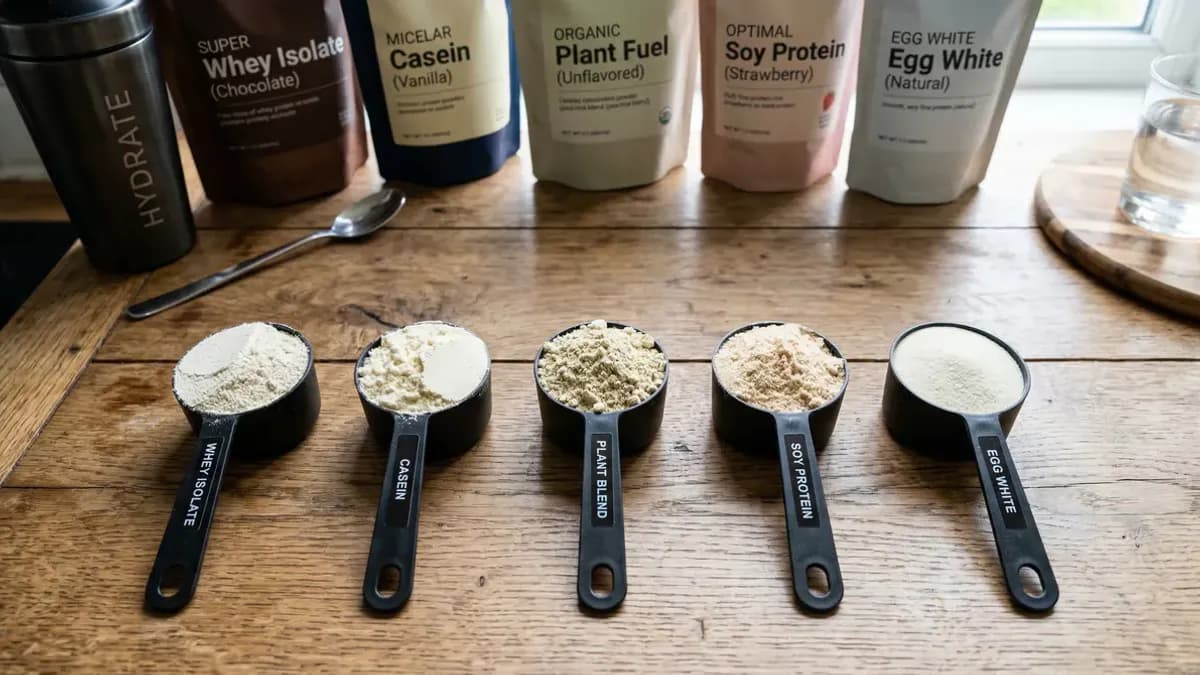
Mix 60 grams of rolled oats with 200 ml of milk (or a plant-based alternative), a scoop of protein powder and a drizzle of honey. Leave it in the fridge overnight and breakfast is ready when you wake up. The oats deliver slow-release carbohydrates; the protein powder takes care of the protein hit.
High-protein lunch recipes
Lunch is where many people fall short — reaching for a plain sandwich or a light salad that leaves them hungry an hour later. These three lunches change that:
Tuna salad on wholegrain bread — 35 grams of protein
A 120-gram can of tuna in water contains around 25 grams of protein. Mix it with a tablespoon of Greek yogurt instead of mayonnaise, add cucumber, red onion and capers, and serve on two slices of wholegrain bread. Filling, quick and easy to take to work.
Chicken wrap with avocado and vegetables — 28 grams of protein
Pan-fry a 150-gram chicken breast in olive oil with garlic and smoked paprika. Slice the chicken and roll it into a wholegrain wrap with avocado, lettuce, tomato and a squeeze of lime. A complete meal in under 15 minutes.
Red lentil soup — 18 grams of protein
Red lentils are one of the best plant-based protein sources available. Simmer them with onion, garlic, carrot, chopped tomatoes and vegetable stock, then season with cumin and turmeric. This soup is easy to make in bulk and keeps for five days in the fridge — perfect for meal prep.
High-protein dinner recipes
Dinner offers the most room to hit your protein targets in a single sitting. Here are three recipes that deliver:
Salmon with quinoa and broccoli — 40 grams of protein
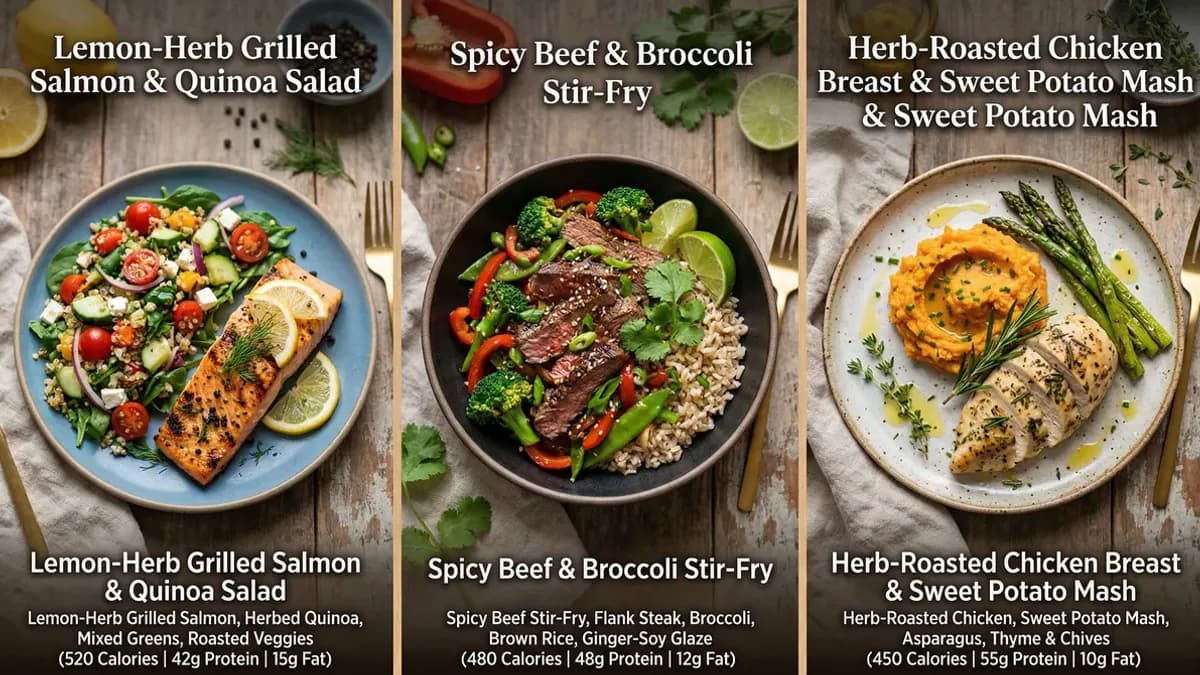
A 150-gram salmon fillet provides around 30 grams of protein. Pair it with 80 grams (dry weight) of quinoa — which contains all nine essential amino acids — and roasted broccoli. Season the salmon with lemon juice, garlic and dill. Ready in 25 minutes.
Teriyaki chicken with brown rice — 35 grams of protein
Marinate a chicken breast in soy sauce, honey and fresh ginger. Grill or pan-fry until cooked through and serve with brown rice and steamed broccoli or bok choy. The combination of lean chicken and complex carbohydrates makes this one of the most balanced high-protein dinners you can put together quickly.
Tofu stir-fry with edamame — 22 grams of protein
Press firm tofu until dry, then fry in sesame oil until crispy. Add edamame, bell pepper and spring onion, and finish with a sauce of soy sauce, rice vinegar and a little sesame oil. A fully plant-based dinner with an impressive protein content. For more ideas like this, take a look at our guide to plant-based proteins.
How much protein should each meal contain?
A practical rule of thumb: divide your daily protein target across three or four meals. If your goal is 150 grams per day, aim for roughly 40–50 grams per main meal, plus a protein-rich snack in between. Research suggests the body can effectively use around 25–40 grams of protein per meal for muscle protein synthesis — eating more isn't harmful, but the marginal gains for muscle building plateau above that range.
Tracking makes it easier
Knowing how much protein you're actually consuming is the first step. With Moveno, you photograph your meal and instantly see the nutritional values — including protein content. No manual calculation required. You can see at a glance whether you're on track for your daily target.
The recipes in this article range from 18 to 40 grams of protein per serving. Combine the breakfast, lunch and dinner options listed above and you're already at 75–95 grams — add a snack and you'll comfortably reach 130 grams or more.
Practical tips for eating more protein
Don't try to double your protein intake overnight — your digestive system needs time to adjust. Build up gradually. Make sure every meal contains a protein source: an egg, a portion of legumes, lean meat, fish or dairy. Meal prep helps significantly: cook a large batch of lentil soup or roasted chicken on Sunday and you're covered for the first half of the week.
Vary between animal and plant-based sources. Animal protein (meat, fish, eggs, dairy) has a complete amino acid profile and high bioavailability. Plant protein (legumes, tofu, edamame, quinoa) is equally valuable but may require more attention to combinations. You can read more in our article on plant-based proteins.
Wondering how much protein you specifically need? Read our guide on how much protein per day. And if you're considering whether protein shakes are worth adding to your routine, check out our breakdown of protein shakes.
Pick one recipe from this list, try it this week, and track how it makes you feel. Small, consistent steps are what drive lasting change.