What does healthy eating actually mean?
Healthy eating means giving your body the right nutrients in the right quantities. It is not about perfection — it is about building a dietary pattern you can maintain long-term that supports your energy levels, weight and overall health.
The fundamentals are simpler than most people assume: eat a variety of foods, choose minimally processed options, and make sure your plate includes plenty of vegetables, fruit, wholegrains, legumes and nuts.
The Dutch Wheel of Five as a starting point
The Netherlands Nutrition Centre uses the Wheel of Five as a practical guide for healthy eating. A revised version, incorporating all updated scientific insights from the Health Council's 2025 dietary guidelines, is set to be released in spring 2026. The five segments are:
- Vegetables and fruit — at least 200 g of vegetables and 200 g of fruit per day
- Wholegrains — wholegrain bread, pasta, rice and oats
- Legumes, fish, eggs, meat and dairy — with a clear shift towards plant-based protein sources
- Nuts and fats — unsaturated fats from nuts, seeds and olive oil
- Drinks — water as the default, with limits on sugar-sweetened beverages
The Health Council's 2025 guidelines explicitly recommend a shift towards more plant-based eating: less red and processed meat, more legumes and nuts.
What nutrients does your body need?
A healthy dietary pattern delivers all the essential nutrients:
Macronutrients:
- Carbohydrates — your primary energy source. Choose complex carbohydrates from wholegrains, vegetables and legumes.
- Protein — essential for muscle repair, hormones and immune function. Aim for 0.8–1.2 g per kg of bodyweight per day.
- Fats — required for fat-soluble vitamins and cell repair. Prioritise unsaturated fats from fish, nuts and olive oil.
Micronutrients: Vitamins and minerals come from a varied diet. Vegetables and fruit supply vitamin C, folate and potassium. Dairy and oily fish provide calcium, vitamin D and B12. Legumes are rich in iron, zinc and magnesium.
Fibre: Aim for 30–40 g of fibre per day. Fibre supports gut health, slows sugar absorption and increases satiety.
Practical daily tips
1. Build your plate the right way
A simple portion rule: divide your plate into three zones.
- Half: vegetables (raw, cooked or roasted)
- Quarter: protein source (chicken, fish, legumes, eggs, tofu)
- Quarter: complex carbohydrates (potato, wholegrain rice or pasta)
2. Eat regularly — but snacking is optional
Three main meals a day works well for most people. If you do snack, choose something that actually nourishes you: fruit, unsalted nuts, Greek yoghurt or vegetable sticks with hummus.
3. Choose minimally processed foods
The shorter the ingredient list on the packaging, the better. Processed foods often contain hidden sugars, salt and unhealthy fats that undermine your dietary pattern.
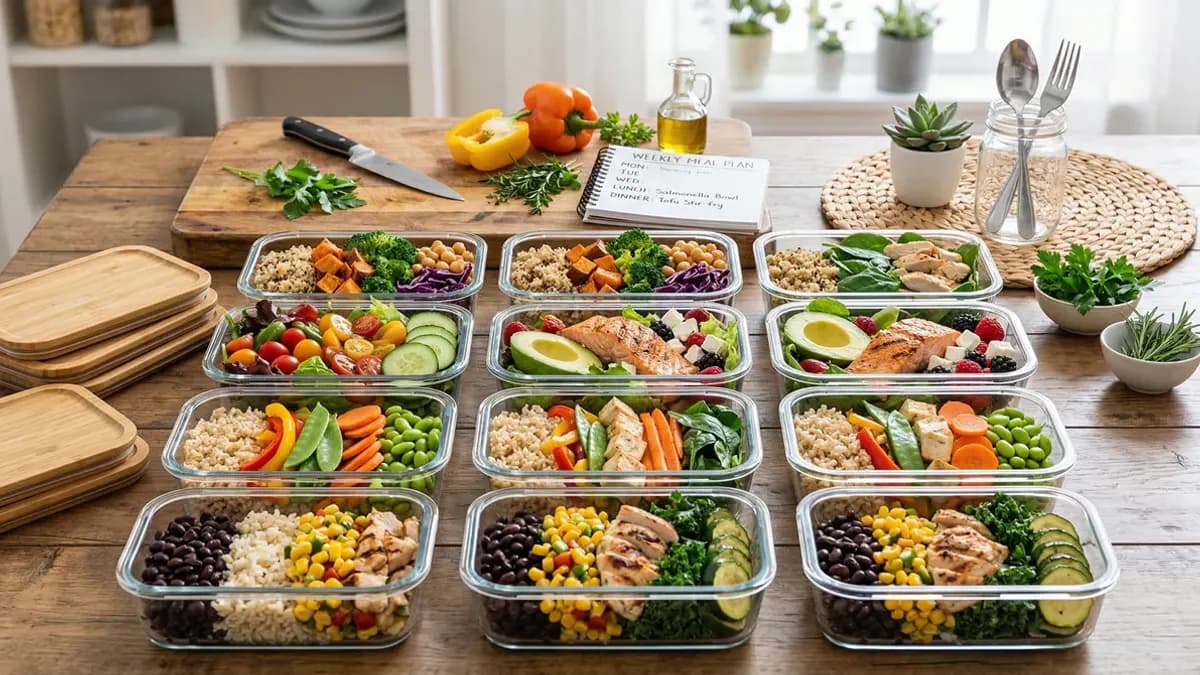
4. Prepare meals in advance
Meal prep does not have to be a big undertaking. Cooking a little extra on Sunday — a pot of soup, a batch of grains, some roasted vegetables — makes it far easier to make healthy choices during the week.
5. Stay hydrated
Target 1.5–2 litres of water per day. Thirst is often mistaken for hunger. A glass of water before a meal may help moderate portion sizes.
What to limit
You do not need to ban anything completely, but less is better when it comes to:
- Sugar-sweetened drinks — soft drinks, fruit juice and energy drinks deliver empty calories
- Processed meat — sausages, bacon and deli meats are linked to an increased risk of bowel cancer
- Ultra-processed snacks — crisps, biscuits and ready meals provide few nutrients and many calories
- Trans fats — found in cheap pastries and fried foods
Healthy eating and tracking what you eat
For many people it can be helpful to track their food temporarily — not as a diet, but as an awareness exercise. You will quickly notice that a healthy dietary pattern naturally delivers a good balance of calories, protein, fat and carbohydrates, without having to count everything.
With an app like Moveno, you photograph your meal and instantly see the full nutritional breakdown. That can be a useful way to gain insight into your eating habits, especially at the start.
Healthy eating for specific goals
Weight loss: Focus on nutrient density — lots of nutrients per calorie. Vegetables, legumes and lean protein are your best friends. See also our article on healthy eating for weight loss.
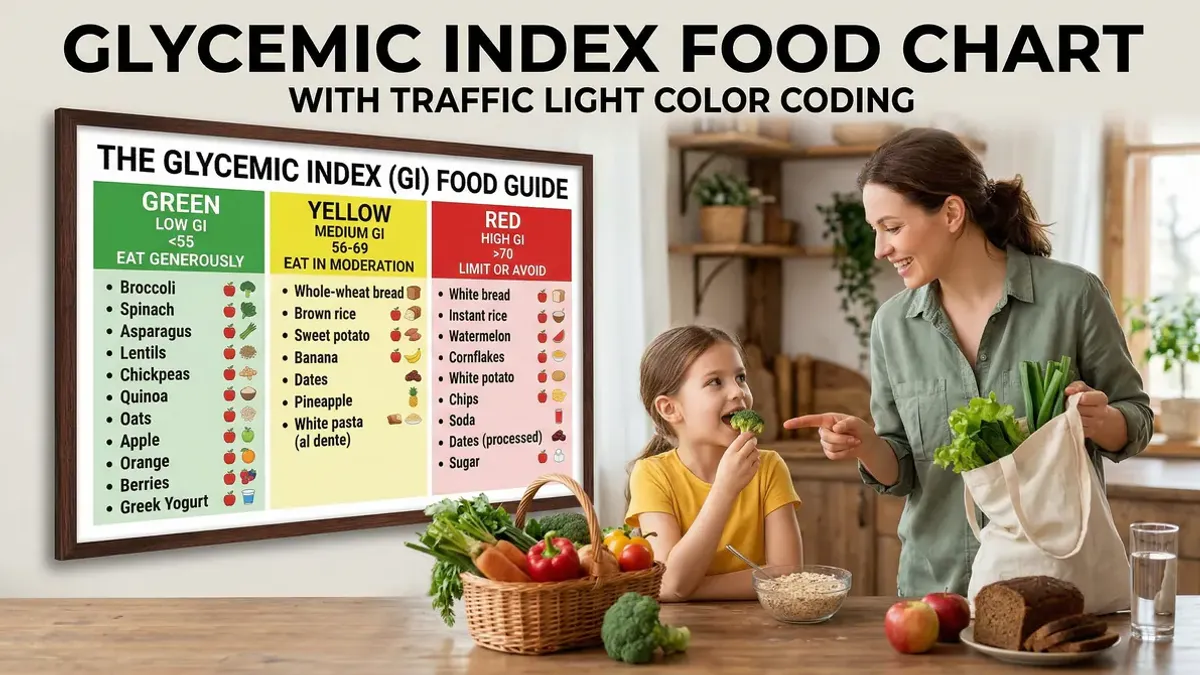
Energy: Avoid large blood sugar swings by choosing slow carbohydrates and eating regular meals.
Athletes: Increase your protein intake slightly and make sure you get adequate carbohydrates around your workouts.
Busy people: Invest five minutes in meal prep and keep healthy staples in the kitchen at all times.
Key takeaways
Healthy eating comes down to a few core principles: variety, more plant-based foods, less processed food and adequate hydration. The Wheel of Five provides a reliable guide, grounded in the most recent Dutch dietary guidelines from the Health Council (2025).
Start small: one improvement per week, maintained consistently, produces a fundamentally different dietary pattern within a year. That is far more sustainable than a radical change you cannot keep up.