
Protein shakes are everywhere. In gyms, on social media, in supermarkets — it can seem like you can't take fitness seriously without one. But is that image accurate? Do you actually need a protein shake, or is it mostly a convenient marketing product? The answer is more nuanced than the supplement industry would have you believe, and it depends heavily on your situation.
Key takeaways
- A protein shake is a supplement — useful for some, unnecessary for others
- Makes sense when you struggle to hit your protein target through food, or need fast protein after training
- Less useful if you already eat enough protein-rich meals throughout the day
- Types: whey (fast absorption), casein (slow release), plant-based (pea, rice, soy)
- When buying, check protein content per serving, sugar content and ingredient quality
What is a protein shake?
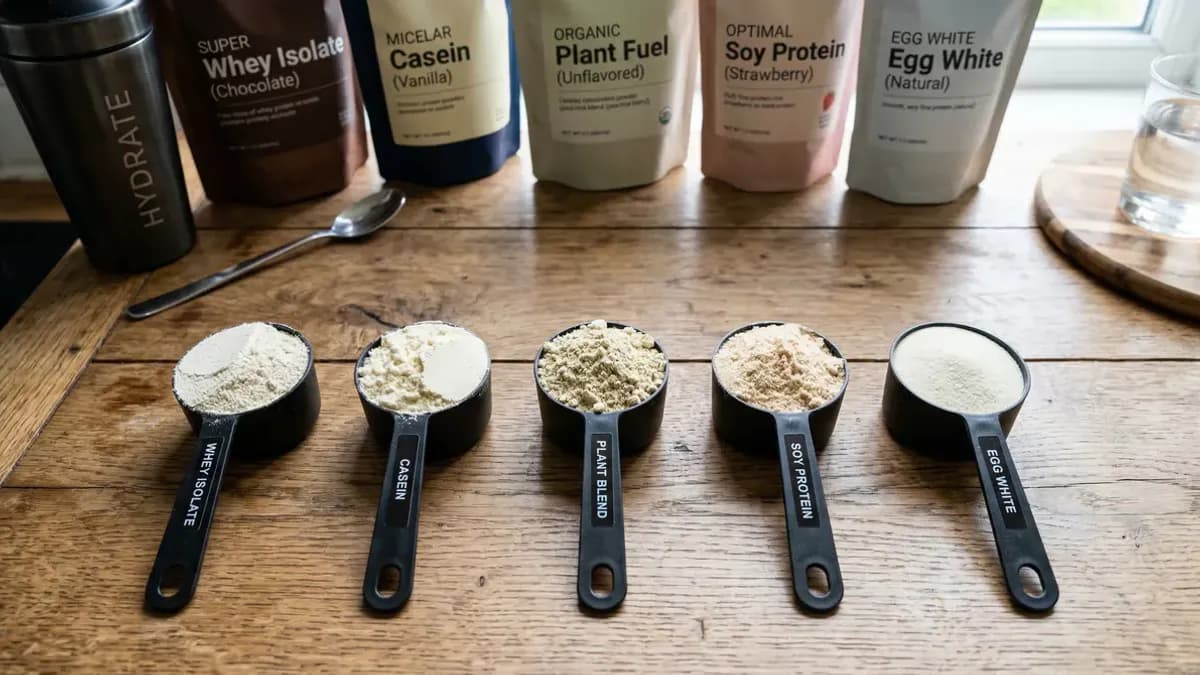
A protein shake is a drink made by mixing protein powder with water, milk or a plant-based alternative. The powder is made from concentrated protein sources — the most popular being whey, a byproduct of cheese production. Other options include casein (also from milk), soy protein, pea protein, rice protein and blended plant-based formulas.
A standard serving of protein powder typically delivers 20 to 30 grams of protein with relatively little carbohydrate or fat. That makes shakes an efficient way to boost your protein intake without adding many extra calories.
When does a protein shake actually make sense?
You can't hit your protein target through food alone
If your daily protein goal is 150 grams but your meals only deliver around 100, a shake closes that gap easily. This is the most legitimate reason to use a protein shake: convenience and efficiency, not magic.
Right after training
The post-workout "anabolic window" has been debated for years. More recent research suggests the timing window is less strict than previously thought. But protein after training is genuinely useful for muscle repair and recovery. A shake is convenient here because you can prepare it in seconds and consume it immediately — no cooking required.
Busy schedule with limited time
If your day is packed and you frequently can't prepare a proper high-protein meal, a shake is a practical fallback. Making a protein shake takes about 30 seconds — significantly faster than cooking chicken or preparing a tuna salad.
Poor appetite
Some people — older adults, those recovering from illness or individuals with reduced appetite during a calorie deficit — find it difficult to consume enough protein through solid food. A liquid source can be easier to get down.
When is a protein shake unnecessary?
If you're already eating enough high-protein meals and comfortably hitting your daily target through food, a shake adds very little. Protein from food and protein from a shake have the same effect on your body — there's nothing special about the shake itself. It's purely about convenience.
If you have no specific protein goal and don't exercise regularly, a shake is rarely needed. Most people without athletic goals meet their protein requirements through a normal, balanced diet. In that case, whole food sources are preferable — they provide fibre, vitamins and minerals that a shake doesn't.
Types of protein shakes
Whey protein
Whey is the most widely used protein powder, and for good reason. It's rapidly absorbed — amino acid levels in the blood peak within one to two hours of consumption. That makes whey ideal when you want to deliver protein to your muscles quickly after training. It also has a high biological value and a complete amino acid profile, including a high concentration of leucine — the amino acid that plays a key role in muscle protein synthesis.
Three main variants exist: whey concentrate (most affordable, slightly higher fat and lactose), whey isolate (purer, lower lactose, slightly more expensive) and whey hydrolysate (pre-digested, fastest absorption, most expensive). For most people, concentrate or isolate is more than sufficient.
Casein
Like whey, casein comes from milk — but it digests much more slowly. While whey is absorbed within one to two hours, casein releases amino acids gradually over six to eight hours. That makes it less ideal immediately after training but well suited as an evening snack or before an extended period without food.
Plant-based protein shakes
For those who don't use dairy, there are solid plant-based alternatives:
Pea protein is the most popular option. It has a relatively high biological value, a good amino acid profile and is low in allergens. It's slightly low in methionine, but this is easy to compensate for through other food sources.
Rice protein is hypoallergenic and easy to digest, but has a less complete amino acid profile. Often combined with pea protein for a better nutritional balance.
Soy protein is the only plant-based option with a complete amino acid profile and biological value comparable to whey. A strong choice for vegans looking for maximum efficiency.
What to look for when buying
The supplement market is loosely regulated in many countries, which means misleading claims are common. Keep these factors in mind:
Protein content per serving. A quality shake delivers at least 20 grams of protein per serving. Check the label, not just the marketing.
Sugar content. Many flavoured shakes contain 10 to 20 grams of sugar per serving — nearly as much as a candy bar. Aim for products with under 5 grams of sugar per serving.
Ingredient list. Shorter is better. Protein, flavouring, sweetener and an emulsifier are sufficient. Be critical of long lists of fillers and cheap additives.
Third-party testing. In markets where supplements are lightly regulated, quality control is not guaranteed. Where relevant, look for products carrying an Informed Sport or NSF certification.
How to use a protein shake effectively
A shake supplements your diet — it doesn't replace meals. Use it as a snack or post-workout, not as a substitute for breakfast or dinner. Whole food provides fibre, vitamins, minerals and phytonutrients that a shake simply can't replicate.
Combine your shake with a piece of fruit for a more complete nutritional picture. Banana, berries or mango blend well and add carbohydrates and micronutrients.
Want to track how much protein you're getting from both shakes and food? With Moveno, you can log shakes alongside your meals and get an accurate picture of your daily protein intake at a glance. For more protein ideas without supplements, take a look at our guides on high-protein snacks and high-protein recipes. And for plant-based protein sources, read our article on plant-based proteins.
The bottom line: a protein shake is a useful tool — nothing more, nothing less. Use it if it fits your lifestyle and goals, but don't be persuaded that you can't succeed without one.