High blood pressure raises the risk of heart attack, stroke, and kidney damage. The good news: diet has a demonstrable effect on blood pressure. Not as a replacement for medication, but as a powerful complement — and in cases of mild elevation, sometimes enough to avoid medication altogether. This article examines what the science says about blood pressure and food.
Key takeaways
- High blood pressure (hypertension) affects an estimated 3 million people in the Netherlands and is a major risk factor for cardiovascular disease
- The DASH diet is the most thoroughly studied dietary pattern for blood pressure and lowers systolic pressure by an average of 8–14 mmHg
- Reducing salt intake is effective: every gram less sodium per day lowers blood pressure by approximately 1–2 mmHg
- Potassium-rich foods (bananas, potatoes, leafy greens) help the kidneys excrete sodium
- Supporting evidence: beetroot juice, garlic, dark chocolate, and omega-3 fatty acids may each benefit blood pressure
What is high blood pressure?
Blood pressure is expressed as two numbers: systolic pressure (when the heart contracts) and diastolic pressure (when the heart relaxes). A normal blood pressure is below 120/80 mmHg. Hypertension is generally diagnosed when blood pressure is 140/90 mmHg or above, measured on multiple occasions.
Sustained elevated blood pressure damages artery walls, enlarges the heart, impairs kidney function, and greatly increases the risk of stroke. Most people with hypertension have no symptoms initially — which is why it is sometimes called the 'silent killer'.
The DASH diet
The DASH diet (Dietary Approaches to Stop Hypertension) was developed in the 1990s by researchers at the US National Heart, Lung, and Blood Institute. The results, published in The New England Journal of Medicine, were compelling: participants saw their blood pressure fall significantly within eight weeks — comparable to the effect of blood pressure medication.
The DASH diet is based on:
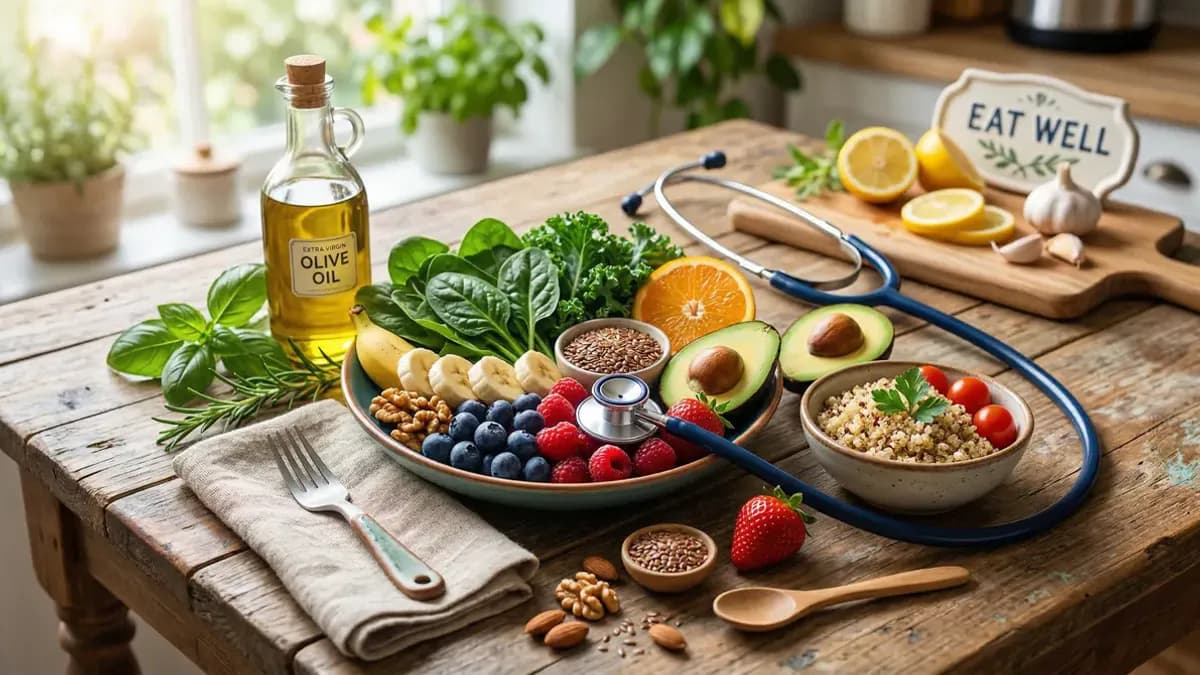
- Plenty of vegetables and fruit (8–10 servings per day)
- Whole grains
- Low-fat dairy products
- Legumes, nuts, and seeds
- Lean protein sources (fish, poultry, eggs)
- Limited red meat, sugar, and salt
The diet raises intake of potassium, magnesium, and calcium — minerals that relax blood vessels and improve their elasticity. At the same time, it reduces intake of sodium, saturated fat, and added sugars.
Reducing salt: the direct effect
Sodium chloride (table salt) raises blood pressure because sodium retains water in the blood, increasing the volume within the blood vessels. The World Health Organization (WHO) recommends a maximum of 5 grams of salt per day (2 grams of sodium); the average Dutch person consumes more than double that amount.
Every gram less sodium per day lowers systolic blood pressure by 1–2 mmHg in people with hypertension. That may sound modest, but consistent reduction over years has a large impact on cardiovascular risk.
Hidden salt lurks in:
- Bread (the largest source in the Dutch diet)
- Cheese
- Processed meats and sausages
- Ready-made soups, sauces, and meals
- Savoury snacks
Potassium: sodium's counterpart
Potassium helps the body excrete excess sodium through the kidneys and relaxes the walls of blood vessels. Multiple meta-analyses show that higher potassium intake is associated with lower blood pressure.
Good sources of potassium:
- Bananas — the most well-known source, though not the richest; one banana contains approximately 400 mg potassium
- Potatoes — one medium potato contains more than 900 mg potassium
- Spinach and other leafy greens
- Sweet potato
- Avocado
- Legumes (white beans, lentils, chickpeas)
- Yoghurt
The recommended daily intake of potassium is 3,500 mg; most people fall short of this.
Specific foods with proven effects
Beetroot juice Beetroot is rich in inorganic nitrate. In the body, nitrate is converted to nitric oxide (NO), which dilates blood vessels. Multiple randomised studies show that 200–300 ml of beetroot juice daily can lower systolic blood pressure by 4–10 mmHg. The effect appears within 2–3 hours.
Garlic Allicin in garlic has a vasodilatory effect. A meta-analysis of 12 randomised studies showed an average reduction in systolic blood pressure of 8 mmHg in people with hypertension who took garlic supplements. Regular use of fresh garlic in cooking delivers a comparable effect.
Dark chocolate Flavonoids in cocoa stimulate nitric oxide production. Multiple studies suggest that 30–50 grams of dark chocolate (>70% cocoa) per day can modestly lower blood pressure. The effect is modest but consistent in people with hypertension.
Omega-3 fatty acids Oily fish (salmon, mackerel, herring) provides EPA and DHA, which reduce inflammation and keep blood vessels flexible. A dose of 3 grams of omega-3 per day lowers systolic blood pressure by an average of 4 mmHg.
Oats Beta-glucan in oats lowers LDL cholesterol, but also contributes to lower blood pressure through improvements in vascular function.
Olive oil Extra-virgin olive oil contains polyphenols that stimulate nitric oxide production. The Mediterranean diet, rich in olive oil, is consistently associated with lower blood pressure values.
What to avoid
- Excessive alcohol: more than 1–2 drinks per day significantly raises blood pressure
- Caffeine: in people who are sensitive, caffeine can temporarily raise blood pressure; the chronic effects are smaller than commonly believed
- Processed food: high in sodium, saturated fat, and sugar — a triple burden on your blood pressure
- Sugary drinks: soft drinks and fruit juices are associated with higher blood pressure
Tracking your diet helps
Moveno lets you scan your food and instantly see the sodium content — useful when you want to reduce your salt intake and spot hidden salt in bread, cheese, and ready-made products. Learn more about the benefits of food tracking in our article on food tracking.
Sources
- Hartstichting — DASH-dieet verlaagt bloeddruk
- National Geographic NL — Waarom het DASH-dieet je bloeddruk verlaagt, zonder medicijnen
- Voedingscentrum — DASH-dieet