
Low-carb eating has been gaining popularity for years, and for good reason. Many people experience real benefits: more sustained energy, fewer blood sugar fluctuations, and often weight loss. But what does low-carb eating actually mean? What can you eat, what should you avoid, and how healthy is it really? In this article we lay out everything you need to know.
Key takeaways
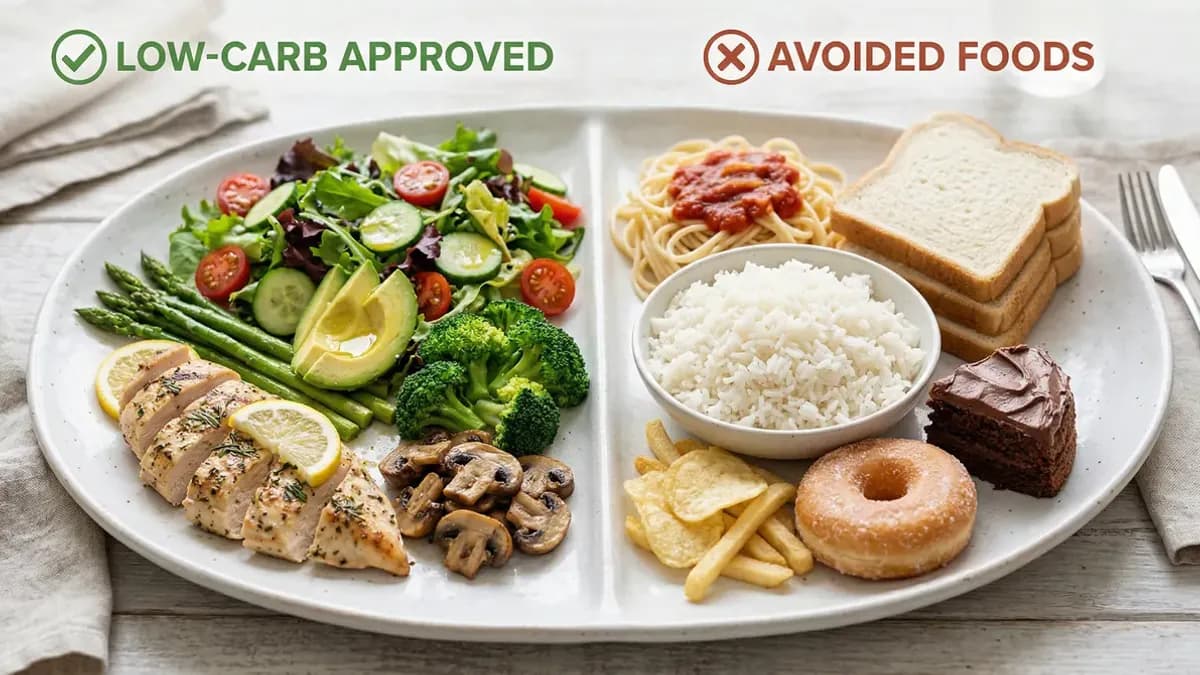
Low-carb eating means limiting carbohydrate intake to 50–130 grams per day (versus the average 250–300 grams). You eat more protein and fat as energy sources. Allowed: meat, fish, eggs, vegetables, nuts, cheese and avocado. Avoid: bread, pasta, rice, potatoes, sugar and soft drinks. The goal is blood sugar stabilisation and often weight loss.
What exactly is low-carb eating?
Low-carb eating is not a fixed diet with strict rules, but an eating pattern in which you consciously consume fewer carbohydrates than average. There are different levels:
| Level | Carbohydrates per day | Description |
|---|---|---|
| Lightly carb-restricted | 130–175g | Quick wins, easiest adjustment |
| Low-carb | 50–130g | Most common, good for weight loss |
| Strictly low-carb | 30–50g | Almost ketogenic, stricter approach |
| Ketogenic | Below 20–30g | Induces ketosis, fat as primary fuel |
The average person in the Netherlands eats approximately 250–300 grams of carbohydrates per day. Low-carb typically means reducing this to below 130 grams.
What CAN you eat?
Protein-rich foods (virtually no carbohydrates)
Meat and poultry:
- Chicken, turkey, duck
- Beef, pork, lamb
- Game (venison, wild boar)
- Processed meats without added sugars (check the label)
Fish and seafood:
- Salmon, mackerel, tuna, herring — also rich in omega-3
- Prawns, mussels, squid, crab
- White fish (cod, tilapia, sole)
Eggs: One egg contains approximately 0.6 grams of carbohydrates — ideal as a low-carb food. Prepared any way you like: boiled, as an omelette, poached, fried.
Vegetables (low in carbohydrates)
Non-starchy vegetables form the foundation of a low-carb eating pattern:
- Leafy greens: spinach, lettuce, rocket, kale, Swiss chard
- Brassicas: broccoli, cauliflower, Brussels sprouts, red/white cabbage, pak choi
- Courgette, cucumber, peppers, celery
- Mushrooms, asparagus, green beans
- Tomatoes, avocado (also a fat source), olives
Rule of thumb: vegetables that grow above ground are generally low in carbohydrates; underground vegetables (carrots, potatoes, beetroot) contain more carbohydrates.
Dairy products
- Cheese: virtually no carbohydrates (Gouda, cheddar, brie, camembert, Parmesan)
- Butter and double cream: minimal carbohydrates
- Full-fat yoghurt and Greek yoghurt: approximately 4–5g carbohydrates per 100g
- Cottage cheese: approximately 3–4g carbohydrates per 100g
- Full-fat milk: approximately 5g carbohydrates per 100ml (in moderation)
Nuts and seeds
Excellent snacks on a low-carb diet due to the combination of healthy fats, protein and fibre:
- Walnuts (GI 15), macadamia nuts, pecans
- Almonds, hazelnuts, pistachios
- Chia seeds, flaxseeds, pumpkin seeds, sunflower seeds
- Peanut butter and almond butter (unsweetened, no added sugars)
Healthy fats
- Extra virgin olive oil
- Coconut oil
- Avocado and avocado oil
- Fatty fish (salmon, mackerel)
Berries (in moderation)
Berries have the lowest carbohydrate content of all fruits: strawberries (~7g/100g), raspberries (~5g/100g), blueberries (~14g/100g), blackberries (~10g/100g).
What should you AVOID?
Grains and starchy products
These are the largest carbohydrate sources that you significantly restrict or avoid:
- Bread (including wholegrain and multigrain): 40–50g carbohydrates per 100g
- Pasta and rice (including wholegrain): 25–35g carbohydrates per 100g cooked
- Potatoes in all forms: 17–20g carbohydrates per 100g
- Couscous, bulgur, polenta: 20–25g carbohydrates per 100g cooked
- Breakfast cereals: 60–80g carbohydrates per 100g dry
- Crackers, rice cakes: 70–80g carbohydrates per 100g
Sugar and sweeteners
- Table sugar, honey, agave syrup, maple syrup
- Sweets, chocolate (unless >85% cacao), biscuits, pastries, cake
- Jam, fruit yoghurt with added sugar, fruit purée
Sugar-sweetened beverages
- Soft drinks (even diet drinks may trigger an insulin response in some people)
- Fruit juice (even 100% fruit juice is sugar-rich)
- Energy drinks, sports drinks
- Beer (contains maltose): approximately 13g carbohydrates per bottle
Fruit (with the exception of berries)
- Banana: approximately 23g carbohydrates per 100g
- Grapes, mango, pineapple: 15–20g carbohydrates per 100g
- Dried fruit: 60–75g carbohydrates per 100g (very concentrated)
Processed foods
Many ready meals, sauces (ketchup, teriyaki, sweet chilli sauce) and snacks contain hidden sugars. Always read the label.
What is permitted in moderation?
These foods are not forbidden but count towards your daily carbohydrate budget:
- Root vegetables: carrots (~10g/100g), beetroot (~10g/100g), parsnip (~18g/100g)
- Legumes: relatively high in carbohydrates but also rich in fibre and protein (lentils ~20g/100g cooked, minus fibre offset)
- Milk and drinking yoghurt: approximately 5g carbohydrates per 100ml
- Nuts: low in carbohydrates but calorie-dense — watch portion size
- Red wine: approximately 2–3g carbohydrates per glass (dry wine)
Practical tips for getting started
- Start gradually: first reduce soft drinks and sweets, then bread and pasta
- Plan your meals: decide in advance what you will eat to avoid impulse purchases
- Read labels: look for "of which sugars" on the nutrition panel
- Cook at home more often: restaurant and ready meals often contain hidden sugars
- Track the first week: use an app to gain insight into your carbohydrate intake
- Drink enough water: low-carb eating can initially cause increased fluid excretion
Looking for low-carb recipe ideas too? Read our article on low-carb recipes.
Is low-carb eating healthy?
Low-carb eating is safe for most healthy adults and can be effective for weight loss and blood sugar regulation. Points to keep in mind:
- Fibre: ensure you get enough fibre through vegetables, nuts and seeds (25–30g per day)
- Long term: there is limited long-term research (>2 years) on strictly low-carb diets
- Athletes: intensive endurance sports require more carbohydrates as an energy source
- Medical conditions: always consult a doctor or dietitian if you have diabetes, kidney problems or are pregnant
Conclusion
Low-carb eating is about consciously choosing foods with few carbohydrates: vegetables, proteins, healthy fats and nuts take centre stage. You avoid highly processed products, sugar and starchy grains. The number of carbohydrates you should eat depends on your goal: 50–130 grams per day is the common guideline for low-carb eating.
Want to track exactly how many carbohydrates you eat? Take a photo of your meal in Moveno and instantly see the complete nutritional values of every dish.