Chia seeds have become one of the most popular superfoods in recent years — and for good reason. These tiny seeds are packed with fibre, omega-3 fatty acids and minerals. But what do chia seeds actually do for your body, how do you use them, and what are the evidence-based benefits? This article covers everything you need to know.
Key takeaways
Chia seeds are exceptionally nutritious, with impressive levels of fibre, omega-3 and micronutrients. They may help improve digestion, stabilise blood sugar and extend satiety. For most people, 20–30 g per day is a safe amount. Add them to yoghurt, smoothies, overnight oats, or use them to make a pudding.
Nutritional profile of chia seeds
A standard serving of 30 g chia seeds provides:
- Calories: 137 kcal
- Carbohydrates: 12 g (of which only 1 g is sugar)
- Fibre: 11 g
- Protein: 4 g
- Fat: 9 g (of which 5 g is ALA omega-3)
- Calcium: 180 mg (18% of the recommended daily intake)
- Magnesium: 95 mg (23% RDI)
- Phosphorus: 244 mg (35% RDI)
- Iron: 2.2 mg (12% RDI)
The fibre-to-calorie ratio immediately stands out. Chia seeds contain more fibre per gram than almost any other food. Those 11 g of fibre per 30 g serving make a substantial contribution to the recommended daily intake of 30–40 g.
Chia seeds and hydration
One of the most remarkable properties of chia seeds is their absorption capacity. They can absorb up to 12 times their own weight in water. This is why chia seeds transform into a gel-like substance when soaked — the well-known chia pudding.
This gel formation has practical benefits:
Slower digestion: The gel surrounds the seeds in the gut, slowing the absorption of carbohydrates and sugars. This results in a lower blood sugar spike after a meal.
Sustained hydration: Chia seeds retain moisture and release it gradually, which may support hydration during exercise or in warm weather.
Satiety: The volume increase from water absorption expands in the stomach, contributing to a feeling of fullness.
Important: always soak chia seeds in liquid for at least 15 minutes before consuming. Dry chia seeds can swell in the throat and cause choking.
Omega-3 fatty acids in chia seeds
Chia seeds are one of the richest plant-based sources of ALA (alpha-linolenic acid), a type of omega-3 fatty acid. A 30 g serving contains approximately 5 g of ALA — more than most people consume daily.
ALA is an essential fatty acid: your body cannot produce it, so it must come from food. The body can partially convert ALA to EPA and DHA, the omega-3 types most strongly linked to heart health and anti-inflammatory effects. However, this conversion is limited (5–15%), so chia seeds alone may not fully replace fish-derived omega-3 for those avoiding seafood — but they are a valuable addition to a plant-based diet.
Fibre and digestion
The 11 g of fibre per serving are a mix of soluble and insoluble fibre:
Soluble fibre: Forms the gel, slows digestion, blunts blood sugar spikes, and feeds beneficial gut bacteria (prebiotic effect).
Insoluble fibre: Adds bulk to stool, stimulates bowel motility, and helps prevent constipation.
For people with a low-fibre diet, chia seeds can be a practical way to increase fibre intake. Start with a small amount (10–15 g per day) and gradually increase to avoid digestive discomfort.
Benefits for blood sugar and heart health
Several studies suggest chia seeds may reduce post-meal blood sugar rises. This makes them of interest for people managing blood sugar levels, including those with type 2 diabetes or insulin resistance.
The ALA and fibre in chia seeds may also support a healthy cholesterol profile. Research indicates that regular consumption of chia seeds may modestly lower LDL cholesterol (the "bad" cholesterol) and reduce blood pressure.
Caveat: most studies are small and short-term. Chia seeds are not a replacement for medication or a healthy lifestyle, but they can be a useful complement to one.
How to use chia seeds
Chia seeds have very little flavour of their own, making them easy to add to a wide variety of dishes. Some popular uses:
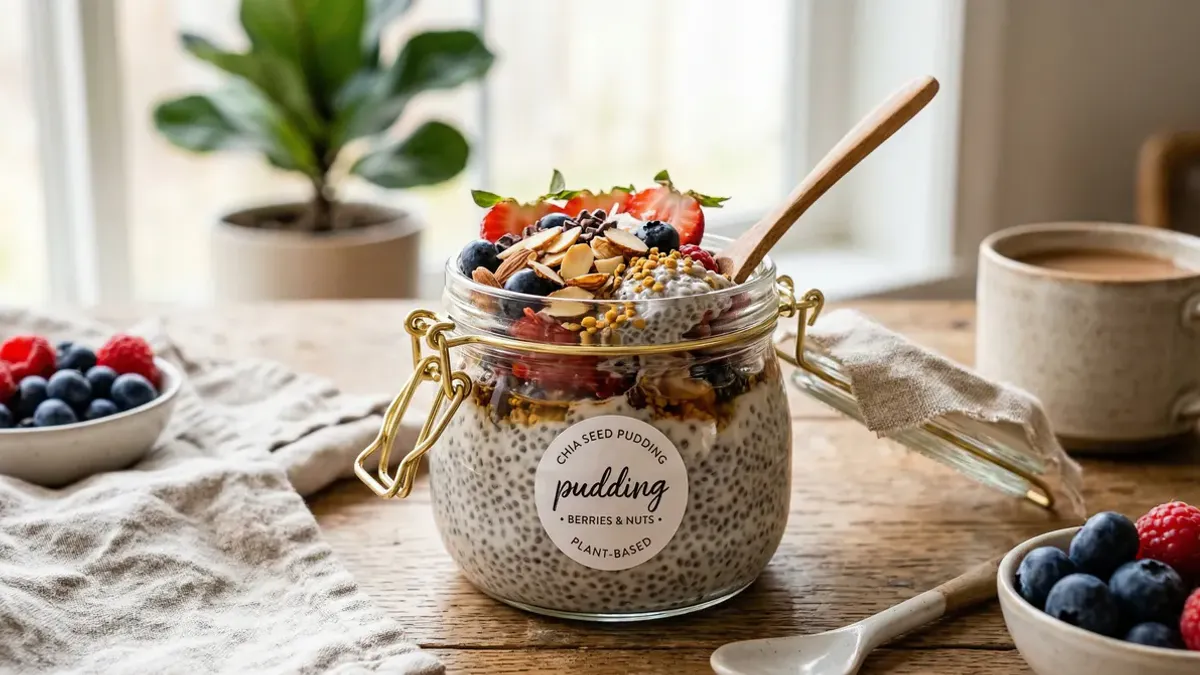
Chia pudding: Mix 30–40 g chia seeds with 250 ml almond milk, coconut milk or regular milk. Add a pinch of salt and optionally some honey or vanilla extract. Leave overnight in the refrigerator. Top with fruit and nuts before serving.
Smoothies: Add a tablespoon of chia seeds to your smoothie. They add texture and help meet your daily fibre needs.
Overnight oats: Mix with oats and milk and refrigerate overnight. Combining the fibre from both creates an extra filling breakfast.
Yoghurt or cottage cheese: Sprinkle chia seeds on top and leave for 5–10 minutes for the gel to form.
Baking: Chia seeds can replace eggs in baking: 1 tablespoon of chia seeds + 3 tablespoons of water = 1 egg (wait 5 minutes for the gel to form).
How much chia per day?
For most adults, 20–30 g per day (2–3 tablespoons) is a good and safe amount. More than 50 g per day may cause digestive discomfort due to the high fibre content.
Always start with a small amount if chia seeds are new to you. Drink plenty of water to allow the fibres to work effectively.
Tracking your intake
Chia seeds are not calorie-free: 30 g provides 137 kcal. If you are mindful about calories, it is worth tracking how much you use. The fibre and protein partially offset this through the satiety effect, but awareness remains important.
Want to know how many calories and nutrients you consume each day? With Moveno you take a photo of your food and instantly see all the nutritional values — including your chia pudding.
Sources
- Ullah, R. et al. (2016). "Nutritional and therapeutic perspectives of Chia (Salvia hispanica L.): a review." Journal of Food Science and Technology, 53(4), 1750–1758. https://doi.org/10.1007/s13197-015-1967-0
- Vuksan, V. et al. (2010). "Supplementation of conventional therapy with the novel grain Salba (Salvia hispanica L.) improves major and emerging cardiovascular risk factors." Diabetes Care, 30(11), 2804–2810. https://doi.org/10.2337/dc07-1144
- Muñoz, L. A. et al. (2012). "Chia Seed (Salvia hispanica): An Ancient Grain and a New Functional Food." Food Reviews International, 29(4), 394–408. https://doi.org/10.1080/87559129.2013.818014
- RIVM (2021). Nederlandse Voedingsmiddelentabel (NEVO). https://www.rivm.nl/nevo