
What you eat for breakfast shapes how you feel, perform and eat for the rest of the day. A high-protein breakfast keeps you fuller for longer, supports muscle maintenance and helps stabilise blood sugar — yet most people still reach for cereal or toast. Here is how to do better.
Key takeaways
A high-protein breakfast delivers at least 20–30 grams of protein and may help reduce hunger throughout the morning, improve concentration before lunch and support body composition goals. Read on for 10 practical recipes you can start making this week.
Why protein at breakfast?
Of the three macronutrients — protein, carbohydrates and fat — protein is the most satiating. Research published via ScienceDaily (2024) found that a protein-rich breakfast significantly reduces hunger and improves cognitive concentration compared with a high-carbohydrate morning meal.
Protein stimulates the release of satiety hormones GLP-1 and PYY, which signal fullness to the brain. This effect lasts longer after a high-protein meal than after a carbohydrate-heavy one. A 2025 study in the European Journal of Nutrition confirmed that both plant-based and animal-based high-protein breakfasts produced stronger satiety hormone responses than a low-protein, high-carbohydrate control — in both younger and older adults.
Protein is also essential for muscle maintenance. Your body breaks down and rebuilds muscle tissue every day; distributing adequate protein across meals — including breakfast — may help optimise this process.
How much protein do you need at breakfast?
Nutrition researchers often cite 20–30 grams of protein per meal as a practical target for maximising muscle protein synthesis. For breakfast, that means thinking beyond a single egg or a small pot of yoghurt.
General guidelines recommend 0.8 grams of protein per kilogram of body weight per day for adults, but active individuals may need 1.2–1.6 grams or more. Breakfast is an excellent opportunity to cover a significant portion of that daily target.
10 high-protein breakfast recipes
1. Greek yoghurt with granola and berries — ±25 g protein
One of the quickest high-protein breakfasts: 200 g of full-fat Greek yoghurt topped with a handful of granola and fresh or frozen berries. Rich in calcium, probiotics and protein — ready in under two minutes.
2. Shakshuka — ±22 g protein
Two eggs poached in a sauce of tomatoes, peppers and spices. This Middle Eastern dish is savoury, nutrient-dense and deeply satisfying. Make the tomato base in advance and simply warm it on the hob each morning.
3. Protein pancakes — ±28 g protein
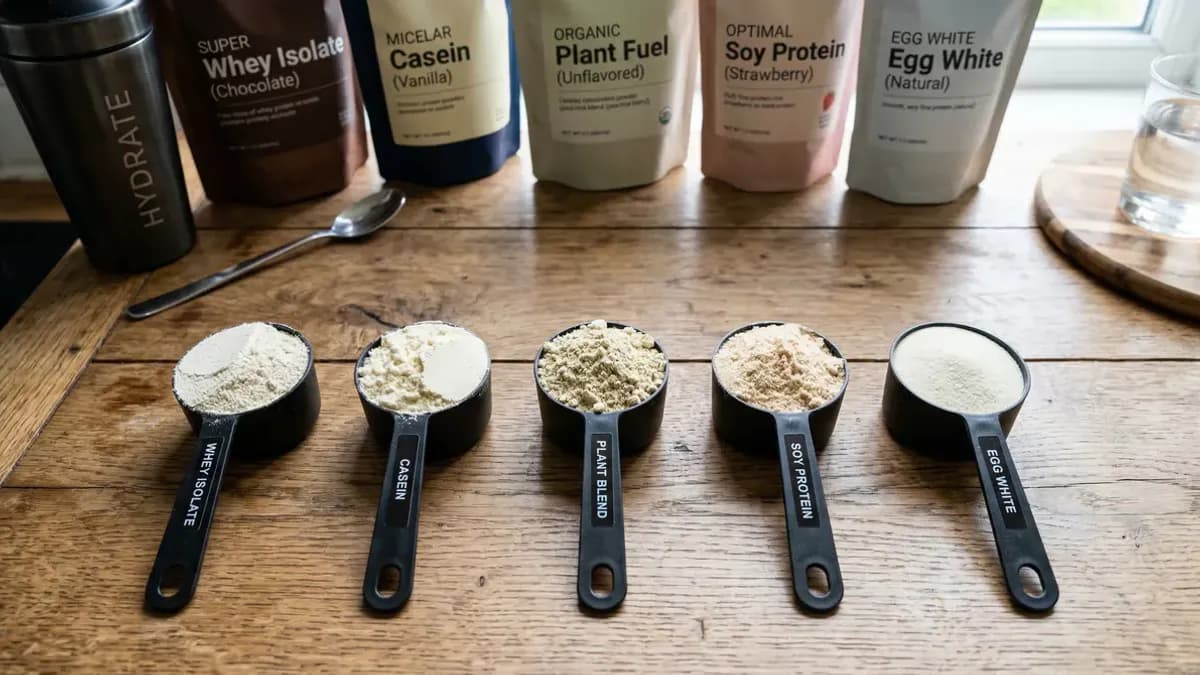
Blend one scoop of whey or plant-based protein powder with two eggs, one ripe banana and a pinch of cinnamon. Cook small pancakes in a non-stick pan. No flour, but plenty of protein — and naturally sweet.
4. Avocado egg toast — ±18 g protein
Toast two slices of wholegrain bread, spread with mashed avocado and top with two fried or poached eggs. Season with black pepper, salt and chilli flakes. Simple, balanced and genuinely filling.
5. Overnight protein oats — ±30 g protein
The night before, combine 60 g of oats with 200 ml semi-skimmed milk, one scoop of protein powder and a tablespoon of chia seeds. Refrigerate overnight. In the morning you have a ready-to-eat, high-protein breakfast you can take on the go.
6. Spinach and feta omelette — ±24 g protein
Whisk three eggs and cook with a handful of fresh spinach and 30 g of feta. Season to taste. An omelette takes five minutes and delivers an excellent ratio of protein to healthy fats.
7. Quark bowl with nuts and fruit — ±20 g protein
200 g of low-fat quark with a tablespoon of almond butter, a handful of mixed nuts and some fresh or dried fruit. Quark is rich in casein protein, which digests slowly — ideal for sustained satiety through the morning.
8. Egg muffins (meal prep) — ±15 g protein per 2 muffins
Whisk six eggs with diced vegetables (bell pepper, courgette, onion) and a little cheese. Pour into a muffin tin and bake for 20 minutes at 180°C. Make a full batch on Sunday and enjoy a grab-and-go high-protein breakfast all week.
9. Protein smoothie bowl — ±25 g protein
Blend frozen banana, frozen mango, one scoop of protein powder and a splash of plant-based milk until thick. Pour into a bowl and top with granola, chia seeds and berries. Colourful, nutrient-dense and easy to customise.
10. Cottage cheese pancakes — ±22 g protein
Combine 100 g of cottage cheese with two eggs, 30 g of oats and a pinch of salt. Cook small pancakes and serve with fresh fruit or a drizzle of honey. Cottage cheese gives a light texture and an impressive protein content per serving.
Practical tips
Prepare the night before. Overnight oats, egg muffins and smoothie bowl bases can all be batch-prepared, removing any morning decision fatigue.
Combine protein sources. Pairing dairy with eggs, or quark with nuts, provides a broader amino acid profile than relying on a single source.
Do not fear full-fat options. Low-fat versions often contain added sugar to compensate for lost flavour. Full-fat Greek yoghurt and full-fat quark are frequently the better nutritional choice.
Think about the whole day. A high-protein breakfast works best as part of a varied, balanced diet. Protein is a strong foundation — not a magic fix on its own.
Apps like Moveno make it easy to track your protein intake at breakfast. Simply photograph your meal and see the nutritional values instantly — useful when you want to know whether you are hitting your daily target.
Frequently asked questions
Is a high-protein breakfast good for weight loss? Protein may help with weight management by suppressing hunger and slightly increasing energy expenditure. A high-protein breakfast can make it easier to eat less later in the day without feeling deprived.
Can I eat a high-protein breakfast on a plant-based diet? Absolutely. Tofu scramble, soy milk, edamame, plant-based protein powder and legumes are all excellent plant-based protein sources that work well in breakfast recipes.
How many grams of protein is enough for breakfast? Aim for 20–30 grams as a practical guideline. This is sufficient to stimulate muscle protein synthesis and activate satiety hormones effectively.