Key takeaways
- Zinc is involved in more than 300 enzymatic processes and is essential for immune function, wound healing and the sense of taste and smell
- Vegetarians and vegans may need up to 50% more zinc due to reduced bioavailability from plant foods
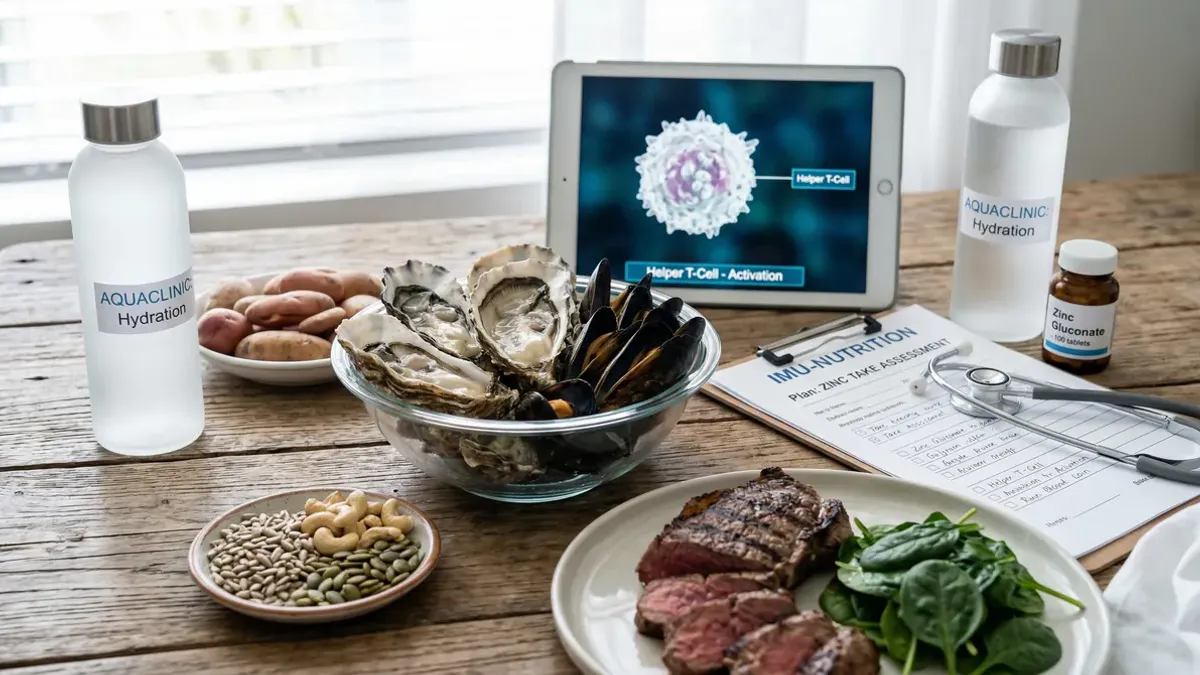
- Oysters are by far the richest dietary source; pumpkin seeds and red meat are strong plant-based and omnivore alternatives
- Supplementation may be warranted in people with consistently low intake, but excess zinc can impair copper absorption
Why does your body need zinc?
Zinc has wide-ranging functions in the body:
- Immune system — zinc activates T-cells and supports antibody production
- Wound healing — zinc promotes cell growth and tissue repair
- Protein synthesis and DNA replication — essential for cell division
- Taste and smell — zinc is required for the function of taste and smell receptors
- Reproductive health — zinc plays a role in testosterone production and sperm quality
A deficiency disrupts all of these processes, often with effects that are easy to misattribute to other causes.
Causes of zinc deficiency
Insufficient dietary intake Zinc from plant foods is less bioavailable because phytic acid binds zinc in the intestines. As a result, vegetarians and vegans may need up to 50% more zinc than omnivores to absorb the same amount.
Increased requirements Intense physical training, pregnancy and breastfeeding all increase zinc requirements.
Impaired absorption Conditions such as Crohn's disease, coeliac disease and irritable bowel syndrome can reduce intestinal zinc absorption.
Medication Long-term use of proton pump inhibitors, diuretics and certain antibiotics can lower zinc status.
Symptoms of zinc deficiency
Symptoms typically develop gradually:
- Frequent colds and infections — a weakened immune system is often the earliest sign
- Poor wound healing — even minor cuts take longer to close
- Hair loss — diffuse hair thinning, similar to other nutrient deficiencies
- Loss of taste and smell — a well-known symptom, also seen after viral infections
- Dry, flaking skin — particularly around the mouth and nose
- Fatigue and difficulty concentrating
- Growth issues in children — zinc is critical for normal development
For more on immune-supporting nutrients, see our article on vitamin C.
Recommended daily intake
According to EFSA guidelines:
| Group | Daily recommendation |
|---|---|
| Women (18+) | 8 mg |
| Men (18+) | 11 mg |
| Pregnant women | 11 mg |
| Breastfeeding women | 12 mg |
Best dietary sources of zinc
| Food | Zinc per 100 g |
|---|---|
| Oysters | 78 mg |
| Lean beef | 8.7 mg |
| Pumpkin seeds | 7.8 mg |
| Beef liver | 5.5 mg |
| Cashew nuts | 5.4 mg |
| Chickpeas (cooked) | 1.5 mg |
| Lentils (cooked) | 1.3 mg |
| Wholegrain wheat | 2.9 mg |
| Eggs | 1.3 mg |
Oysters are the richest source by a considerable margin — a single oyster can contain 5 to 10 mg of zinc depending on its size. For those who do not eat oysters, pumpkin seeds and red meat are excellent alternatives.
Zinc and the immune system
Zinc has been studied for its role in infection resistance for decades. A meta-analysis published in JAMA (2021) found that zinc supplementation significantly reduced the risk of respiratory infections in older adults. A Cochrane review (2015) showed that zinc acetate lozenges taken within 24 hours of cold onset could reduce duration by approximately 33%.
That said, excess zinc intake is harmful: chronically high doses suppress copper absorption and can paradoxically impair immune function.
Should you take a zinc supplement?
For most people eating a varied diet, supplementation is unnecessary. It may be worth considering for:
- Vegetarians and vegans with consistently low intake
- Pregnant and breastfeeding women
- Older adults with reduced appetite
- People with inflammatory bowel conditions
Common supplement forms include zinc citrate and zinc gluconate. EFSA has set a tolerable upper intake level of 25 mg per day for adults. Always consult a doctor before supplementing.
Tracking your zinc intake
With Moveno, you photograph your meal and instantly see the nutritional breakdown, including trace minerals. Also learn how to track calories as a beginner and browse our guide to protein-rich foods for zinc-rich food sources.
Conclusion
Zinc deficiency can start subtly — with frequent colds, slow wound healing or hair loss — but has a broad impact on health. Choosing zinc-rich foods such as oysters, pumpkin seeds and red meat helps maintain adequate levels. When dietary intake is persistently low, supplementation can be considered, but always in moderation.
Sources: Dutch Health Council (2018); EFSA (2014); Hemilä H. & Chalker E., Cochrane Database (2015); Hess SY. et al., Journal of Nutrition (2009)