Sometimes you feel low, irritable or just a bit flat without an obvious reason. Diet is rarely the only factor, but the connection between what you eat and how you feel is scientifically well-established. Serotonin — the neurotransmitter that contributes to feelings of wellbeing and calm — can be influenced in part through your daily food choices.
Key takeaways
- Around 90 to 95 percent of the serotonin in your body is produced in the gut, not the brain.
- Your body makes serotonin from tryptophan, an essential amino acid you must obtain through food.
- Tryptophan-rich foods like turkey, eggs, cheese, nuts and salmon may support serotonin production.
- Carbohydrates play a supporting role: they increase tryptophan uptake into the brain.
- Food is not a substitute for professional help with mood disorders, but can contribute to daily wellbeing.
How does serotonin work?
Serotonin is a neurotransmitter that plays a role in mood, sleep, appetite and gut motility. Research confirms that 90 to 95 percent of the body's serotonin is produced by specialised cells in the gut lining — enterochromaffin cells.
This means gut health and serotonin production are closely intertwined. A healthy gut microbiome may help regulate serotonin levels — which explains the growing interest in the gut-brain axis.
What does your body need to produce serotonin?
Your body makes serotonin from tryptophan through a two-step process: tryptophan is first converted to 5-hydroxytryptophan (5-HTP), then the enzyme DOPA-decarboxylase produces serotonin. Tryptophan is essential — your body cannot make it, so you must get it through food.
Co-factors are also required: vitamin B6, vitamin D, magnesium and iron all act as enzyme supporters in the serotonin synthesis process.
Which foods may support serotonin production?
1. Tryptophan-rich foods
The best sources of tryptophan per 100g:
- Hard cheese. Parmesan and aged Gouda contain 300 to 500 mg of tryptophan per 100g.
- Turkey and chicken. Lean poultry provides 250 to 350 mg of tryptophan.
- Salmon and tuna. Oily fish combines tryptophan with omega-3, which supports brain function.
- Eggs. One whole egg delivers around 90 mg of tryptophan, with the yolk contributing vitamin B6 — a co-factor for serotonin synthesis.
- Nuts and seeds. Pumpkin seeds and cashews are among the richest plant-based sources. A handful of pumpkin seeds (30g) provides around 170 mg of tryptophan.
- Pulses. Lentils, chickpeas and beans contain 180 to 240 mg of tryptophan per 100g dry weight.
2. Carbohydrates as a transport mechanism
Tryptophan competes with other large neutral amino acids (LNAAs) to cross the blood-brain barrier. When you eat carbohydrates, insulin stimulates the uptake of those competing amino acids into muscles — leaving tryptophan with less competition to reach the brain.
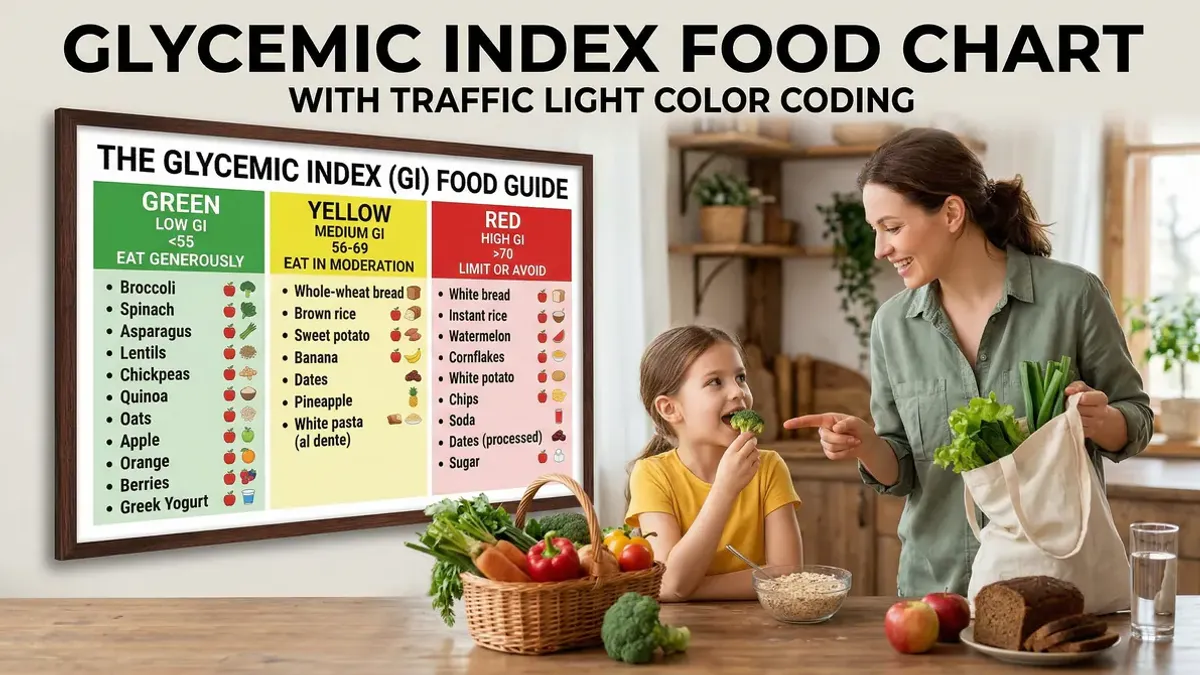
This explains why people sometimes feel better after a carbohydrate-containing meal. Opt for complex carbohydrates — oats, wholegrain bread, brown rice or sweet potato — for a more gradual insulin response than refined sugar provides.
3. Fermented foods for your gut microbiome
Since 90 to 95 percent of serotonin is produced in the gut, a healthy gut microbiome is indirectly relevant to your serotonin levels. Fermented foods like yoghurt, kefir, sauerkraut and kimchi contain probiotic bacteria that may support gut flora. Read more about probiotics for gut health and how prebiotics feed your gut bacteria. Vitamin B6 is also an essential co-factor in the serotonin pathway — read more about vitamin B6 and its functions.
4. Dark chocolate
Cacao contains small amounts of tryptophan and also stimulates the release of endorphins and phenylethylamine — compounds that contribute to a sense of wellbeing. Choose dark chocolate with at least 70 percent cacao content for the most bioactive compounds.
5. Olive oil and omega-3 for brain function
Healthy fats — particularly omega-3 fatty acids and extra virgin olive oil — are essential for the structure and function of brain cells. Diets low in omega-3 are associated in observational studies with a higher risk of depressive symptoms. Read more about omega-3 fatty acids and their benefits.
What can impair serotonin production?
- Nutrient-poor diet — a dietary pattern low in B vitamins, magnesium and iron can reduce enzyme activity in the serotonin synthesis pathway.
- Blood sugar spikes and crashes — rapid fluctuations in blood glucose can destabilise mood and energy levels.
- Alcohol — alcohol may reduce inhibitions short-term but disrupts neurotransmitter balance over time.
- Gut dysbiosis — a disrupted gut microbiome can negatively affect the enterochromaffin cells that produce serotonin.
Food versus professional support
To be clear: food is not a treatment for depression or serious mood disorders. If you have been feeling persistently low or anxious, seek professional support from your GP or a mental health professional.
Food can contribute to daily wellbeing and energy levels — as part of a broader lifestyle that includes adequate sleep, physical activity and social connection.
Calorie tracking and mood
Stable blood sugar — important for your serotonin balance — starts with understanding what you eat. Our beginner's guide to calorie tracking shows you how to easily map your eating habits.
Start with tryptophan on your plate
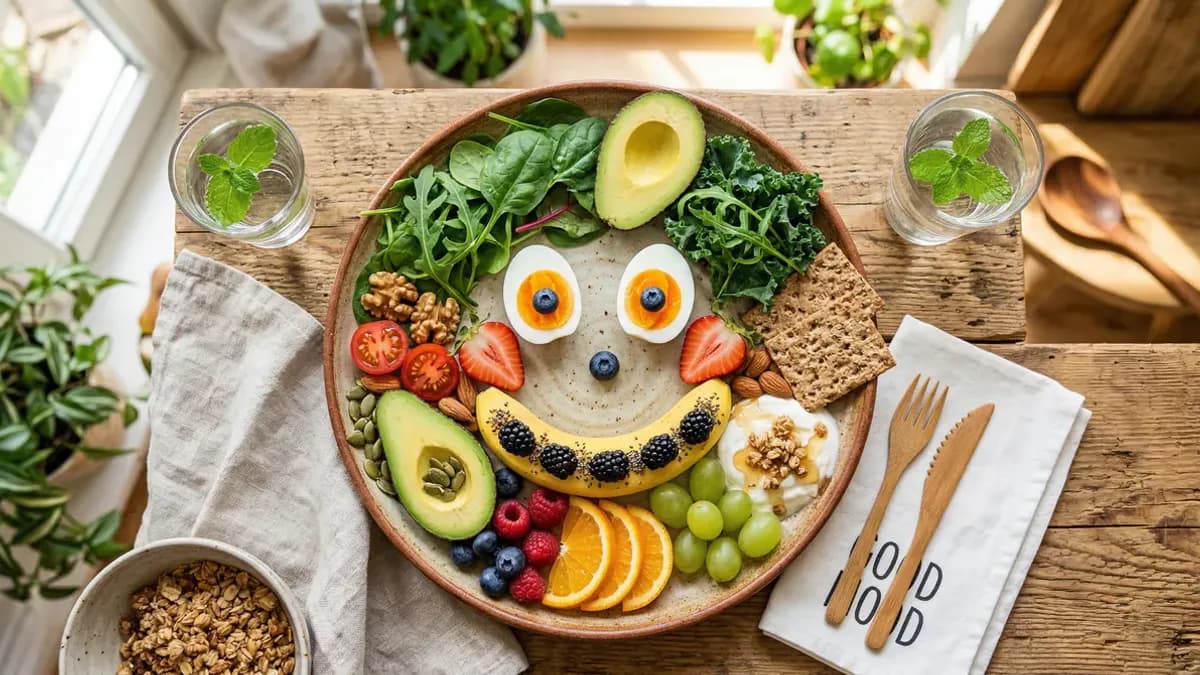
Small changes can make a difference: add a handful of pumpkin seeds to your yoghurt, choose salmon instead of processed meat, or combine a protein-rich meal with complex carbohydrates for more stable energy through the day.
Use Moveno to track your daily protein and micronutrient intake — so you know whether you are getting enough tryptophan and B vitamins.
Sources
- PMC — Serotonergic mechanisms regulating the GI tract — confirms that 90-95% of serotonin is produced in the gut
- PMC — Tryptophan metabolism and gut microbiota — link between gut microbiome and serotonin metabolism
- ScienceDirect — Nutritional influences on the serotonergic system — nutrients as co-factors in serotonin synthesis
- Voedingscentrum — Protein and essential amino acids — essential amino acids and daily protein requirements