Rice is one of the most consumed staple foods worldwide. Whether you are making a stir-fry, serving a curry, or plating a simple side of steamed rice — it shows up regularly on the table. But what is actually in it? And does the choice between white, brown, or whole grain rice really make a difference to your health?
Key takeaways
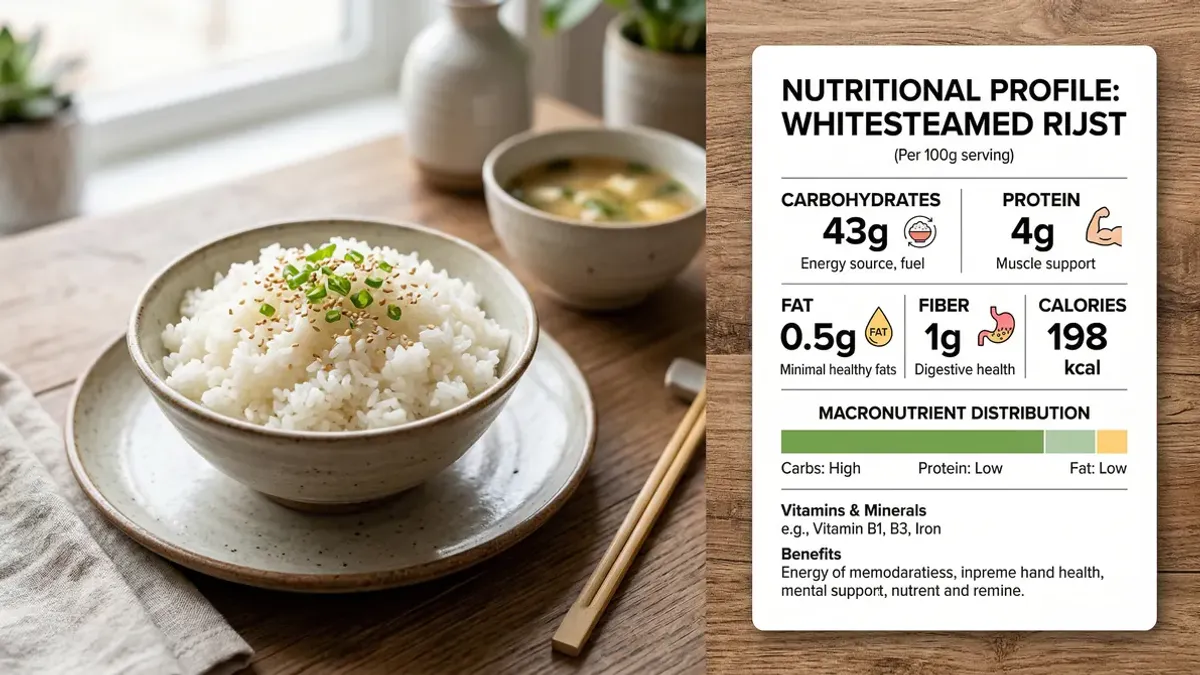
- White rice (cooked). Contains roughly 130–145 kcal per 100g, 28g carbohydrates and 2.7g protein
- Brown rice (cooked). Similar calories but over three times more fiber (1.8g vs. 0.4g per 100g)
- Dry vs. cooked is a crucial distinction. Dry rice contains about 350 kcal per 100g; cooking absorbs water and significantly lowers the calorie density
- Portion size is the biggest variable. A typical serving (150–200g cooked) provides 195–290 kcal
- What you add determines the total. Plain rice is relatively low in calories; sauces, oil, and meat largely determine the total meal calories
How many calories are in rice?
Based on the Dutch Food Composition Database (NEVO), here are the calories per rice type, cooked:
| Rice type | Per 100g cooked | Per 150g serving |
|---|---|---|
| White rice | ~130–145 kcal | ~195–218 kcal |
| Brown rice | ~132 kcal | ~198 kcal |
| Parboiled rice | ~140 kcal | ~210 kcal |
| Dry white rice | ~350 kcal | — |
The calorie difference between white and brown rice is smaller than most people expect — only 10–15 kcal per 100g cooked. The real distinction lies in fiber, vitamins, and minerals.
Complete nutritional profile: white vs. brown rice
Per 100g cooked, based on NEVO data:
| Nutrient | White rice | Brown rice |
|---|---|---|
| Energy | ~130–145 kcal | ~132 kcal |
| Carbohydrates | 28g | 26g |
| Of which fiber | 0.4g | 1.8g |
| Protein | 2.7g | 2.6g |
| Fat | 0.3g | 0.9g |
| Sodium | ~1 mg | ~4 mg |
Brown rice contains more fiber, magnesium, phosphorus, and B vitamins than white rice. White rice cooks faster and has a milder flavor. Both fit well into a varied eating pattern. The higher fiber content in brown rice generally leads to a more sustained feeling of fullness.
Dry vs. cooked: the most common mistake
A frequent mistake when tracking your food intake is mixing up dry and cooked rice values. Dry white rice contains about 350 kcal per 100g. During cooking, rice absorbs substantial water, which significantly lowers the calorie density per 100g.
The rule of thumb: 100g of dry rice yields 250–300g of cooked rice. When using an app or food label, always check whether the stated value refers to dry or cooked rice. The difference is more than a factor of two.
Rice compared to other carbohydrate sources
How does rice stack up against other popular carbohydrate sources?
| Food (100g, prepared) | Calories | Fiber | Protein |
|---|---|---|---|
| White rice (cooked) | ~145 kcal | 0.4g | 2.7g |
| Pasta (cooked) | ~142 kcal | 1.3g | 5g |
| Boiled potato | ~77 kcal | 1.5g | 2g |
| White bread | ~249 kcal | 2.4g | 8g |
| Whole wheat bread | ~234 kcal | 6.6g | 9g |
Cooked rice and pasta have nearly identical calorie counts. Potatoes contain significantly fewer calories per 100g cooked. Bread is more calorie-dense per 100g but you typically eat fewer grams per meal. See also the nutritional value of potatoes for a direct comparison.
Rice and carbohydrates: what you need to know
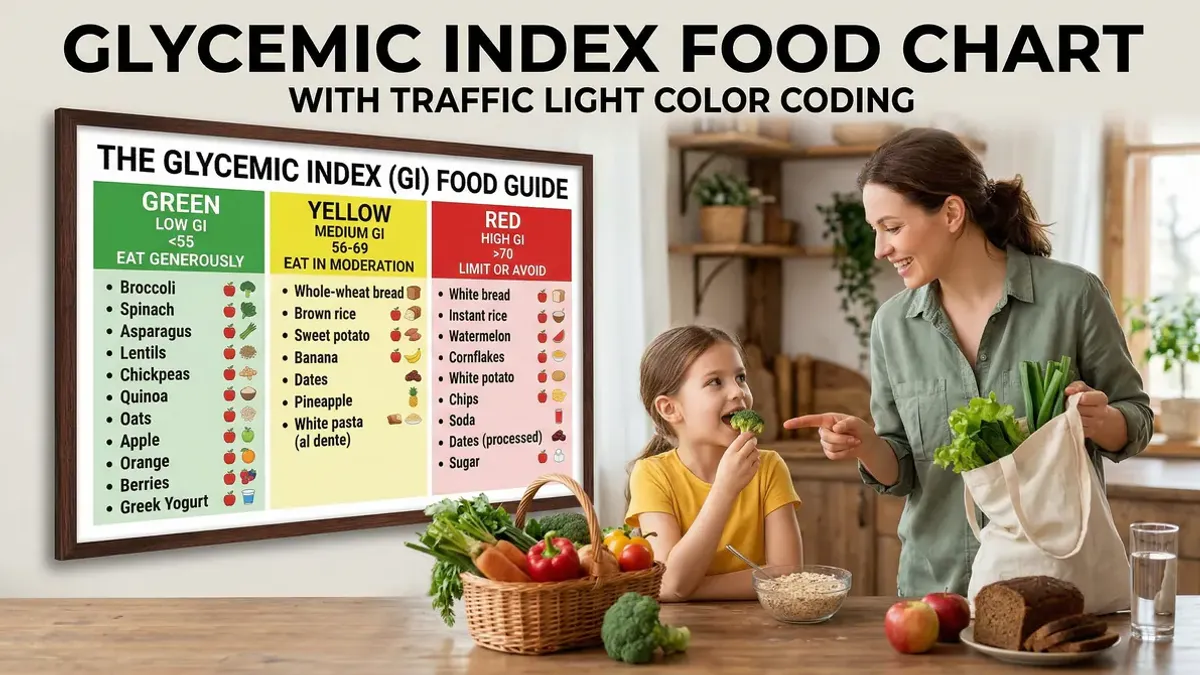
Rice consists primarily of carbohydrates in the form of starch. The glycemic index of white rice is relatively high (GI ~70), meaning blood sugar rises faster compared to brown rice (GI ~55–60). For people with diabetes or insulin resistance, this distinction may be relevant.
Resistant starch is an additional benefit worth noting: when cooked rice is cooled and reheated, the amount of resistant starch increases. This serves as food for gut bacteria and may support a healthy microbiome.
Practical tips for using rice in your eating pattern
Weigh your portions
A kitchen scale gives far more certainty than "one scoop." Most people serve themselves 50–100% more rice than they estimate. One serving spoon is about 55–60g cooked — not the generous heap you might picture.
Choose brown rice for more fiber
The calorie difference is negligible, but the extra fiber may help you feel satisfied longer — particularly useful when eating at a calorie deficit.
Limit oil and rich sauces
One tablespoon of oil adds 90 kcal to your rice dish. Soy sauce is lower in calories but high in sodium. With fried rice dishes, calories accumulate quickly through the cooking process.
Add vegetables
Stir-fry vegetables into your rice for more volume without many extra calories. Bell peppers, zucchini, peas, and broccoli work particularly well and raise the nutritional value of your meal.
Frequently asked questions
How many calories are in a plate of rice? An average plate of rice (200g cooked) contains about 260–290 kcal for white rice, without sauce or toppings.
Is rice good or bad for weight loss? Rice itself does not cause weight gain. What matters is your total daily calorie intake. Cooked rice is relatively low in calories per 100g and can fit well into a weight loss plan.
What is healthier: rice or potatoes? Both are excellent carbohydrate sources. Potatoes contain fewer calories per 100g cooked (~77 kcal vs. ~145 kcal for rice) and more vitamin C and potassium. Brown rice provides more fiber than a boiled potato. Variety is the key.
How many grams of rice is one serving? A standard portion is 75g dry rice per person, which yields approximately 200–225g cooked and 280–325 kcal.
Tracking nutrition does not have to be complicated
Rice is a versatile and nutritious staple that fits well into a healthy eating pattern. Whether you choose white, brown, or whole grain — portion size and your overall dietary pattern matter more than the specific rice variety. Pair rice with protein-rich foods for a balanced meal, and learn how to choose healthy carbohydrates.
Want to effortlessly track what you eat? With Moveno, you take a photo of your meal and instantly see all nutritional values, including that rice with curry or stir-fry. No manual entry, no looking up tables. Try calorie tracking the easy way.
Sources
- Dutch Food Composition Database (NEVO): nevo-online.rivm.nl
- Voedingscentrum, Rice: voedingscentrum.nl/encyclopedie/rijst
- Harvard T.H. Chan School of Public Health – The Nutrition Source, Rice: hsph.harvard.edu/nutritionsource/food-features/rice