Is breakfast really necessary?
There is considerable debate about whether breakfast is truly the most important meal of the day. The scientific evidence presents a nuanced picture: people who eat breakfast regularly tend to consume more fibre, calcium, zinc, iron and vitamins A, B2 and C on average. Research also indicates that skipping breakfast may be associated with an increased risk of cardiovascular disease in some people.
The conclusion? Breakfast is not mandatory for everyone, but if you do eat it, the composition is crucial. A well-constructed breakfast sets the tone for your entire day's eating pattern.
What makes a breakfast healthy?
A good breakfast contains three macronutrients in balance:
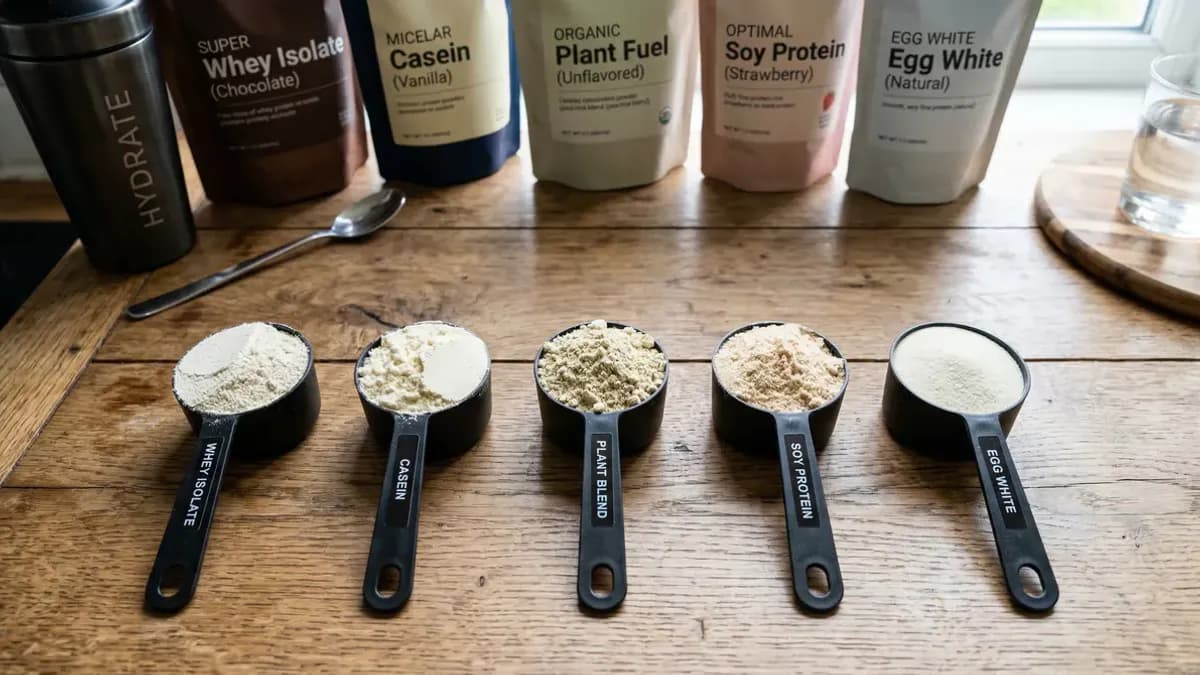
- Protein (15–25 g): promotes satiety and preserves muscle mass. Sources: eggs, Greek yoghurt, quark, nuts, seeds.
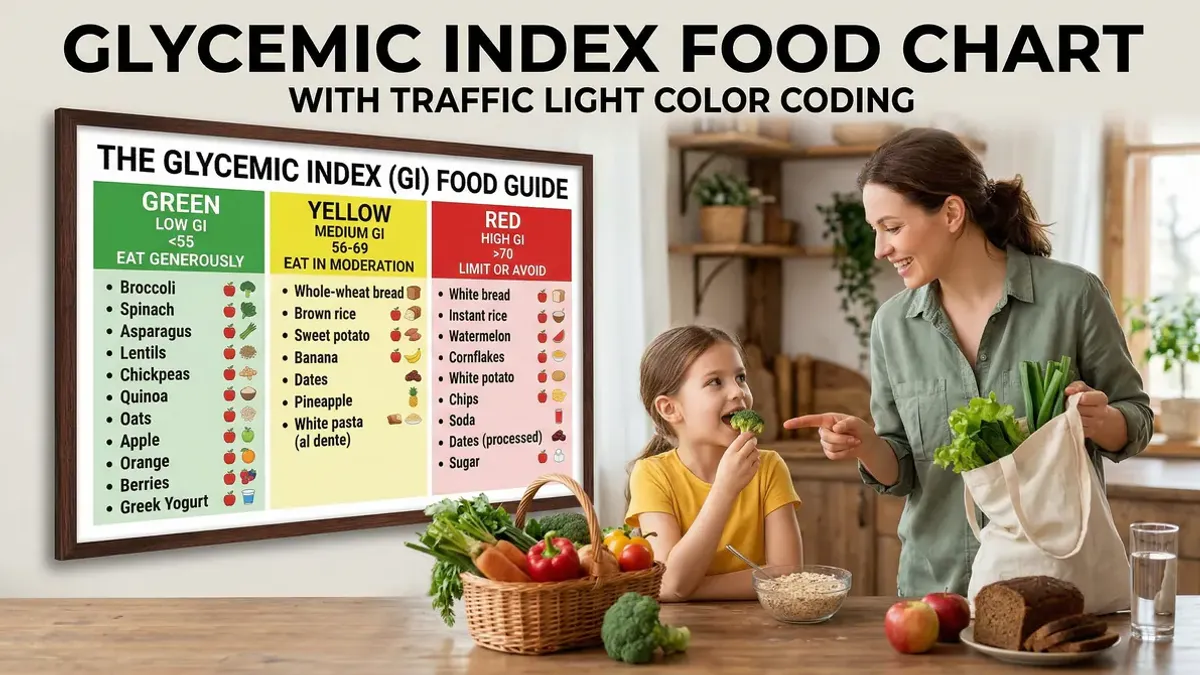
- Complex carbohydrates: provide sustained energy without a blood sugar spike. Sources: oats, wholegrain bread, wholegrain crackers.
- Healthy fats: support the absorption of fat-soluble vitamins. Sources: avocado, nuts, seeds, olive oil.
Add adequate fibre (via vegetables, fruit and oats) and your breakfast contributes to stable blood sugar levels for the whole morning.
What to avoid: sugary cereals, white bread with jam, fruit juice — all high in sugar and low in fibre, causing a rapid energy dip.
12 healthy breakfast recipes
Warm breakfasts
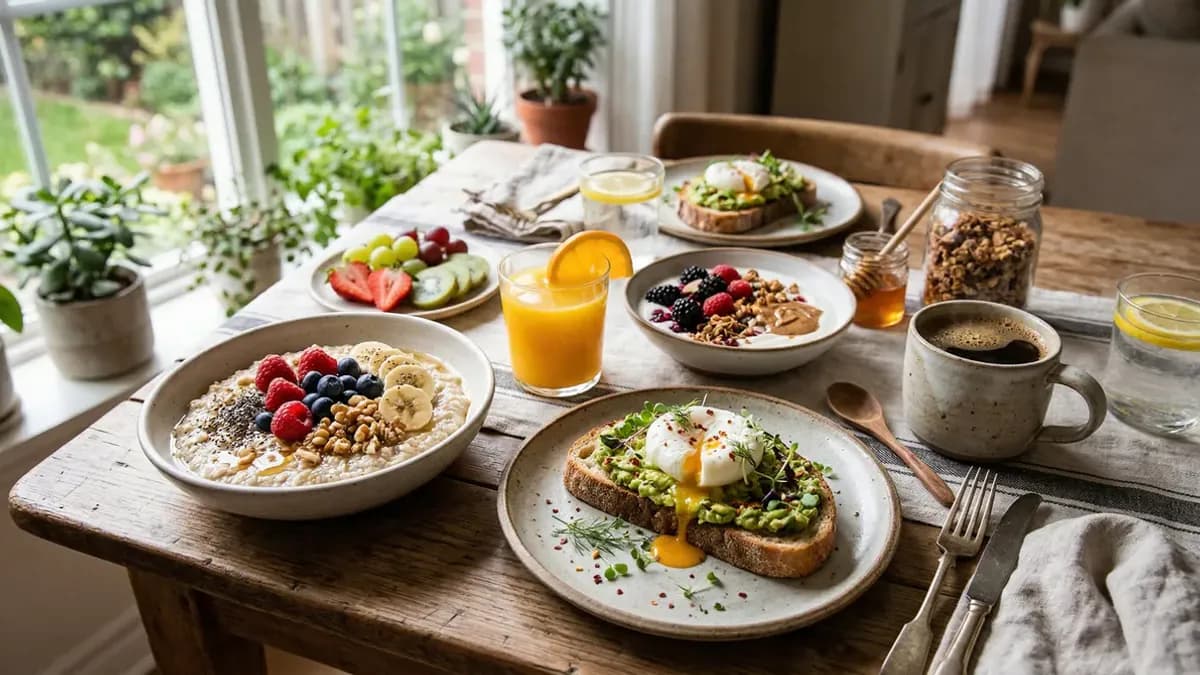
1. Overnight oats with berries and chia seeds Preparation time: 5 minutes (the evening before) Nutrition: approx 420 kcal | 14 g protein | 58 g carbs | 14 g fat | 9 g fibre
Mix 60 g oats with 180 ml plant-based milk, 1 tbsp chia seeds and 1 tsp honey. Refrigerate overnight. Serve the next morning with a handful of berries and 1 tbsp almond butter.
2. Warm porridge with cinnamon and banana Preparation time: 10 minutes Nutrition: approx 380 kcal | 11 g protein | 65 g carbs | 8 g fat | 7 g fibre
Cook 60 g oats with 250 ml milk (dairy or plant-based). Add half a banana, 1 tsp cinnamon and 1 tbsp walnut butter. Top with a few unsalted walnuts.
3. Shakshuka with wholegrain pitta bread Preparation time: 20 minutes Nutrition: approx 450 kcal | 22 g protein | 40 g carbs | 18 g fat | 6 g fibre
Fry onion, pepper and garlic. Add chopped tomatoes and cumin. Crack 3 eggs into the sauce and poach on low heat. Serve with a small wholegrain pitta.
4. Scrambled eggs with spinach and wholegrain toast Preparation time: 10 minutes Nutrition: approx 400 kcal | 25 g protein | 28 g carbs | 18 g fat | 4 g fibre
Whisk 3 eggs with a splash of milk. Cook in a pan with olive oil over low heat, stirring constantly. Fold in a handful of fresh spinach at the end. Serve on 2 slices of wholegrain toast.
Cold breakfasts and smoothie bowls
5. Smoothie bowl with spinach, banana and oats Preparation time: 5 minutes Nutrition: approx 390 kcal | 12 g protein | 60 g carbs | 10 g fat | 8 g fibre
Blend a handful of spinach, a frozen banana, 100 ml almond milk and 40 g oats to a thick smoothie. Top with 1 tbsp seeds, fresh strawberries and 1 tsp honey.
6. Greek yoghurt with granola and fresh fruit Preparation time: 5 minutes Nutrition: approx 360 kcal | 18 g protein | 48 g carbs | 10 g fat | 5 g fibre
Spoon 200 g Greek yoghurt (2% fat) into a bowl. Add 40 g granola (choose a low-sugar variety) and a handful of fresh fruit. Finish with 1 tsp honey or maple syrup.
7. Quark with nuts, apple and cinnamon Preparation time: 5 minutes Nutrition: approx 340 kcal | 20 g protein | 32 g carbs | 12 g fat | 4 g fibre
Spoon 200 g low-fat quark into a bowl. Add a grated or sliced apple, 1 tbsp mixed nuts and 1 tsp cinnamon. Optional: a drizzle of honey.
8. Acai bowl with berries and coconut Preparation time: 10 minutes Nutrition: approx 410 kcal | 9 g protein | 55 g carbs | 16 g fat | 9 g fibre
Blend a frozen acai packet (100 g) with a frozen banana and a splash of almond milk. Top with berries, coconut flakes, chia seeds and 1 tbsp nut butter.
Savoury breakfasts
9. Wholegrain toast with avocado, egg and sprouts Preparation time: 10 minutes Nutrition: approx 430 kcal | 20 g protein | 34 g carbs | 22 g fat | 8 g fibre
Toast 2 slices of wholegrain sourdough. Mash half an avocado with lemon juice, salt and chilli flakes. Top the toast with avocado and a poached or fried egg. Garnish with sprouts.
10. Wholegrain bread with hummus, cucumber and smoked salmon Preparation time: 5 minutes Nutrition: approx 390 kcal | 24 g protein | 38 g carbs | 14 g fat | 6 g fibre
Spread 2 slices of wholegrain bread with a thick layer of hummus. Top with smoked salmon, cucumber and radish. Sprinkle with sesame seeds and a pinch of dill.
11. Omelette with mushrooms, cheese and tomato Preparation time: 12 minutes Nutrition: approx 370 kcal | 26 g protein | 8 g carbs | 26 g fat | 2 g fibre
Whisk 3 eggs. Fry mushrooms and cherry tomatoes in olive oil. Pour the eggs over and fold the omelette in half. Top with 25 g grated cheese. Serve with a small salad.
12. Wholegrain wraps with egg, feta and spinach Preparation time: 15 minutes Nutrition: approx 440 kcal | 24 g protein | 44 g carbs | 18 g fat | 5 g fibre
Whisk 2 eggs with a splash of milk. Scramble in a pan. Fill 2 small wholegrain wraps with the scrambled egg, a handful of spinach, crumbled feta and a few sun-dried tomatoes.
Tips for a healthier breakfast
- Prepare the evening before: overnight oats, yoghurt pots or prepared toast take 5 minutes and save considerable stress in the morning
- Add protein to every breakfast: without protein you get hungry faster — one egg, a spoonful of quark or a handful of nuts makes a real difference
- Choose wholegrains over white: wholegrain bread, oats and muesli provide lasting energy
- Avoid sugary cereals: some contain more sugar than a biscuit — always read the nutrition label
- Fruit as a topping, not the base: fruit contains fructose and is healthy, but a breakfast of fruit alone lacks the protein and fat needed for sustained satiety
How many calories should breakfast contain?
As a rule of thumb: 20–25% of your daily calorie needs. For a 2,000 kcal daily target, that is 400–500 kcal. Losing weight? A protein-rich breakfast of 350–450 kcal may help you eat less for the rest of the day.
Tracking your breakfast
Want to see what your breakfast contributes to your daily nutritional intake? With Moveno you photograph your breakfast and instantly see the calories, protein, carbohydrates and fats — without having to type anything in manually.
Key takeaways
A healthy breakfast contains protein, complex carbohydrates and healthy fats. With the 12 recipes above you have a nutritious option for every morning — quick, easy and delicious. Whether you prefer warm or cold, sweet or savoury: the combination of macronutrients is what determines whether your breakfast actually fuels you through the morning.
See also our articles on healthy eating and healthy dinner ideas for more inspiration across the full day.