Gluten is found in wheat, rye, and barley — three grains that form the basis of a vast number of everyday products. For most people, that causes no issues at all. But for those with coeliac disease or gluten sensitivity, consuming gluten can trigger serious symptoms. This guide explains what gluten is, when a gluten-free diet is medically necessary or simply useful, and how to put it into practice.
Key takeaways
- Coeliac disease is an autoimmune condition in which gluten damages the intestinal lining; the only treatment is a strict, lifelong gluten-free diet
- Non-coeliac gluten sensitivity (NCGS) produces similar symptoms without measurable intestinal damage; it may be less prevalent than often assumed
- Safe gluten-free grains include rice, maize, buckwheat, quinoa, millet, and certified gluten-free oats
- Hidden gluten lurks in sauces, soups, marinades, and processed foods — learning to read labels is essential
- Without a medical diagnosis, a gluten-free diet offers no proven health advantage for the general population
What exactly is gluten?
Gluten is a collective term for a group of proteins found naturally in wheat, rye, and barley. These proteins give dough its elasticity and bread its chewy texture. If you eat gluten without any adverse effects, it plays no particular role in your daily diet. For people with coeliac disease, however, the situation is very different.
In coeliac disease, the immune system recognises gluten as a threat and launches an attack on the villi lining the small intestine. This damage disrupts the absorption of nutrients and can lead to fatigue, anaemia, abdominal pain, diarrhoea, and — over the long term — osteoporosis or infertility. Approximately 1% of the Dutch population has coeliac disease, though a large proportion remains undiagnosed.
Coeliac disease vs. gluten sensitivity
Beyond coeliac disease, there is also non-coeliac gluten sensitivity (NCGS). People with NCGS experience symptoms such as abdominal discomfort, fatigue, or brain fog after eating gluten, but without the antibodies or intestinal damage characteristic of coeliac disease. NCGS is now recognised as a distinct condition, though recent research suggests it may be considerably less common than believed: in controlled studies, only 16–30% of people who identify as gluten-sensitive actually respond to gluten in a double-blind protocol.
Wheat allergy is a third category: a classical allergic reaction to wheat proteins (not only gluten), with symptoms that appear rapidly after ingestion.
When is a gluten-free diet necessary?
In confirmed coeliac disease, a strict gluten-free diet is the only effective treatment. That means eliminating wheat, rye, barley, and products that may be cross-contaminated with them. Even small amounts — fewer than 10 mg of gluten per day — can damage the intestinal villi and cause symptoms in people with coeliac disease.
In NCGS or wheat allergy, a gluten-free or wheat-free diet may reduce symptoms, but it is always advisable to make this change in consultation with a doctor or registered dietitian. An elimination protocol lasting four to six weeks, combined with a symptom diary, is a well-established method for determining whether gluten is genuinely the culprit.
For people without a medical indication, there is no scientific evidence that a gluten-free diet is healthier or supports weight loss.
Gluten-free grains and alternatives
If you are avoiding gluten, there are plenty of nutritious alternatives:
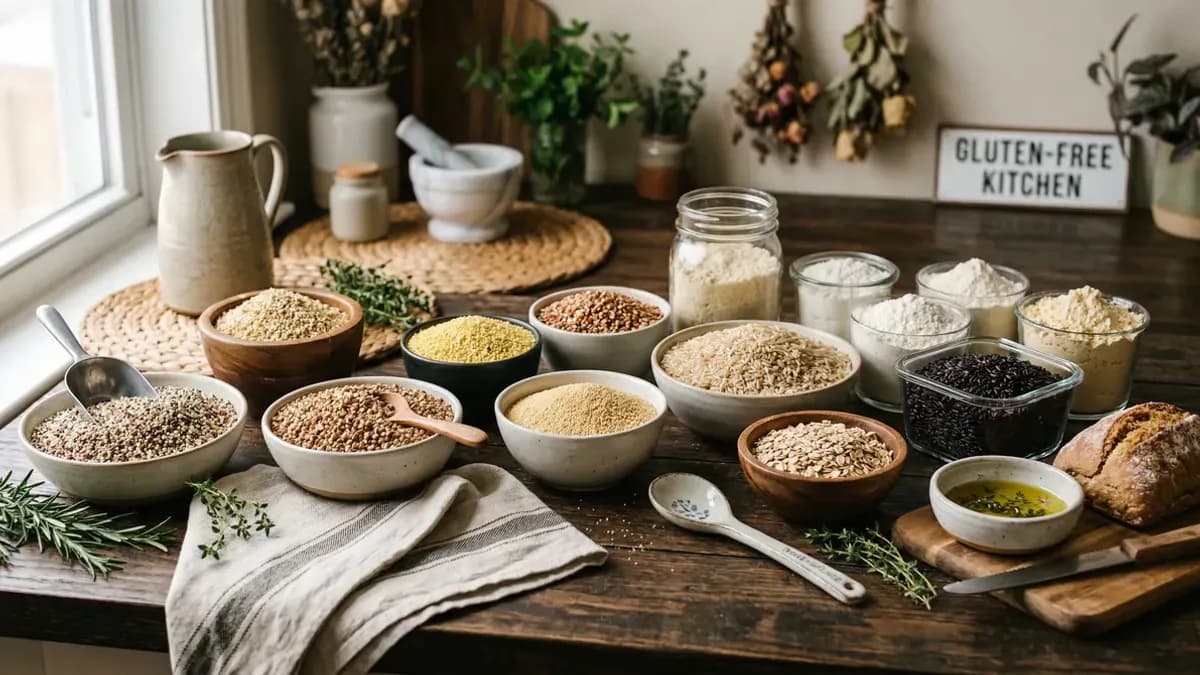
- Rice — white, brown, basmati, or jasmine; all naturally gluten-free
- Maize (corn) — polenta, cornmeal, and cornstarch are safe options
- Buckwheat — despite its name, not related to wheat; a seed rich in protein and fibre
- Quinoa — a complete protein source containing all essential amino acids
- Millet — easy to digest and versatile in cooking
- Certified gluten-free oats — regular oats can be cross-contaminated with wheat; always choose certified oats if you have coeliac disease
Potatoes, sweet potatoes, legumes, and cornstarch are also naturally gluten-free and form a nutritious foundation for meals.
Hidden gluten: what to watch out for
Gluten hides in products where you might not expect it:
- Soy sauce (unless specifically gluten-free, such as tamari)
- Ready-made soups and sauces
- Marinades and salad dressings
- Some chocolate bars and sweets
- Processed meats such as sausages and pâté
- Beer (barley) — gluten-free beer is an alternative
Learn to read labels. In the EU, the 14 major allergens must be highlighted in bold on packaging. Wheat, barley, and rye are always listed. Also watch for "may contain traces of" — for people with coeliac disease, even trace amounts can trigger a reaction.
Nutritional gaps in a gluten-free diet
A gluten-free diet can lead to shortfalls if you are not careful, because many gluten-free substitutes contain less fibre, iron, folate, and B vitamins than their wheat-based counterparts. Pay attention to:
- Sufficient wholefood gluten-free grains (brown rice, buckwheat, quinoa)
- Legumes for fibre and iron
- Vegetables and fruit as the foundation of every meal
- Consulting a dietitian about supplementation if you have coeliac disease
Practical tips for beginners
Do not start a gluten-free diet without a diagnosis — it makes accurate testing for coeliac disease much harder, because antibody levels fall once you stop eating gluten. Get tested first.
If you have received medical advice to eat gluten-free, these steps will help:
- Set up a gluten-free kitchen, or designate a separate chopping board and toaster
- Replace wheat bread with gluten-free bread or rice cakes
- Use tamari instead of soy sauce
- Cook more often with rice, quinoa, or potatoes as a base
- Always read labels, even for products you already know
Moveno lets you scan a barcode or photograph your food to see exactly what is in it — useful when you want to check whether a product is gluten-free and what the nutritional values are. If you would like to learn more about logging your diet, our guide on food tracking is a good place to start.
Gluten-free products: pricier but not always better
Gluten-free substitutes are often considerably more expensive than regular products and sometimes contain more sugar or fat to compensate for differences in taste and texture. It is generally wise to base your diet as much as possible on unprocessed, naturally gluten-free foods rather than ready-made gluten-free alternatives.
A gluten-free diet is not a guarantee of healthier eating — it is a necessary adjustment for those who cannot tolerate gluten, not a lifestyle choice with proven benefits for everyone.
Sources
- Gezondheidenwetenschap.be — Glutenintolerantie (coeliakie)
- Voedingsnu.nl — Niet-coeliakie glutensensitiviteit komt mogelijk minder vaak voor dan gedacht
- Homed-IQ — Verschil tussen coeliakie en glutenintolerantie