"Drink eight glasses of water a day" — it's one of the most repeated pieces of health advice around. But is it actually based on evidence? And does the same rule apply to everyone? The reality is more nuanced — and fortunately, easier to put into practice.
Key takeaways
- The Dutch Voedingscentrum recommends approximately 1.5 to 2 litres of fluid per day for adults — including coffee, tea and other drinks.
- Women tend toward 1.5 litres, men toward 2 litres as a baseline.
- Your urine colour is the simplest indicator: pale yellow means well-hydrated, dark yellow means drink more.
- Exercise, heat and illness significantly increase your fluid needs — adjust accordingly on the day.
- You don't need to count glasses: drinking regularly when thirsty and with meals is enough for most healthy adults.
Why does your body need water?
Water is involved in virtually every bodily process: temperature regulation through sweating, nutrient transport, waste removal via urine and stool, and lubrication of joints and organs.
When you don't get enough fluid, your body works less efficiently. Even a fluid deficit of 1 to 2 percent of your body weight can cause fatigue, difficulty concentrating, and a measurable drop in performance.
How much water do you need per day?
The Voedingscentrum recommends adults and adolescents aged 14 and older drink approximately 1.5 to 2 litres of fluid per day. This applies to total fluid intake — including coffee, tea, soup and other beverages. You don't need to drink additional litres of water on top of your regular drinks.
General guidelines by age group:
- Children aged 1–13: 1 to 1.5 litres per day
- Women (14+): approximately 1.5 litres per day
- Men (14+): approximately 2 litres per day
- Older adults (70+): approximately 1.7 litres per day — the thirst response weakens with age
Your exact needs depend on factors including activity level, temperature, diet and health status.
How do you know if you're drinking enough?
The simplest method: check the colour of your urine.
- Pale yellow or straw-coloured: you are well-hydrated
- Dark yellow or amber: you are dehydrated — drink more
- Clear or almost colourless: you are drinking more than needed (not dangerous, but unnecessary)
This is a direct, personal measure that works for everyone — far more practical than counting glasses.
When do you need more?
The baseline of 1.5 to 2 litres applies to average conditions. You need more fluid in the following situations:
- During sport or intense physical labour: you lose extra fluid through sweat. Add 400 to 600 ml per hour of intense activity.
- In hot or warm weather: temperature regulation requires more fluid.
- With fever, diarrhoea or vomiting: fluid loss is rapid — replenish promptly.
- During pregnancy and breastfeeding: needs increase by approximately 0.3 to 0.7 litres per day.
Does coffee and tea count?
Yes. Coffee and tea count toward your daily fluid intake, even though caffeine has a mild diuretic effect. That effect is too small to negate the fluid contribution at normal consumption levels (up to 4 cups of coffee per day).
Soft drinks and fruit juice technically count too, but they add significant sugar. Prefer water, tea or unsweetened coffee to meet your fluid needs without extra calories.
Can drinking water help with weight loss?
There is research suggesting that drinking water before meals may help reduce calorie intake at that meal. Read more in our dedicated article on drinking water and weight loss — including exactly what the evidence shows and what it doesn't.
Practical tips to drink more
Many people consistently drink too little, simply because they forget. Small habits solve this:
- Start your day with a glass of water — before coffee, right after waking
- Keep a bottle on your desk — visible means more likely to drink
- Drink a glass with every meal — creates a natural structure
- Use an app or phone reminder — helpful if you consistently forget
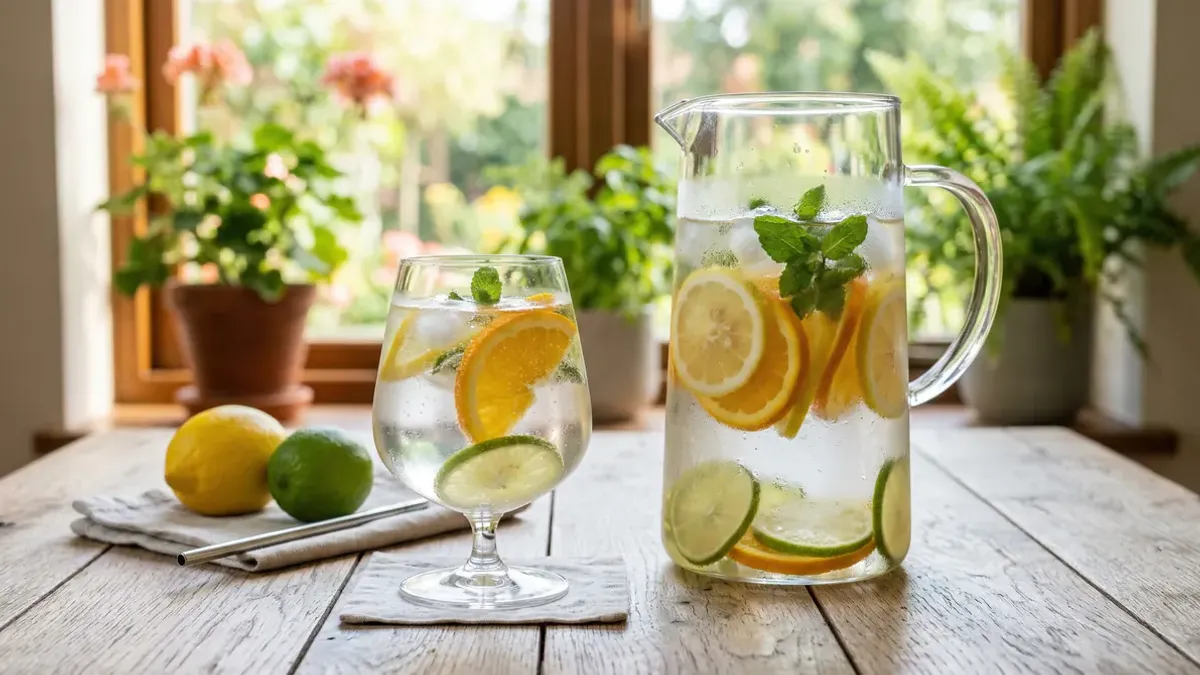
- Add flavour — a slice of lemon, cucumber or mint makes plain water more appealing
Start hydrating better today
For most people, drinking enough isn't a major challenge. Drinking when thirsty, having a glass with each meal, and increasing intake during exercise or heat — that's enough.
Moveno tracks your daily fluid intake alongside your calories and macros, giving you a complete picture of everything you consume.
Sources
- Voedingscentrum — How much water or fluid do I need per day? — official recommendations for daily fluid intake
- Voedingscentrum — Fluid (encyclopaedia) — background on fluid balance and requirements
- Voedingscentrum — How much should older adults drink? — specific recommendations for adults over 70