Key takeaways
• Modern food scanner apps use two main methods: barcode scanning for packaged products and AI photo recognition for fresh meals • Barcode scanning works fastest and most accurately for products with barcodes, but only covers part of what we eat daily • AI photo recognition can identify complex dishes and homemade meals, but requires good lighting conditions for best results • The best food scanner app combines both methods and connects to comprehensive nutrition databases • Success depends more on consistent use than finding the perfect app - choose a tool that fits your lifestyle • Quality varies significantly between apps, especially for local foods and regional dishes
How does barcode scanning work in nutrition apps?
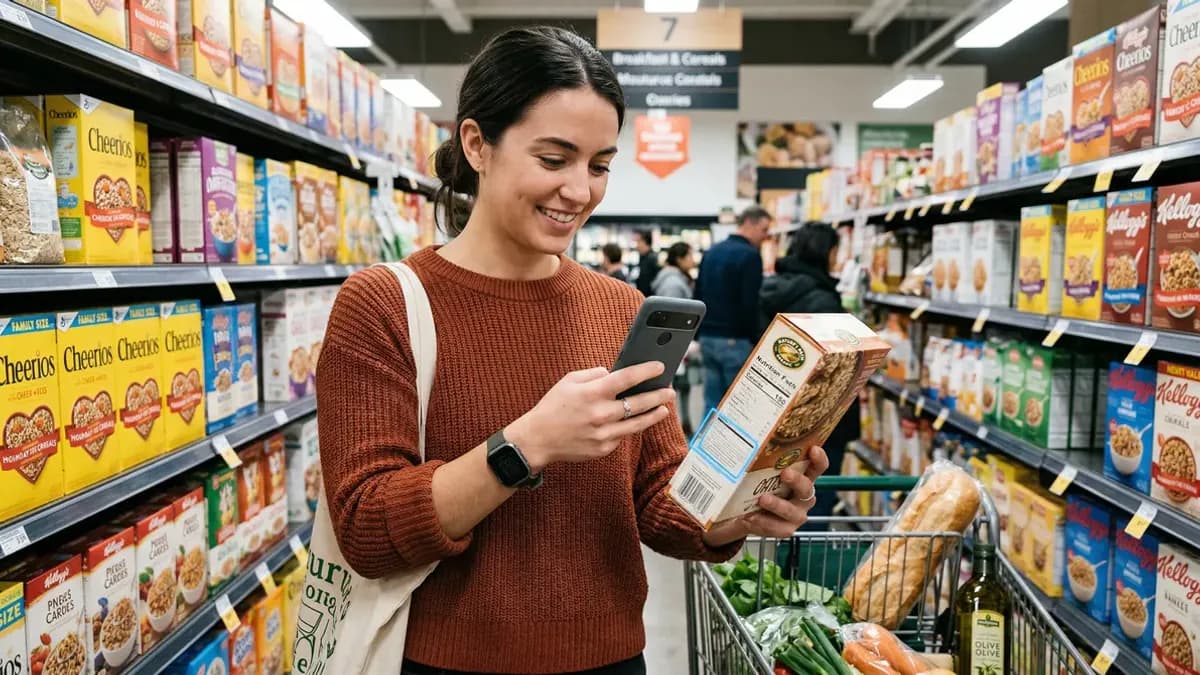
Barcode scanning is the most reliable method for packaged products. Point your phone at the barcode and within seconds, complete nutrition information appears on your screen.
Speed matters. A barcode scan typically takes two to three seconds. Much faster than manually typing nutrition values from packaging labels.
Accuracy advantage. Barcodes contain exact product information. No guesswork about serving sizes or ingredients - you get official data from the manufacturer.
Clear limitations. Not all foods have barcodes. Fresh vegetables, farmers market produce, and homemade meals require different approaches.
The quality depends entirely on the database behind the app. Apps with comprehensive local databases work better for regional products than international alternatives.
What is AI photo recognition for food tracking?
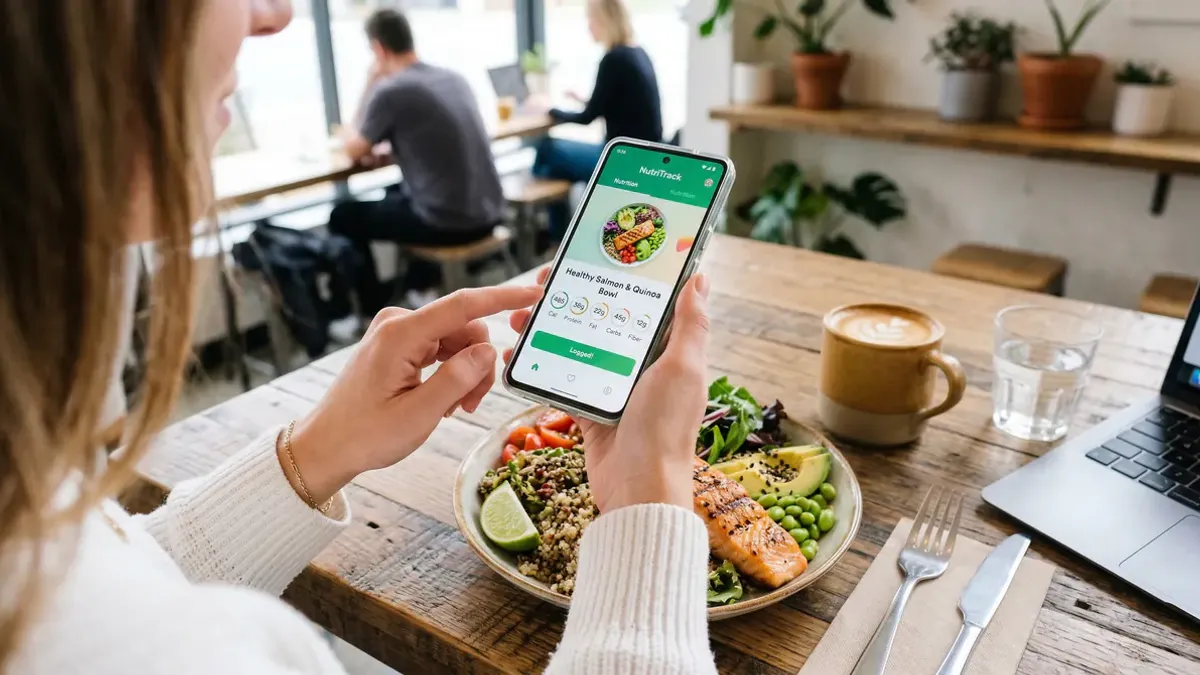
AI photo recognition analyzes pictures of your meals and automatically identifies different ingredients. This technology keeps improving at recognizing complex dishes and mixed meals.
Computer vision technology. The AI analyzes shapes, colors, and textures to identify food items. Modern systems can recognize elaborate dishes like casseroles, stir-fries, and layered meals.
Portion size estimation. Advanced apps don't just identify what you're eating - they estimate how much. This happens by using reference points in the photo for scale.
Learning from data. The best systems train on millions of food photos to improve accuracy. More training data means better recognition of diverse cuisines and cooking styles.
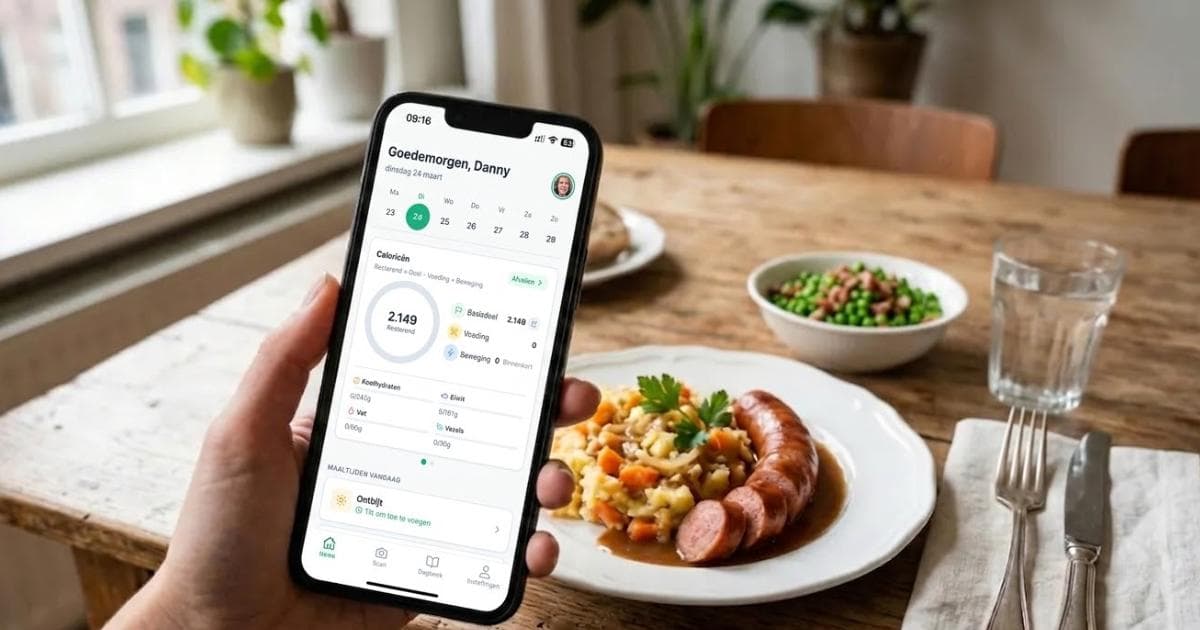
At Moveno, we use AI trained specifically on diverse eating patterns, from simple snacks to complex homemade meals.
Which scanning method fits your lifestyle best?
Choosing between barcode scanning and photo recognition depends on your eating patterns and daily routine.
Step 1: Analyze your eating habits
Look at what you ate this past week. Do you eat mostly packaged products, or do you cook frequently? Do you often eat on the go, or mostly at home?
Step 2: Consider your time investment
Barcode scanning works faster but only for packaged products. Photo recognition handles more variety but sometimes needs manual corrections.
Step 3: Test both approaches
Try both methods for a week. Notice which feels like a natural habit, not an extra chore.
Food scanner app vs manual entry: what works better?
| Aspect | Scanning/Photo | Manual entry |
|---|---|---|
| Speed | 2-5 seconds | 30-60 seconds |
| Accuracy | 85-95% | User dependent |
| Convenience | Very easy | Time consuming |
| Flexibility | Limited to database | Unlimited |
| Best for | Daily tracking | Specific items |
Bottom line: Scanning and photo recognition work best for regular tracking, while manual entry helps with unusual products not in databases.
Why comprehensive nutrition databases matter
Not all food scanner apps are created equal. Apps with extensive databases recognize local products much better.
Database coverage. The best apps connect to multiple nutrition databases, covering everything from branded products to generic ingredients.
Local brands. Regional supermarket brands and local products often don't appear in international databases.
Recipe variations. The same dish can have different nutrition values depending on preparation methods and ingredients used.
A quality nutrition app combines international databases with local specifications for the best coverage.
Tips for successful nutrition tracking with scanning
The technology exists, but success depends on how you use it.
Build the habit. Scan your food before you start eating, not afterward. This prevents forgetting to track meals.
Use good lighting. Both barcodes and photos need adequate light for accurate recognition.
Check the results. AI and databases sometimes make mistakes. A quick glance at nutrition values prevents major errors.
Stay consistent. Use the same app for all meals. Switching between apps gives an incomplete picture of your nutrition intake.
For more practical advice, read our guide on calorie tracking with a busy schedule.
Start tracking smarter nutrition today
A good food scanner app can make the difference between giving up after a week and months of valuable nutrition insights. The best app isn't necessarily the most advanced one, but the one you actually use consistently.
Ready to start tracking nutrition without hassle? Moveno combines barcode scanning with AI photo recognition, designed for diverse eating habits. Take a photo of your meal and our AI automatically recognizes nutrition values - from simple snacks to complex homemade dishes.