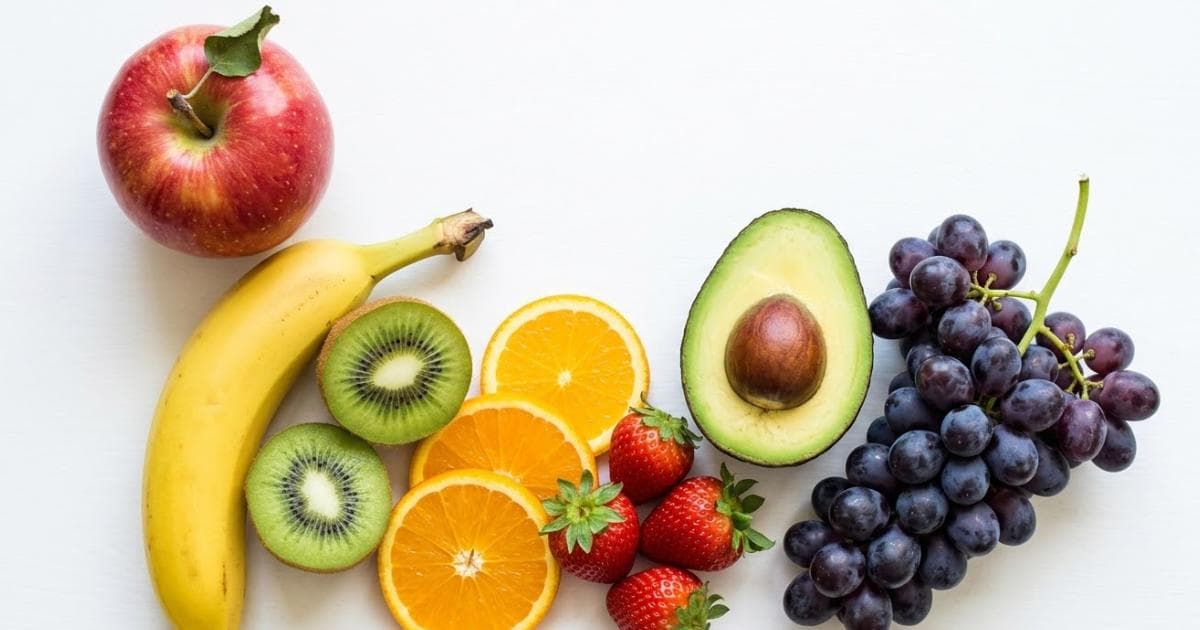
Fruit is healthy -- everyone knows that. But how many calories are actually in an apple? Is a banana a high-calorie snack, or is it lighter than you think? And why does an avocado count so differently from a kiwi?
Whether you want to lose weight or simply eat more mindfully, knowing the calorie content of your favourite fruits gives you a practical advantage. In this guide, you will find a complete overview of calories in the most popular fruits, both per piece and per 100 grams. All values are based on official nutrition databases including the Dutch Voedingscentrum and USDA data. For a broader look at tracking your intake, check out our complete guide to calorie counting.
Key takeaways
- A medium apple (135g) contains 76 kcal, making it one of the lightest fruit options available. Strawberries and watermelon are even lighter.
- Bananas contain more calories than most fruits -- 152 kcal for a large banana -- but they also deliver fibre and potassium.
- Avocado is the outlier at 335 kcal per whole fruit, though those calories come primarily from healthy unsaturated fats.
- Strawberries (29 kcal/100g) and blueberries (30 kcal/100g) have the fewest calories per 100 grams.
- Nutrition guidelines recommend about 2 portions of fruit per day (roughly 200g). That fits easily into any eating plan.
- The difference between fruit types is smaller than you might think. All fruit delivers fibre, vitamins and minerals -- choose what you enjoy.
How many calories are in fruit?
The table below shows calories per 100 grams and per average piece of fruit. Use it as a quick reference to compare your options.
| Fruit | Kcal per 100g | Kcal per piece | Weight per piece |
|---|---|---|---|
| Apple | 56 kcal | 76 kcal | ~135g |
| Banana | 92 kcal | 152 kcal | ~165g (large, without peel) |
| Green kiwi | 61 kcal | 46 kcal | ~75g |
| Gold kiwi | 67 kcal | 50 kcal | ~75g |
| Avocado | 186 kcal | 335 kcal | ~180g (without pit and skin) |
| Orange | 48 kcal | 82 kcal | ~170g (large) |
| Strawberry | 29 kcal | 4 kcal | ~12g |
| Pear | 55 kcal | 124 kcal | ~225g |
| Grapes | 78 kcal | — | per bunch ~125g = 98 kcal |
| Mandarin | 47 kcal | 28 kcal | ~60g |
| Mango | 66 kcal | 185 kcal | ~280g (without pit and skin) |
| Pineapple | 54 kcal | — | per bowl ~125g = 68 kcal |
| Watermelon | 36 kcal | — | per slice ~300g = 108 kcal |
| Blueberries | 30 kcal | — | per punnet ~100g = 30 kcal |
| Raspberries | 37 kcal | — | per punnet ~100g = 37 kcal |
Source: Voedingscentrum calorie checker and USDA FoodData Central
How many calories are in an apple?
The apple is one of the most popular fruits worldwide, and for good reason. A medium apple (135g) contains just 76 calories, making it one of the lightest fruit options you can reach for.
Beyond calories, an apple provides:
- Fibre. About 2.7g per piece. This may help you feel fuller for longer.
- Vitamin C. Supports immune function and iron absorption.
- Potassium. Important for healthy blood pressure.
The fibre content makes apples a satisfying snack when you are watching your daily calorie intake.
Tip: eat the skin. That is where most of the fibre and antioxidants are.
Calories by apple variety
The differences between apple varieties are small. All common supermarket varieties fall between 70 and 85 kcal per piece (approximately 135g), depending on size and sugar content.
| Apple variety | Kcal per piece (~135g) |
|---|---|
| Granny Smith | ~70 kcal |
| Gala | ~76 kcal |
| Fuji | ~85 kcal |
| Honeycrisp | ~80 kcal |
| Pink Lady | ~80 kcal |
The takeaway? All apples are a solid choice. Pick the variety you enjoy most.
How many calories are in a banana?
A large banana (165g without peel) contains 152 calories. That is more than most fruits, but for a filling, portable snack it is still reasonable.
Bananas are well known for their potassium content and are popular with athletes for their fast-acting carbohydrates. A large banana also provides about 3.1g of fibre.
| Size | Weight (without peel) | Calories |
|---|---|---|
| Small | ~100g | ~92 kcal |
| Medium | ~130g | ~120 kcal |
| Large | ~165g | 152 kcal |
Are bananas good for weight loss? Yes, as long as they fit within your daily calorie target. Not sure what your target is? Calculate your daily calorie needs in three steps. The combination of fibre, natural sugars and potassium makes a banana a better choice than a biscuit or energy bar.
How many calories are in a kiwi?
A green kiwi is surprisingly low in calories: just 46 kcal per piece (75g). That makes it one of the lightest fruit options available.
Kiwis are also known for their high vitamin C content. They contain actinidin, an enzyme that may support healthy digestion.
| Kiwi variety | Kcal per piece (75g) | Kcal per 100g |
|---|---|---|
| Green kiwi | 46 kcal | 61 kcal |
| Gold kiwi | 50 kcal | 67 kcal |
Tip: gold kiwis are sweeter than green kiwis but contain less fibre (1.0g versus 1.7g per piece).
How many calories are in an avocado?
This one needs some context. A whole avocado (180g without pit and skin) contains 335 kcal -- significantly more than other fruits. But most of those calories come from healthy unsaturated fats.
| Portion | Weight | Calories | Fat |
|---|---|---|---|
| Half avocado | ~90g | ~168 kcal | ~16.5g |
| Whole avocado | ~180g | 335 kcal | 33.1g |
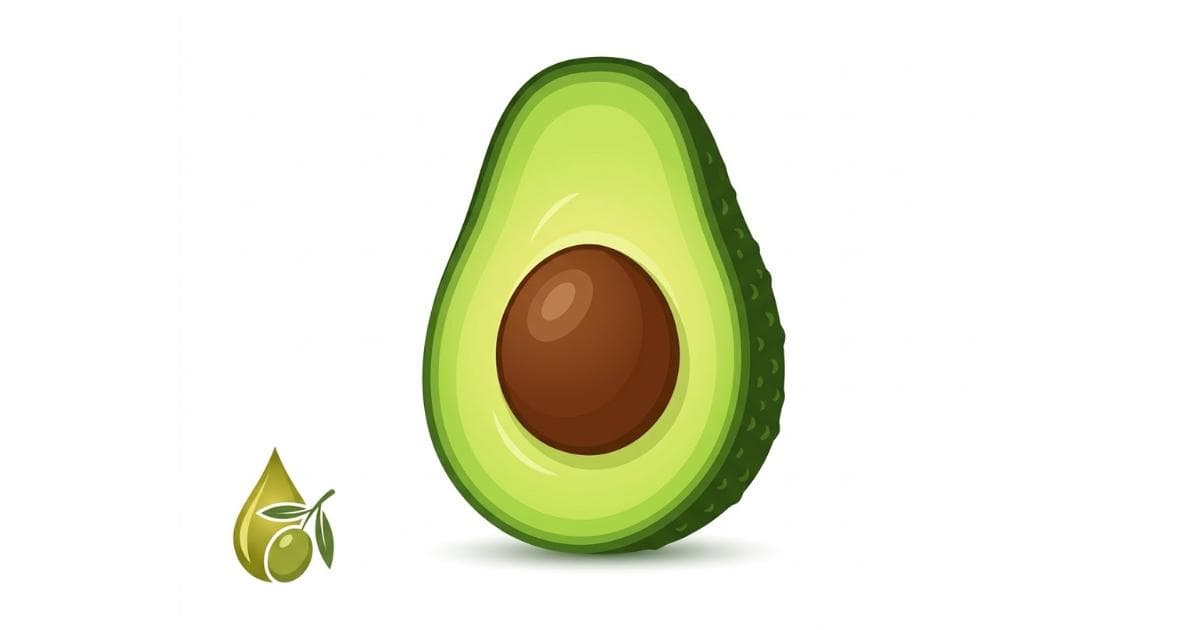
Avocados are rich in:
- Unsaturated fats. May contribute to heart and cardiovascular health.
- Fibre. 5.6g per whole avocado.
- Potassium. More than most other fruits.
- Vitamins. Including vitamin K, E and B6.
Is avocado good for weight loss? In moderate portions, yes. The high fat content may help you feel satisfied for longer. But given its calorie density, it is wise to keep portions in check.
Which fruits have the fewest calories?
Looking for the lightest fruit options? These are the top 5 per 100 grams:
- Strawberries -- 29 kcal per 100g
- Blueberries -- 30 kcal per 100g
- Watermelon -- 36 kcal per 100g
- Raspberries -- 37 kcal per 100g
- Mandarin -- 47 kcal per 100g
Strawberries, blueberries and watermelon are mostly water, which is why they contain so few calories. They make a refreshing snack on their own or as a topping for yoghurt or porridge.
Which fruits have the most calories?
Some fruits are more calorie-dense. Not unhealthy, but worth knowing if you are tracking your intake:
- Avocado -- 186 kcal per 100g
- Banana -- 92 kcal per 100g
- Grapes -- 78 kcal per 100g
- Gold kiwi -- 67 kcal per 100g
- Mango -- 66 kcal per 100g
Is fruit good for weight loss?
Absolutely. Fruit is one of the best food groups if you want to lose weight, for three reasons:
Fibre. Fruit is packed with fibre that may slow digestion and help you feel fuller for longer. Want to know more about fibre? Read our article on how much fibre you need per day.
Water content. Many fruits consist of 80 to 95 percent water. That adds volume to your meals without adding many calories.
Natural sugars. Yes, fruit contains sugar (fructose). But unlike added sugars in sweets and biscuits, the fructose in fruit comes packaged in a matrix of fibre, water and micronutrients. Your body processes this differently than free sugars.
The standard guideline -- about two portions of fruit per day (200 grams) -- fits easily into any weight loss plan. That works out to roughly 60 to 300 kcal per day from fruit, depending on your choices. Curious about how other snacks compare? Check out our guide to calories in eggs.
Frequently asked questions
How many calories are in an apple? A medium apple (135g) contains about 76 kcal. The exact value varies slightly by variety, but all apples fall between 70 and 85 kcal per piece.
How many calories are in a banana? A large banana (165g without peel) contains 152 kcal. Smaller bananas come in at around 92 kcal (100g).
Is fruit unhealthy because of the sugar? No. The fructose in fruit is consumed together with fibre, water and micronutrients, which may result in a different metabolic effect compared to added sugars. Nutrition guidelines recommend about two portions of fruit per day.
How many calories are in a kiwi? A green kiwi (75g) contains 46 kcal. A gold kiwi contains about 50 kcal. Kiwis are among the lightest fruit options available.
Which fruit has the fewest calories? Strawberries (29 kcal/100g) and blueberries (30 kcal/100g) have the fewest calories. They are mostly water.
How many calories are in an avocado? A whole avocado (180g) contains about 335 kcal. Half an avocado comes in at roughly 168 kcal. The calories come primarily from healthy unsaturated fats.
Ready to track your fruit intake?
Now that you know the calorie content of your favourite fruits, the next step is tracking what you eat each day. With Moveno, you take a photo of your meal and instantly see the nutritional values -- based on the official NEVO database from RIVM. Join the waitlist and be among the first to get access.