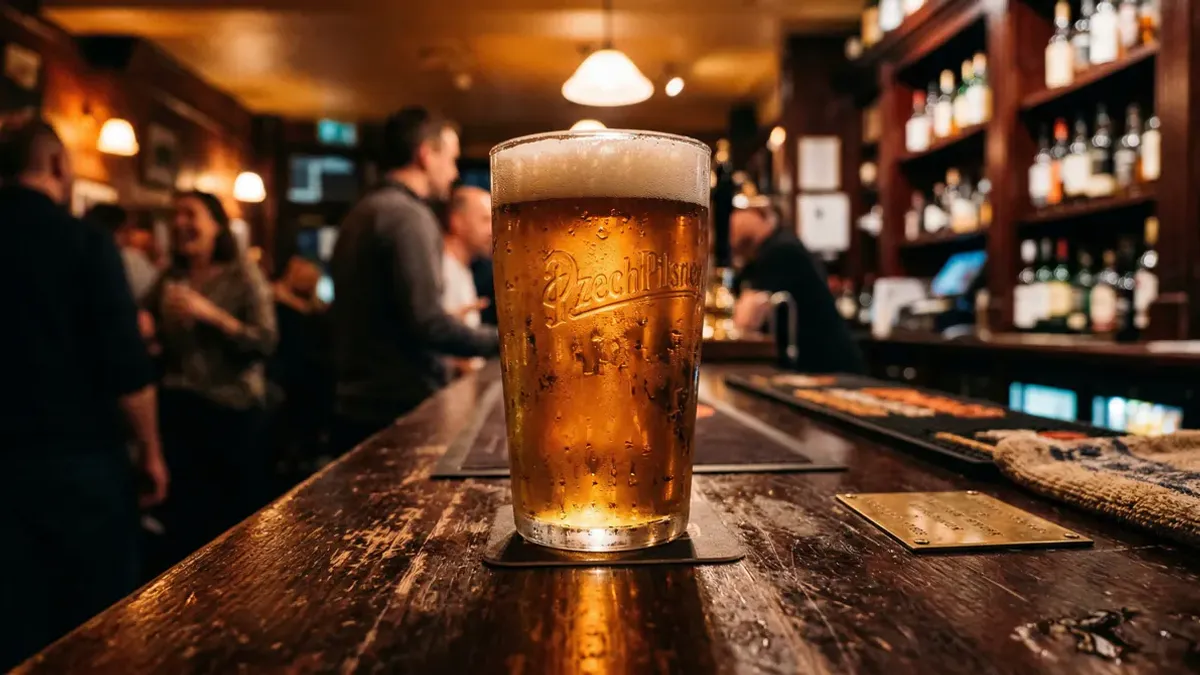
Friday evening, a beer in hand. One turns into two, two into four. Tastes great, but the calories count silently alongside. A standard glass of lager contains 110 kcal. Four beers on a night out? That is 440 kcal, without eating anything on the side. Beer is one of the most underestimated calorie sources, especially in beer-loving countries like the Netherlands.
Key takeaways
- Lager (250 ml). Contains about 110 kcal. A 330 ml can holds 145 kcal, according to the Dutch Nutrition Centre.
- Wheat beer (250 ml). About 118 kcal — slightly more than lager due to higher carbohydrates.
- IPA (250 ml). 150 to 180 kcal, depending on the alcohol percentage (5 to 7 percent).
- Tripel (250 ml). 200 kcal or more. Heavy beer (over 7 percent alcohol) contains 211 kcal per 330 ml can.
- 0.0% beer (250 ml). About 65 kcal — up to 50 percent less than regular lager.
- Alcohol. Contains 7 kcal per gram, nearly twice as much as carbohydrates (4 kcal per gram).
How many beer calories are in popular styles?
The alcohol percentage is the main factor driving calories in beer. Alcohol delivers 7 kcal per gram — nearly twice as much as carbohydrates or protein (4 kcal per gram) and just below fat (9 kcal per gram).
1. Lager (pilsner)
The standard beer in most countries. A 250 ml glass contains about 110 kcal. A 330 ml can holds 145 kcal according to the Dutch Nutrition Centre, with 9.9g carbohydrates and 1.3g protein. Popular Dutch brands like Heineken, Amstel, Hertog Jan, and Brand all fall within the same range of 40 to 45 kcal per 100 ml.
2. Wheat beer
Wheat beer contains slightly more calories than lager. A 300 ml bottle holds 141 kcal, or about 118 kcal per 250 ml. The higher carbohydrate content (11.1g per 300 ml) comes from the wheat and coriander. Think Hoegaarden and similar styles.
3. IPA
India Pale Ales are more popular than ever, but they also pack more calories. The higher alcohol content (typically 5 to 7 percent) and residual sugars push an IPA to 150 to 180 kcal per 250 ml. Some double IPAs at 8 percent or higher can reach 200+ kcal per glass.
4. Tripel and strong beer
The heavyweights. According to the Dutch Nutrition Centre, heavy beer (over 7 percent alcohol) contains 211 kcal per 330 ml can. That works out to about 160 kcal per 250 ml, though a standard tripel glass (330 ml) is more common. Belgian tripels like La Trappe and Westmalle at 8 to 10 percent alcohol reach 200 to 250 kcal per glass.
5. Alcohol-free beer (0.0%)
Alcohol-free beer is the lightest option. The Dutch Nutrition Centre lists 88 kcal per 340 ml, which works out to about 65 kcal per 250 ml. Without alcohol (at 7 kcal per gram), a major calorie source disappears. Brands like Heineken 0.0 and similar alcohol-free options fall in the 50 to 75 kcal range per glass.
Why are beer calories considered "empty calories"?
Calories from beer are often called "empty calories," and for good reason.
No satiation. Liquid calories barely trigger feelings of fullness. Your body processes calories from drinks differently than from solid food. After a sandwich with cheese you feel satisfied; after two beers with the same calorie count, you do not.
No nutrients. Beer contains virtually no vitamins, minerals, or fiber. The calories come from alcohol and carbohydrates, without meaningful nutritional value.
Effect on fat burning. Your body treats alcohol as a toxic substance and prioritizes breaking it down. Research suggests that fat burning may decrease by up to 73 percent in the hours after alcohol consumption. That means the snacks you eat alongside your beer are more likely to be stored as fat.
How do beer calories add up over a week?
The real impact of beer becomes clear when you look at it weekly.
| Scenario | Per glass | Per week | Per month |
|---|---|---|---|
| 3 lagers per week | 110 kcal | 330 kcal | 1,430 kcal |
| 5 lagers per week | 110 kcal | 550 kcal | 2,380 kcal |
| 5 IPAs per week | 165 kcal | 825 kcal | 3,575 kcal |
| 3 tripels per week | 225 kcal | 675 kcal | 2,925 kcal |
| 5x 0.0% beer per week | 65 kcal | 325 kcal | 1,410 kcal |
Five lagers per week is 550 kcal — that equals an extra meal. Over a year, that is more than 28,000 kcal. Switch three of those five lagers for 0.0% beer, and you save 135 kcal per week, or 7,000 kcal per year.
Beer vs. wine vs. spirits: how do they compare?
How do beer calories compare to other alcoholic drinks?
- Lager (250 ml). 110 kcal.
- Red wine (150 ml). 123 kcal — more per ml, but a smaller standard glass.
- Vodka soda (35 ml vodka + soda). About 80 kcal — low in calories, but easy to add extra shots.
- Gin and tonic (35 ml gin + 200 ml tonic). About 170 kcal — the tonic adds significant sugar.
Per standard drink (as defined by health authorities: 250 ml beer, 100 ml wine, 35 ml spirits), the differences are smaller than you might expect. The real variation comes from how much you drink. Want to compare wine calories in detail? Check our full breakdown.
What do health authorities say about alcohol?
The Dutch Health Council's recommendation is clear: do not drink alcohol, or at most one glass per day. A standard glass means 250 ml beer, 100 ml wine, or 35 ml spirits.
This guidance is based on health risks, not calories. But from a calorie perspective, the same principle applies: less is better. Every glass you skip saves 65 to 225 kcal, depending on the type.
For a broader overview of alcohol calories, including cocktails and mixed drinks, we have a separate article.
How can you manage beer calories more smartly?
You do not have to give up beer entirely when you are tracking your intake. A few conscious choices keep it manageable.
1. Alternate with 0.0% beer
The easiest saving. A 0.0% beer contains about 65 kcal instead of 110 kcal. Swap every other beer for 0.0% and you cut the calories roughly in half.
2. Choose lager over craft beer
Lager contains the fewest calories among alcoholic beers. An IPA or tripel can have 50 to 100 kcal more per glass. Save the craft beer for a moment when you truly savor it.
3. Set a limit beforehand
Know you are going to have three beers? Do the math. Three lagers is 330 kcal. Three tripels is 675 kcal. That difference equals a full meal.
4. Watch the snacks on the side
Beer stimulates appetite. The bar snacks, nuts, and cheese cubes alongside can easily add another 300 to 500 kcal. Be aware of the total picture.
5. Drink water in between
A glass of water between each beer slows your pace and reduces total intake. It also counteracts the dehydrating effect of alcohol.
Start making more conscious drinking choices today
Beer does not have to work against your nutrition goals. A few lagers per week fits just fine, especially when you know how many calories you need per day. The key is choosing consciously: which type, how many, and what you eat alongside.
Want to easily track what you drink and eat? With Moveno, you can also log drinks and instantly see how they fit into your daily balance. So you keep a clear overview, even on a social evening.