A vegan diet is more than a food choice — for many people it is a complete lifestyle. Plant-based eating has grown significantly in popularity, driven by environmental awareness, animal welfare concerns, and the desire for better health. A well-planned vegan diet may also support weight loss, provided you approach it thoughtfully.
Key takeaways
- A vegan diet excludes all animal products: meat, fish, dairy, eggs, and honey
- Plant-based foods are generally higher in fibre and lower in calories, which may help with weight management
- Pay close attention to vitamin B12, iron, calcium, omega-3, and zinc — supplements are often necessary
- Combine different protein sources such as legumes, tofu, tempeh, and nuts to cover all essential amino acids
- A well-planned vegan diet can be fully nutritious and satisfying
- Tracking your food intake helps identify potential nutrient gaps early
What is a vegan diet?
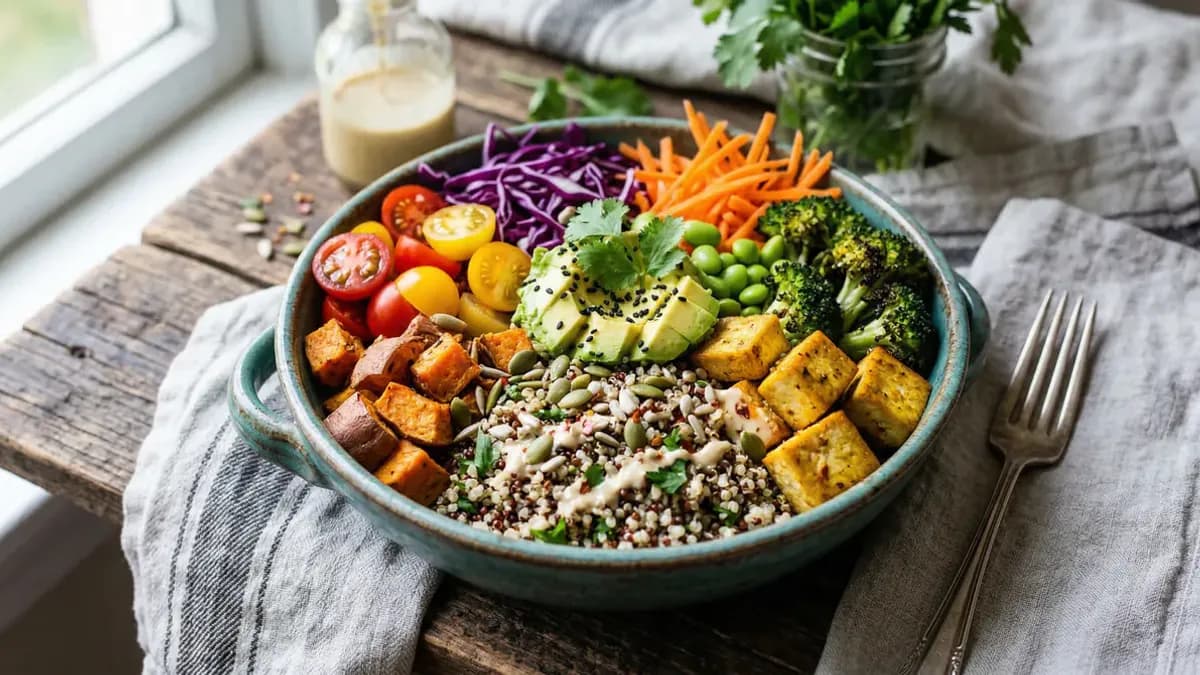
A vegan diet excludes all products derived from animals. That means no meat, fish, poultry, dairy, eggs, or honey. What remains is a rich variety of plant-based foods: vegetables, fruit, legumes, grains, nuts, seeds, and plant-based oils.
The key difference from a vegetarian diet is that vegetarians sometimes still consume dairy and eggs, while vegans avoid these consistently. It is a deliberate and sometimes demanding choice, but for many people a deeply rewarding one.
How a vegan diet may help with weight loss
Plant-based foods tend to be more voluminous and higher in fibre than meat and dairy products. Fibre promotes satiety, helping you feel full for longer and reducing the likelihood of overeating. Research consistently shows that vegans tend to have lower BMI values than omnivores on average.
That said, it is still possible to consume too many calories on a vegan diet. Avocado, nuts, nut butters, and coconut oil are calorie-dense. Processed vegan products — such as vegan cheese or plant-based burgers — can also be high in calories. Tracking your food intake with an app like Moveno makes it easy to understand your nutritional intake, even on a plant-based diet.
Nutrients to watch on a vegan diet
A vegan diet requires deliberate food choices. Several nutrients deserve particular attention.
Vitamin B12 is found almost exclusively in animal products. Nearly all vegans need a supplement. A deficiency can cause fatigue, anaemia, and nerve damage.
Iron is present in plant foods (lentils, spinach, pumpkin seeds), but in the non-haem form, which is less well absorbed than iron from meat. Combining iron-rich foods with vitamin C improves absorption significantly.
Calcium does not have to come from dairy. Leafy greens, tahini, fortified plant-based milks, and almonds all contain calcium. However, you need larger amounts to meet your daily requirements.
Omega-3 fatty acids from fish and seafood are absent in a vegan diet. Flaxseed, chia seeds, and walnuts contain ALA, but conversion to EPA and DHA (the forms your body uses) is limited. Algae oil supplements offer a reliable vegan source.
Zinc is found in pumpkin seeds, cashews, and whole grains. Phytic acid in grains and legumes can inhibit absorption — soaking or sprouting improves bioavailability.
Protein is the most discussed challenge. Your body needs all essential amino acids. By combining different plant-based protein sources throughout the day — legumes, tofu, tempeh, seitan, edamame, nuts — you can build a complete amino acid profile. You do not need to achieve this at every meal, just across the course of the day.
Practical tips for getting started
Do not switch to a fully vegan diet overnight if you have never tried it before. A gradual transition gives your habits and your body time to adapt.
Start by eating plant-based a few days per week. Explore new recipes with lentils, chickpeas, tofu, or tempeh. Find vegan alternatives to your favourite meals. Learn to read labels — milk powder, gelatine, and casein appear in many unexpected products.
Plan your meals ahead and keep a well-stocked plant-based pantry: quinoa, rice, pasta, chickpeas, black beans, lentils, nuts, and seeds. With good preparation, vegan cooking becomes surprisingly straightforward.
Take a B12 supplement — this is essential for virtually all vegans. Consider also vitamin D, iodine (if you do not use iodised salt), and an algae-based omega-3 supplement.
Vegan diet and sport
For athletes following a vegan diet, protein requirements are higher than for sedentary individuals. A strength athlete eating vegan typically needs 1.6–2.0 grams of protein per kilogram of body weight per day. This is achievable, but requires careful planning.
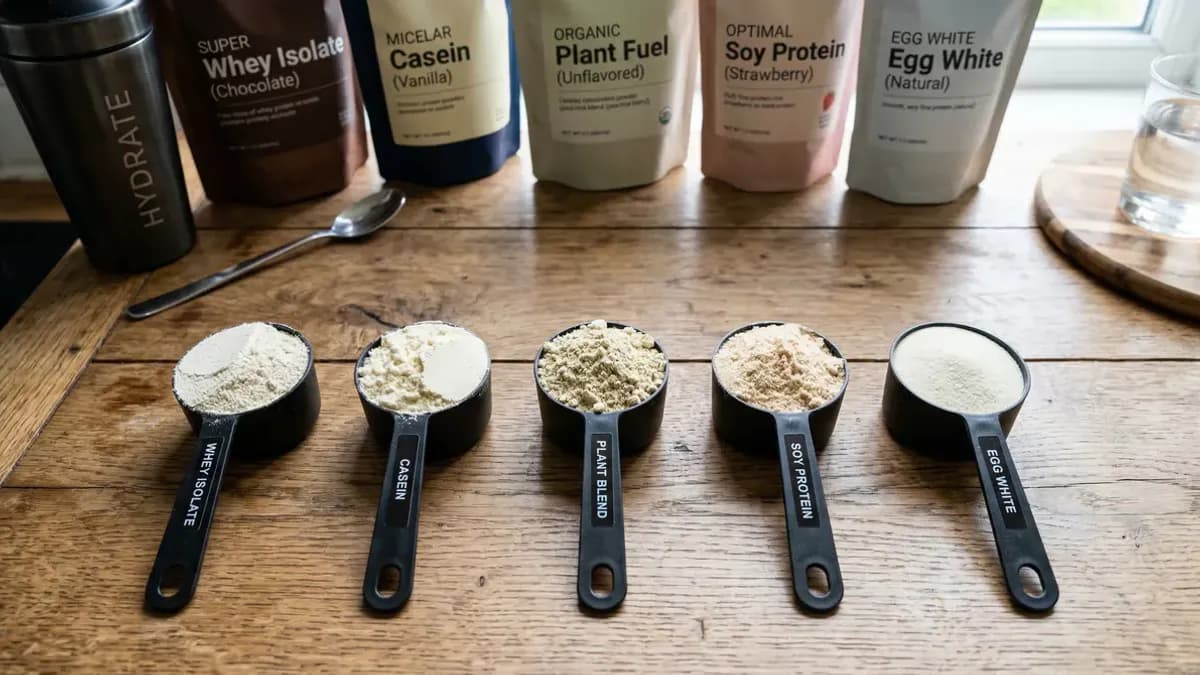
Good vegan protein sources for athletes include: edamame (11g/100g), tofu (8–15g/100g depending on type), tempeh (19g/100g), seitan (25g/100g), and plant-based protein powders made from peas, rice, or hemp. Read our full guide on how much protein you need per day for more detail.
Is a vegan diet right for you?
There is no universal answer. A vegan diet works well for many people, but requires more planning than an omnivorous eating pattern. If you already find it difficult to eat a varied and balanced diet, the additional step of going plant-based can feel overwhelming.
People with certain health conditions — including chronic bowel disease, kidney disease, or eating disorder related conditions — should consult a doctor or registered dietitian before starting a vegan diet.
For those who are ready: a well-planned vegan diet can be fully nutritious, enjoyable, and supportive of healthy weight management. The best diet is ultimately the one you can sustain. If plant-based eating aligns with your values and lifestyle, that is a powerful source of motivation.
Vitamin B12 and other key considerations
On a vegan diet, vitamin B12 is particularly important as it is found almost exclusively in animal products. Read more about the effects of vitamin B12 deficiency. For protein-rich plant foods to include in your meal plan, see our overview of high-protein foods.
Tracking your intake
Whether you are new to vegan eating or have followed a plant-based diet for years — understanding your nutritional intake is valuable. How else do you know whether you are getting enough B12 from fortified foods, or whether your protein intake is adequate?
With an app like Moveno, you photograph your meal and immediately see the nutritional values. This makes tracking easy and helps you spot potential gaps — without entering everything manually. Also read our guide on calorie tracking for beginners to get started.
Sources
- Melina V, Craig W, Levin S. Position of the Academy of Nutrition and Dietetics: Vegetarian Diets. Journal of the Academy of Nutrition and Dietetics. 2016;116(12):1970-1980. https://doi.org/10.1016/j.jand.2016.09.025
- Barnard ND, et al. A low-fat vegan diet improves glycemic control and cardiovascular risk factors. Diabetes Care. 2006. https://doi.org/10.2337/dc06-0606
- Rogerson D. Vegan diets: practical advice for athletes and exercisers. Journal of the International Society of Sports Nutrition. 2017;14:36. https://doi.org/10.1186/s12970-017-0192-9