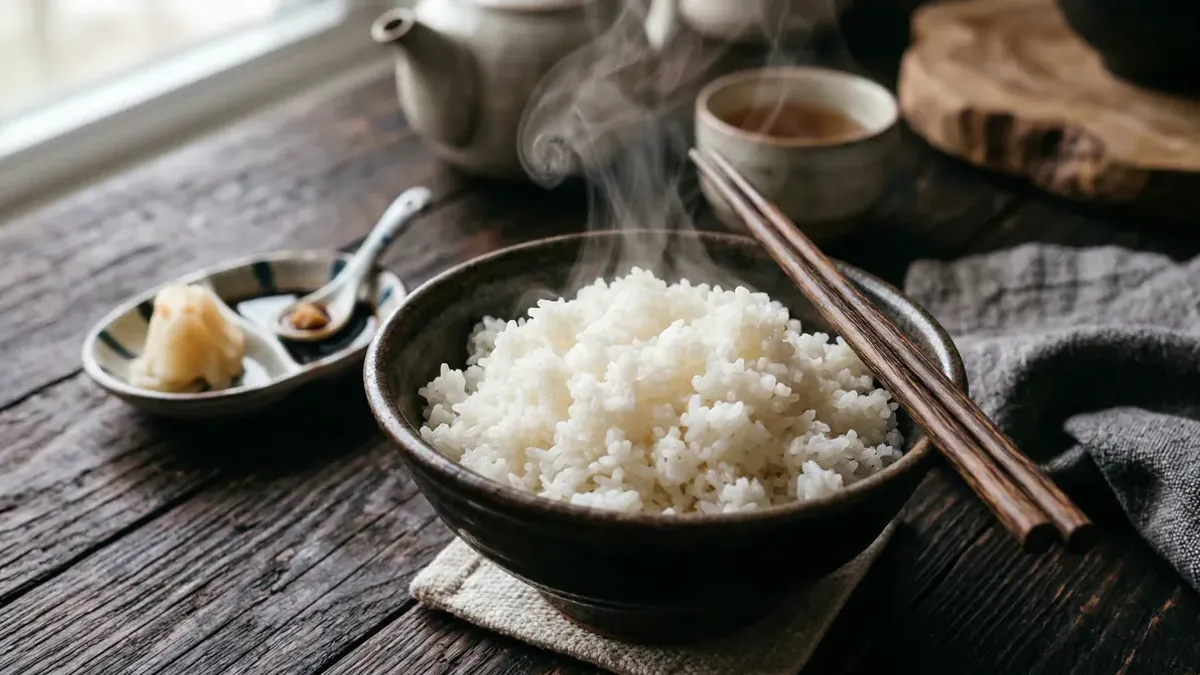
Stir-fry with rice, chicken curry, or a simple bowl of steamed white rice as a side dish. Rice is one of the most consumed foods on the planet. But when you are watching your diet, you want to know: how many calories are actually in that portion? And does it really matter whether you choose white, brown, or whole grain?
Key takeaways
- White rice. Contains about 145 kcal per 100g cooked, based on Dutch Food Composition Database data
- Brown rice. Slightly less at roughly 132 kcal per 100g cooked, with significantly more fiber and minerals
- Portion size matters most. A typical serving (150 to 200g cooked) contains 195 to 290 kcal
- Dry vs. cooked. Dry rice has about 350 kcal per 100g, but cooking absorbs water and drops the calorie density significantly
- The sauce makes the difference. Plain rice is relatively low in calories, but fried rice dishes climb quickly due to oil, soy sauce, and meat
How many calories are in rice by type?
Based on the Dutch Food Composition Database (NEVO), here are the calories per rice type, cooked:
| Rice type | Calories per 100g cooked | Per serving spoon (55-60g) |
|---|---|---|
| White rice | ~145 kcal | 80 kcal (55g) |
| Brown rice | ~132 kcal | 79 kcal (60g) |
| Parboiled rice | ~140 kcal | 77 kcal (55g) |
The calorie difference between rice types is smaller than most people expect. Per 100 grams cooked, white and brown rice differ by only 13 kcal. The real difference lies in the nutrients beyond calories.
White rice vs. brown rice: what are the real differences?
The calorie gap is small, but the nutritional profile tells a different story.
Per serving spoon, cooked (55-60g):
| Nutrient | White rice (55g) | Brown rice (60g) |
|---|---|---|
| Calories | 80 kcal | 79 kcal |
| Carbohydrates | 17.7g | 15.8g |
| Fiber | 0.4g | 1.3g |
| Protein | 1.8g | 1.9g |
| Fat | 0.2g | 0.6g |
Brown rice contains over three times more fiber than white rice. Fiber may contribute to feeling fuller for longer, which is helpful when watching your daily calorie intake. Brown rice also provides more minerals, including magnesium and manganese.
White rice, on the other hand, cooks faster and has a milder flavor. Both types fit well within a balanced eating pattern.
Dry vs. cooked: why the difference is so large
A common mistake when tracking food intake is confusing dry and cooked rice values. Dry white rice contains about 350 kcal per 100g. Cooked, that drops to roughly 145 kcal per 100g because rice absorbs significant water during cooking.
The rule of thumb: 100g of dry rice yields about 250 to 300g of cooked rice. When tracking your calories, make sure you know whether the value refers to dry or cooked weight. The difference is more than half.
How much rice is a normal portion?
Portion size is often the biggest factor with rice. Many people serve themselves more than they realize.
- Small portion. 100g cooked = about 145 kcal (as a side dish)
- Average portion. 150g cooked = about 218 kcal
- Large portion. 200g cooked = about 290 kcal
- Restaurant fried rice. 250 to 300g = about 360 to 435 kcal (rice alone)
With fried rice dishes, oil, soy sauce, vegetables, and meat add up. A typical takeout portion of fried rice easily reaches 500 to 700 kcal.
Rice vs. pasta vs. bread: how do they compare?
Rice is not the only carbohydrate source on your plate. How does it stack up against pasta and bread?
| Food | Calories per 100g (prepared) | Fiber per 100g |
|---|---|---|
| White rice (cooked) | ~145 kcal | 0.7g |
| Pasta (cooked) | ~142 kcal | 1.3g |
| White bread | ~249 kcal | 2.4g |
| Whole wheat bread | ~234 kcal | 6.6g |
Cooked rice and pasta have nearly identical calorie counts. Bread is more calorie-dense per 100g, but you typically eat fewer grams per serving. Two slices of whole wheat bread (70g) contain about 164 kcal, comparable to a small portion of rice.
Tips for making smarter choices with rice
1. Weigh your portions
A kitchen scale is incredibly helpful. Most people serve 50 to 100 percent more rice than they estimate. One serving spoon is about 55 to 60 grams, not the mountain you might picture.
2. Choose brown rice for extra fiber
The calorie difference is minor, but the additional fiber may help you feel satisfied longer. This is especially useful when eating at a calorie deficit.
3. Limit the oil and sauce
One tablespoon of oil adds 90 kcal. Soy sauce contains fewer calories, but its salty flavor profile can lead to eating more overall.
4. Add vegetables
Mix vegetables into your rice to increase volume without adding many calories. Zucchini, bell peppers, and peas work particularly well.
5. Store leftover rice properly
Cooked rice that is cooled and reheated contains more resistant starch. This may contribute to a slightly lower calorie absorption, though the effect is modest.
Frequently asked questions about rice calories
How many calories are in a plate of rice? An average plate of rice (200g cooked) contains about 290 kcal for white rice and roughly 264 kcal for brown rice, without toppings or sauce.
Is rice good for weight loss? Rice can fit well into a weight loss plan. What matters is your total daily calorie intake, not any single food. Cooked rice is relatively low in calories per 100g and provides a good source of energy.
Should I avoid rice if I am watching carbohydrates? Not necessarily. Rice contains carbohydrates, but carbohydrates are not inherently problematic. Dutch dietary guidelines recommend whole grain products as part of a healthy diet. Brown rice is a solid option.
How much rice can I eat per day? That depends on your total calorie needs and activity level. A portion of 150 to 200g of cooked rice per meal works well for most people.
Start making smarter choices today
Rice is a versatile staple that fits perfectly into a healthy eating pattern. Whether you choose white, brown, or whole grain, the key is portion size and what you eat alongside it.
Want to effortlessly track how many calories you consume? With Moveno, you take a photo of your meal and instantly see all nutritional values. No manual entry, no looking up tables. Discover how easy calorie tracking can be.