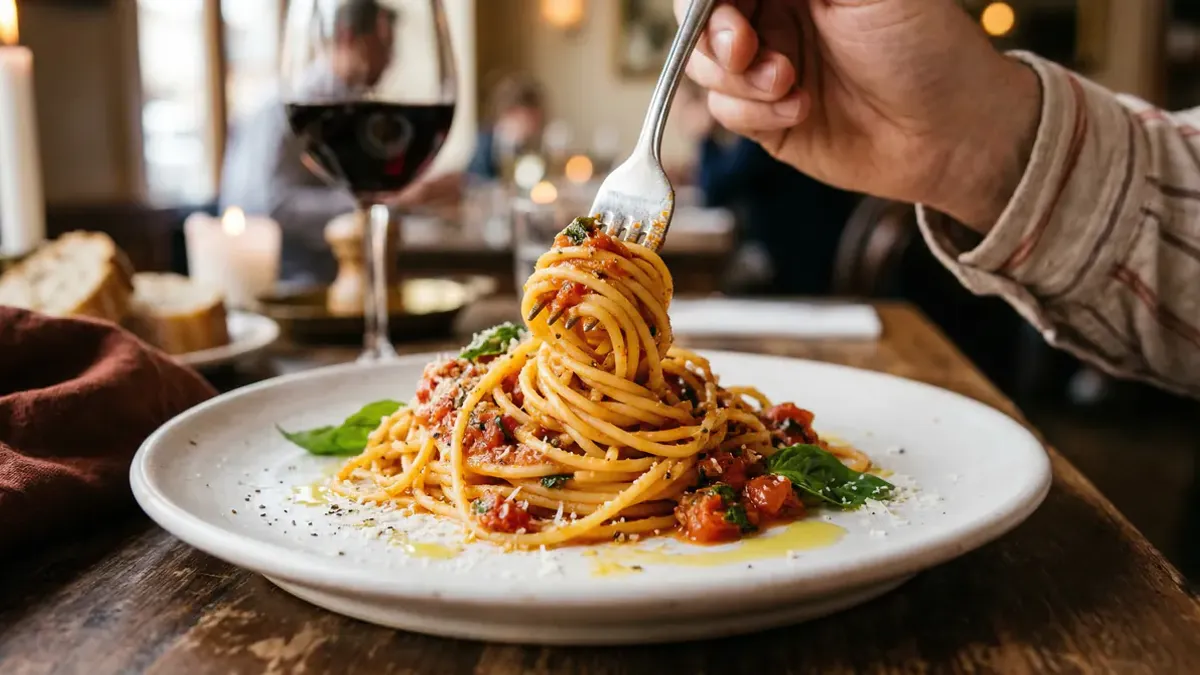
Spaghetti bolognese, penne with pesto, or a quick bowl of mac and cheese. Pasta is one of those meals that almost everyone eats regularly. It is fast, affordable, and endlessly versatile. But when you are watching your diet, you want to know: how many calories are actually in that portion? And does it matter whether you grab regular or whole wheat?
Key takeaways
- Cooked pasta. Contains about 142 kcal per 100g, based on the Dutch Food Composition Database (NEVO)
- Whole wheat pasta cooked. Slightly less at roughly 133 kcal per 100g, with nearly four times the fiber
- Dry vs. cooked. Dry pasta has about 356 kcal per 100g, but cooked drops to 142 kcal because pasta absorbs water
- The sauce is the real calorie bomb. A cream sauce can easily add 300 to 500 kcal to your dish
- Portion size. A typical serving of cooked pasta (180 to 225g) contains 256 to 320 kcal, without sauce
How many calories are in pasta by type?
Based on the Dutch Food Composition Database (NEVO), here are the values:
| Pasta type | Calories per 100g | Per serving spoon (45-54g) |
|---|---|---|
| Pasta cooked | ~142 kcal | 64 kcal (45g) |
| Whole wheat pasta cooked | ~133 kcal | 72 kcal (54g) |
| Pasta all types dry | ~356 kcal | n/a |
The calorie difference between regular and whole wheat pasta is modest: just 9 kcal per 100g cooked. But the nutritional profile reveals more.
Regular vs. whole wheat pasta: what are the differences?
Per serving spoon, cooked:
| Nutrient | Regular pasta (45g) | Whole wheat pasta (54g) |
|---|---|---|
| Calories | 64 kcal | 72 kcal |
| Carbohydrates | 12.5g | 12.8g |
| Fiber | 0.6g | 2.3g |
| Protein | 2.3g | 3.0g |
| Fat | 0.4g | 0.5g |
Whole wheat pasta contains nearly four times the fiber of regular pasta. Fiber may contribute to feeling fuller for longer. Whole wheat pasta also provides more protein, making it a slightly more nutritious choice.
Dutch dietary guidelines recommend whole grain products as part of a balanced diet. Whole wheat pasta fits that recommendation well.
Dry vs. cooked: the biggest misconception
This is the most common mistake when tracking pasta calories: confusing dry and cooked values.
- Dry pasta. ~356 kcal per 100g
- Cooked pasta. ~142 kcal per 100g
The reason? Pasta absorbs roughly double its weight in water during cooking. This cuts the calorie density per 100g by more than half.
The rule of thumb: 75g of dry pasta becomes about 170 to 190g of cooked pasta. When tracking your intake, weigh pasta dry for the most accurate measurement.
How much pasta is a normal portion?
The Dutch Nutrition Center uses a serving spoon of 45 to 54g as a portion unit. In practice, most people eat significantly more.
- Small portion. 120g cooked = about 170 kcal (as a side dish)
- Average portion. 180g cooked = about 256 kcal
- Large portion. 225g cooked = about 320 kcal
- Restaurant portion. 250 to 350g = about 355 to 497 kcal (pasta only)
That is without sauce. A restaurant spaghetti bolognese with a generous serving of sauce easily reaches 600 to 800 kcal.
The sauce makes the difference: pasta calories by dish
The pasta itself is rarely the problem. It is the sauces, the oil, and the extra cheese that drive up the calorie count.
| Pasta dish (average portion) | Estimated calories |
|---|---|
| Pasta with tomato sauce | 350 to 450 kcal |
| Spaghetti bolognese | 500 to 650 kcal |
| Penne pesto | 550 to 700 kcal |
| Pasta carbonara | 600 to 800 kcal |
| Lasagna (portion) | 500 to 700 kcal |
| Mac and cheese | 550 to 750 kcal |
A tomato sauce contains roughly 50 kcal per 100g. Pesto, by contrast, contains about 350 kcal per 100g due to the oil and pine nuts. Cream sauces fall in between at roughly 150 kcal per 100g.
Pasta vs. rice vs. pizza: how do they compare?
Pasta is often compared to other carbohydrate sources. Here is how they stack up:
| Food | Calories per 100g (prepared) | Fiber per 100g |
|---|---|---|
| Pasta (cooked) | ~142 kcal | 1.3g |
| White rice (cooked) | ~145 kcal | 0.7g |
| Pizza margherita | ~200 kcal | 1.4g |
| White bread | ~249 kcal | 2.4g |
Cooked pasta and rice are virtually identical in calories. Pizza contains more calories per 100g, mainly from cheese and fat. Bread is the most calorie-dense per 100g, but you eat fewer grams per serving.
Tips for building a smarter pasta dish
1. Choose tomato sauce over cream sauce
A simple tomato sauce contains just about 50 kcal per 100g. A cream sauce can contain four times as much. That difference alone saves roughly 200 kcal per serving.
2. Weigh your pasta dry
75g of dry pasta per person is a solid guideline. After cooking, that gives you a proper serving of about 170 to 190g. Without weighing, you can easily pour 100 to 120g dry, which yields 250 to 280g cooked.
3. Add extra vegetables
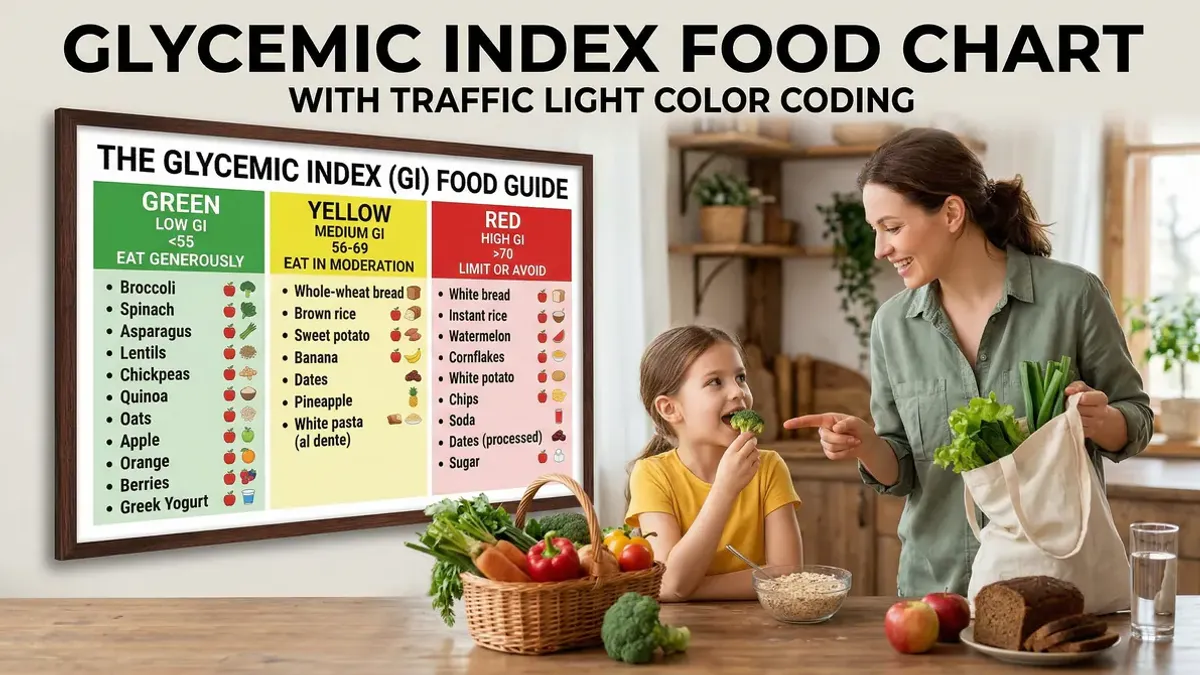
Broccoli, zucchini, spinach, tomatoes, or mushrooms increase the volume of your meal without adding many calories. Bonus: you boost your fiber and vitamin intake.
4. Limit the extra cheese
One tablespoon of grated parmesan (10g) contains about 40 kcal. That is manageable. But a generous handful on top? Easily 120 to 160 kcal extra.
5. Choose whole wheat for more fiber
The calorie difference is small, but the extra fiber may contribute to feeling fuller for longer. This is especially relevant when working toward a calorie deficit.
Frequently asked questions about pasta calories
How many calories are in a plate of spaghetti? An average plate of spaghetti (180g cooked) with tomato sauce contains about 350 to 450 kcal. With meat sauce or cream sauce, this climbs to 600 to 800 kcal.
Is pasta suitable for weight loss? Yes, pasta can fit into a weight loss plan. What matters is your total daily calorie intake, not any single food. Choose whole wheat pasta, moderate your portions, and opt for a lighter sauce.
How many grams of dry pasta is one portion? The Dutch Nutrition Center uses a serving spoon (45 to 54g) as a unit. A practical guideline is 75g of dry pasta per person for a main dish.
Is whole wheat pasta really better? Whole wheat pasta contains nearly four times the fiber and slightly more protein. The calorie difference is minimal. For overall health, whole wheat is the better choice, but regular pasta is certainly not unhealthy.
Start making smarter choices today
Pasta is a versatile staple that fits well into a healthy eating pattern. The key is not the pasta itself, but the sauce, the portion size, and the toppings.
Want to effortlessly track the calories in your pasta dish? With Moveno, you take a photo of your plate and instantly see all nutritional values. No tables, no manual searching. Discover how easy calorie tracking can be.