High LDL cholesterol is one of the leading modifiable risk factors for cardiovascular disease. Yet most people reach for medication before fully exploring what dietary changes can achieve. Research consistently shows that targeted nutrition adjustments can lower LDL cholesterol by 15 to 25 percent — a meaningful reduction that rivals the early-stage effect of some statins.
The key is understanding which foods to prioritise and why, rather than following vague advice to "eat healthy."
Key takeaways
- Soluble fibre, plant sterols, and unsaturated fats are the three evidence-based pillars of a cholesterol-lowering diet
- Oats, nuts, fatty fish, and olive oil deliver the strongest LDL-reducing effects
- Saturated fat and trans fats raise LDL most significantly — limit red meat, full-fat dairy, and processed foods
- 2 to 3 grams of plant sterols daily may reduce LDL by around 10 percent
- Measurable improvements in blood lipids typically appear within 4 to 6 weeks
- Combining dietary changes with regular physical activity amplifies results
How high LDL develops
Cholesterol is a waxy substance the body uses for cell repair, hormone production, and vitamin D synthesis. Your liver produces cholesterol endogenously, but dietary choices significantly influence circulating levels.
LDL (low-density lipoprotein) carries cholesterol to tissues but can accumulate in arterial walls, contributing to plaque build-up. HDL (high-density lipoprotein) transports cholesterol back to the liver for disposal. The ratio between these two matters more than total cholesterol alone.
Dietary saturated fats signal the liver to produce more LDL. Trans fats are worse: they simultaneously raise LDL and lower HDL. Dietary cholesterol from eggs and shellfish has less impact on blood levels than once believed, and current evidence does not support strict limits for most people.
The three evidence-based pillars
Soluble fibre
Soluble fibre binds bile acids in the gut. Normally, bile acids are reabsorbed and recycled; when they are bound and excreted, the liver must synthesise new ones using LDL cholesterol from the bloodstream. Oats are the most studied source: 3 grams of beta-glucan daily — roughly 40 grams of dry rolled oats — may lower LDL by 5 to 10 percent. Other effective sources include oat bran, psyllium husks, apples, pears, legumes, and aubergine.
Plant sterols and stanols
Plant sterols are structurally similar to cholesterol and compete with it for intestinal absorption. Consuming 2 to 3 grams daily may lower LDL by around 10 percent. They are found in fortified margarines and some yoghurt drinks. Note that plant sterols affect LDL only — they have no significant impact on triglycerides or HDL.
Unsaturated fats
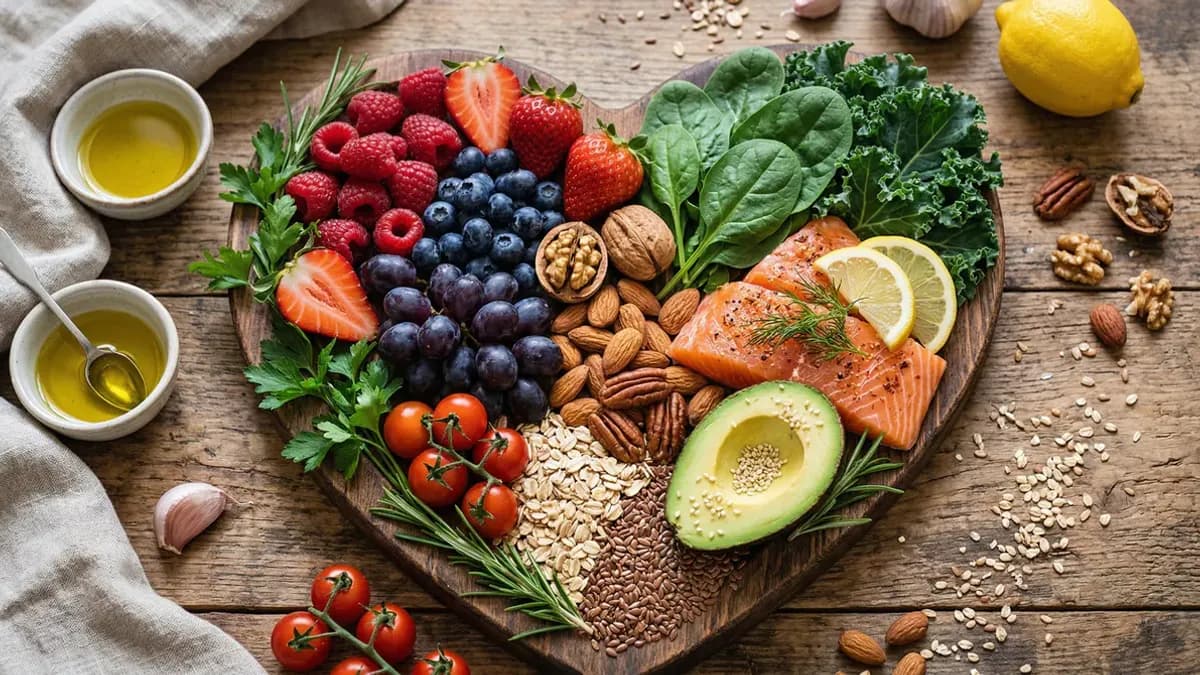
Replacing saturated fat with mono- or polyunsaturated fat lowers LDL without reducing HDL. Olive oil, avocado, nuts, and fatty fish (salmon, mackerel, herring, sardines) are the most beneficial sources. Omega-3 fatty acids in oily fish also reduce triglycerides substantially, providing an additional cardiovascular benefit.
What to limit
Saturated fat is most concentrated in red meat, full-fat dairy, butter, cheese, coconut oil, and palm oil. You do not need to eliminate these entirely, but keeping saturated fat below 10 percent of total daily calories is a well-supported target.
Trans fats are the most harmful: they raise LDL and lower HDL simultaneously. Industrial trans fats are largely banned in the EU, but imported snacks, biscuits, and fried foods may still contain them.
Added sugars raise triglycerides and lower HDL. Regular consumption of soft drinks, fruit juices, pastries, and refined carbohydrates contributes to an unfavourable lipid profile even when total fat intake is moderate.
A practical day of eating
Breakfast: Porridge made with rolled oats, topped with walnuts, blueberries, and a teaspoon of flaxseed. Or rye bread with avocado and a soft-boiled egg.
Lunch: Lentil soup with a slice of wholegrain bread. Or a salad of chickpeas, spinach, and olive oil dressing with sunflower seeds.
Dinner: Baked salmon or mackerel with steamed broccoli and cooked quinoa. Or a black bean stew with tomatoes, peppers, and brown rice.
Snacks: A small handful of unsalted almonds or walnuts (around 30 grams), an apple, or low-fat yoghurt with psyllium husks stirred in.
Lifestyle factors that strengthen results
Diet alone achieves meaningful LDL reductions, but combining it with 30 minutes of moderate physical activity most days raises HDL measurably. Quitting smoking increases HDL by up to 10 percent in some people. Losing even 5 to 10 percent of body weight lowers both LDL and triglycerides simultaneously.
How long until you see results?
Blood lipids typically improve within 4 to 6 weeks of consistent dietary changes. The most pronounced improvement occurs in the first three months. After that, values stabilise — but continuing the diet is necessary to maintain the benefit. Arrange a follow-up cholesterol test at 6 to 12 weeks to objectively assess your progress.
If cholesterol remains elevated after three months of dietary and lifestyle changes, medication may be indicated as an addition rather than a replacement. Diet and statins work through different mechanisms and complement each other well.
Tracking what you eat makes a difference
Most people significantly underestimate their saturated fat intake. Tracking food for even a few days reveals patterns that are invisible to memory alone — which cuts of meat, which cheeses, which snack habits are quietly inflating LDL.
Moveno lets you photograph your meal to get an instant breakdown of macronutrients including saturated fat — a quick way to identify where the biggest dietary gains are for your specific eating pattern.
Sources
- Mensink RP et al. (2003). Effects of dietary fatty acids and carbohydrates on the ratio of serum total to HDL cholesterol. American Journal of Clinical Nutrition. https://doi.org/10.1093/ajcn/77.5.1146
- EFSA Panel on Dietetic Products (2012). Scientific opinion on plant sterols. EFSA Journal. https://doi.org/10.2903/j.efsa.2012.2557
- American Heart Association — Dietary fats: https://www.heart.org/en/healthy-living/healthy-eating/eat-smart/fats/dietary-fats
- NHS — Lower your cholesterol: https://www.nhs.uk/live-well/eat-well/food-types/how-does-red-meat-affect-your-cholesterol/
- See also: Calorie tracking for beginners and How to calculate a calorie deficit