The banana is the most consumed fruit in the world, and it has earned that position. It is affordable, portable, naturally pre-packaged, and available in every supermarket year-round. But precisely because bananas are so ubiquitous, misconceptions about their nutritional value persist. Do they contain too much sugar? Are they suitable if you are watching your weight? And why do athletes swear by them? Here are the facts, backed by USDA data and nutritional research.
Key takeaways
- A medium banana (118 g) contains about 105 calories and 3.1 grams of fibre, according to USDA data.
- Per 100 grams, bananas contain approximately 89 calories -- higher than most fruits, but with excellent nutritional density.
- Bananas are an outstanding source of potassium (358 mg per 100 g) and vitamin B6 (25% DV).
- Green bananas contain more resistant starch, which acts as a prebiotic and supports gut health.
- Ripe bananas are higher in sugar but easier to digest, making them ideal as quick fuel for exercise.
- A banana is always a better choice than a biscuit or chocolate bar -- the fibre and nutrients make the difference.
How many calories are in a banana?
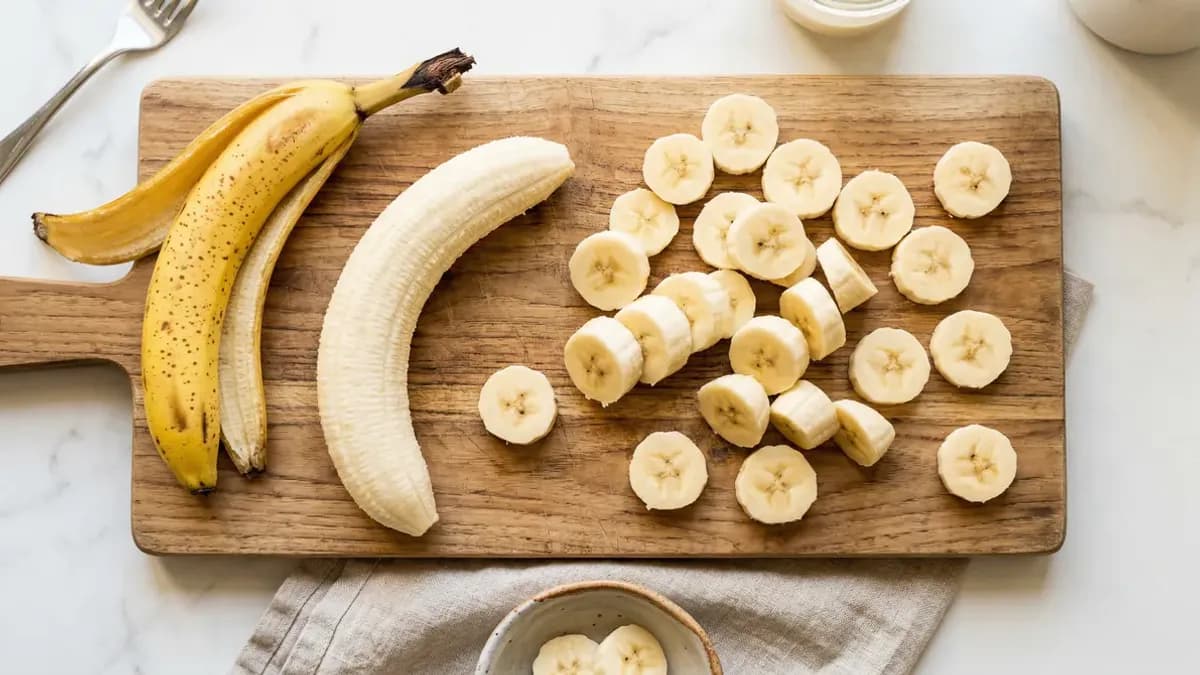
A medium banana weighing approximately 118 grams contains about 105 calories. A small banana (about 100 g) has roughly 89 calories, while a large banana can reach 135 calories. The majority of the energy comes from natural sugars and starch.
Here is the full nutritional breakdown per medium banana:
| Nutrient | Per banana (118 g) |
|---|---|
| Calories | 105 kcal |
| Carbohydrates | 27 g |
| Fibre | 3.1 g |
| Sugars | 14 g |
| Protein | 1.3 g |
| Potassium | 12% DV |
| Vitamin B6 | 25% DV |
Per 100 grams, bananas contain approximately 89 calories. That is higher than most fruits -- apples have 52 kcal, strawberries 32 kcal -- but bananas also deliver more potassium, vitamin B6, and sustained energy.
It is worth noting that portion sizes vary between data sources. The USDA defines a medium banana as 118 grams, while the Dutch Voedingscentrum uses a large banana of 165 grams (152 kcal). Always check which portion size a source is referencing.
Why do bananas have more calories than most fruits?
Bananas have a higher carbohydrate content than most other fruits. Where an apple contains about 14 grams of carbohydrates per 100 grams, a banana has 23 grams. This is because bananas naturally contain more starch and sugars.
But calories alone do not tell the complete story. Bananas also provide more potassium, more vitamin B6, and a longer-lasting sense of fullness than many lower-calorie fruits. Check our complete fruit calorie chart for an honest comparison.
Banana vs. other fruits: how do the calories compare?
Here is how the banana stacks up against other popular fruits per 100 grams:
| Fruit | Calories per 100 g |
|---|---|
| Strawberries | 32 kcal |
| Watermelon | 30 kcal |
| Apple | 52 kcal |
| Green kiwi | 61 kcal |
| Grapes | 67 kcal |
| Banana | 89 kcal |
Bananas are at the top for calories, but they also lead in potassium and vitamin B6 content. For the complete picture, see our fruit calorie overview.
Why are bananas the go-to fruit for athletes?
Bananas are the most popular fruit at sporting events and in gym bags worldwide. The combination of fast-absorbing carbohydrates, potassium, and easy digestibility makes them ideal around exercise.
Quick energy
The natural sugars in a ripe banana (glucose, fructose, and sucrose) are rapidly absorbed by your body. This makes a banana an excellent energy source 30 to 60 minutes before exercise. You get immediately available fuel without feeling heavy.
Potassium for muscle recovery
A banana contains approximately 358 mg of potassium per 100 grams. Potassium is essential for proper muscle function and may help reduce muscle cramps after exertion. After exercise, potassium also supports the restoration of your electrolyte balance.
Practical and affordable
A banana comes in its own packaging, travels easily, and costs less than most energy bars or sports gels. No special preparation needed.
Green vs. ripe banana: which is better?
The colour of your banana reveals a lot about its composition:
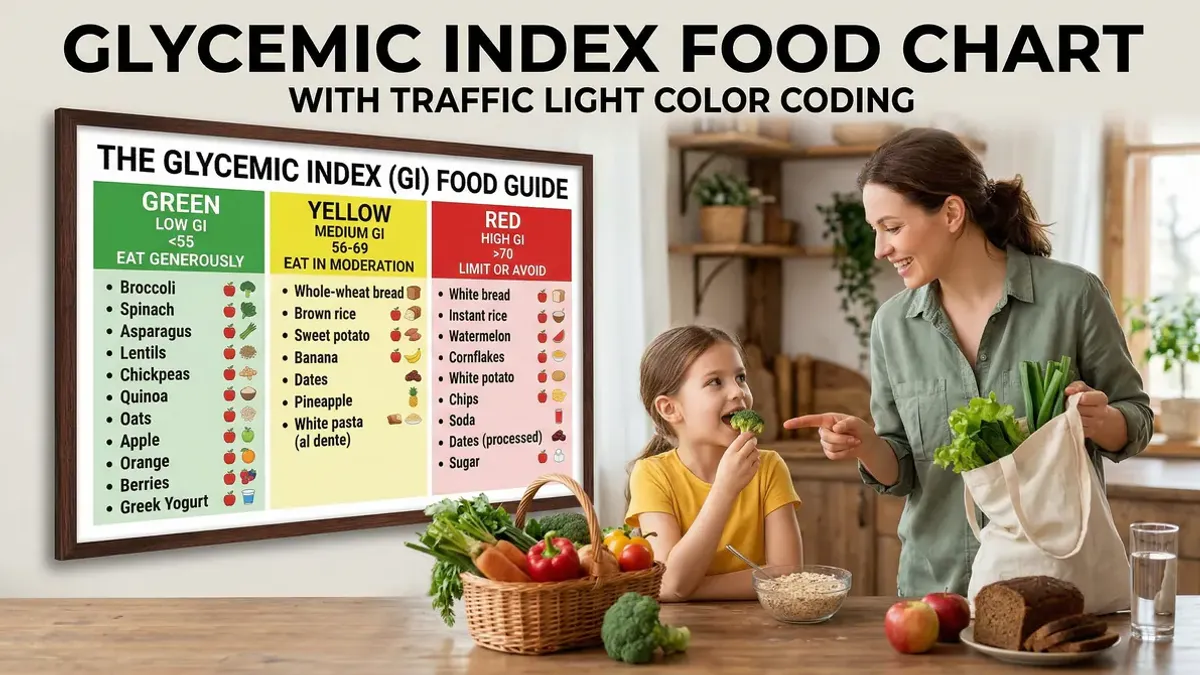
- Green banana. Contains more resistant starch, a type of carbohydrate that is not broken down in your small intestine. Instead, it reaches your large intestine where it is fermented by gut bacteria. This resistant starch functions as a prebiotic, feeding beneficial bacteria like Bifidobacteria. Green bananas have less sugar and a lower glycaemic index.
- Ripe (yellow) banana. The resistant starch has converted to sugars, making the banana sweeter and easier to digest. Ripe bananas are ideal as a quick energy source, particularly around exercise.
- Brown banana. Even sweeter and softer. The sugars are fully developed. Excellent for smoothies or baking, but contains the least amount of resistant starch.
Which is better depends on your goal. Want to support gut health? Choose greener. Need quick energy? Choose ripe. Both are good choices.
Do bananas fit into a weight management plan?
Yes, despite the higher calorie count. At 105 calories per medium banana, they are more calorie-dense than an apple (95 kcal), but that does not make them a poor choice. The combination of fibre, resistant starch, and potassium provides sustained satiety.
Comparing a banana to common processed snacks puts things in perspective:
| Snack | Calories |
|---|---|
| Banana (118 g) | 105 kcal |
| Granola bar | 140 kcal |
| Chocolate bar (45 g) | 240 kcal |
| Chocolate chip cookie | 200 kcal |
| Slice of banana bread | 195 kcal |
A banana delivers fewer calories than most processed snacks while providing substantially more nutrients. That comparison speaks for itself.
Want to understand how many calories you need each day? Read our guide to daily calorie needs.
Practical tips for including bananas in your meals
- As a snack. A banana is the perfect portable snack for work, commuting, or travel. No utensils required.
- Pair with protein. Slice a banana onto Greek yoghurt or cottage cheese. The combination of carbohydrates and protein keeps you satisfied longer.
- In your breakfast. Half a banana stirred into oatmeal adds natural sweetness without added sugars.
- Store smartly. Keep bananas separate from other fruit, as they produce ethylene gas that speeds ripening of nearby produce. Want to extend their life? Refrigerate them once they reach your preferred ripeness. The skin will darken, but the flesh stays fresh longer.
- Freeze them. Peel overripe bananas and freeze them. They are perfect for smoothies or as a base for "banana ice cream" with no added sugar.
Looking for a structured approach to understanding your nutrition? Our beginner's guide to calorie tracking walks you through the essentials.
Frequently asked questions about bananas and calories
How many calories does a small banana have? A small banana weighs approximately 100 grams and contains about 89 calories. The calorie density stays consistent at roughly 89 kcal per 100 grams regardless of size.
Are bananas bad because of the sugar? No. The sugars in bananas are naturally occurring and bound to fibre and nutrients. Health authorities do not count fruit sugars as "free sugars" -- the type you should limit. A banana is always a more nutritious choice than sweets or biscuits.
Can you eat bananas if you are watching your weight? Yes. While bananas are higher in calories than some fruits, their fibre and potassium make them a nutrient-dense snack. What matters is your total calorie intake across the day, not the calories in a single piece of fruit.
How many bananas can you eat per day? Most dietary guidelines recommend two servings of fruit daily. One large banana is nearly a full daily serving. Vary with other fruits for a diverse nutrient intake.
Make your next banana a mindful choice
The banana has earned its place as the world's favourite fruit. At 105 calories per medium fruit, with 3.1 grams of fibre and a solid dose of potassium, it is one of the most nutrient-dense snacks available. Whether you are an athlete, watching your weight, or simply looking for a healthy snack -- a banana is almost always a good call.
Want to know exactly how your banana fits into your daily nutrition? With Moveno, you take a photo of your food and instantly see the full nutritional breakdown, from calories to potassium. Effortless tracking, no guessing. Our complete guide to calorie counting shows you how to make this part of your daily routine.