
Your body has done something remarkable. For nine months it grew and sustained a new life, and the physical changes that come with that — in weight, hormones, and body composition — do not reverse overnight. Wanting to return to your pre-pregnancy weight is completely understandable. But how you go about it matters enormously, both for your own recovery and for your baby if you are breastfeeding.
Key takeaways
- Wait at least 6 weeks after a vaginal birth and 12 weeks after a caesarean section before actively trying to lose weight
- On average it takes 9 to 12 months to return to pre-pregnancy weight — that is normal and healthy
- Breastfeeding requires extra calories: do not eat fewer than 1,800 kcal per day while nursing
- Start with walking and pelvic floor exercises before progressing to more intense activity
- A rate of 0.5 kg per week is safe, realistic, and sustainable
- Sleep deprivation and hormonal shifts significantly affect hunger levels and weight
When to start
The first weeks after birth are for recovery, not weight loss. Your body has been through an enormous physical event — whether a vaginal delivery or a caesarean — and it needs time to heal. Hormones are fluctuating, sleep is disrupted, and your pelvic floor needs to recover before you load it with exercise.
After 6 weeks (or 12 weeks following a caesarean), you can begin structured movement and mindful eating. Always check with your midwife or GP before starting, particularly if you experienced any complications.
Breastfeeding and calories
Breastfeeding burns 300 to 500 kilocalories per day — a significant energy expenditure. It is tempting to assume this means you will lose weight automatically. Some women do. Others find that the body holds onto fat reserves to support milk production, and weight loss is slower than expected.
Do not eat fewer than 1,800 kcal per day while breastfeeding. Severe caloric restriction reduces milk supply and depletes nutrients that both you and your baby need. Focus instead on nutritional density: vegetables, protein, wholegrains, and healthy fats at every meal.
Building back movement
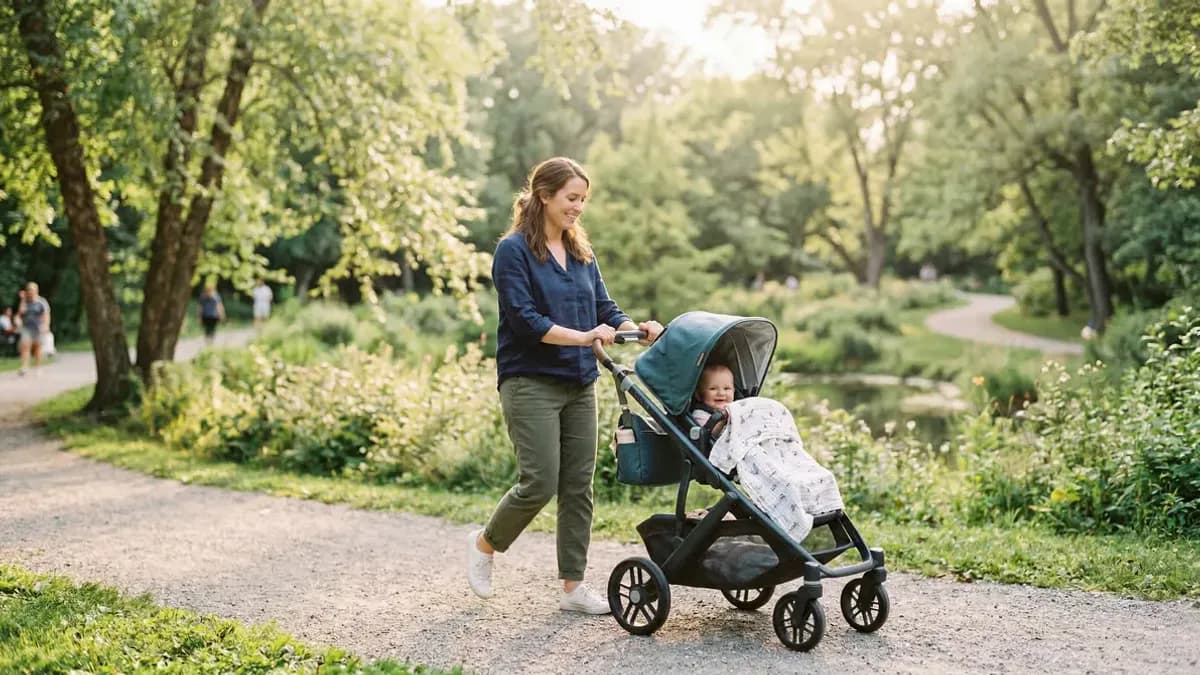
Start with walking. Thirty minutes a day with the pram is a gentle, achievable way to begin — fresh air benefits you both. Build gradually toward 45 to 60 minutes daily as your energy allows.
Pelvic floor exercises (Kegel exercises) are essential and often overlooked. A weakened pelvic floor after childbirth can cause urinary leakage and discomfort during activity. Begin these as early as you feel able, even before you are ready for more strenuous exercise.
After 10 to 12 weeks, you can cautiously introduce strength training, focusing on the major muscle groups: legs, back, shoulders. Avoid heavy abdominal exercises if you have diastasis recti (separation of the abdominal muscles, which is common after pregnancy). A pelvic floor physiotherapist can give you personalised guidance.
What to eat
High-protein foods increase satiety and support muscle recovery: eggs, Greek yoghurt, legumes, chicken, and fish. Healthy fats — avocado, nuts, olive oil — support hormone production and reduce inflammation.
Sleep, difficult as it is with a newborn, directly affects your weight. Sleep deprivation raises ghrelin (the hunger hormone) and lowers leptin (the satiety hormone). Sleeping when the baby sleeps is not a cliché — it is physiologically sound advice.
Limit ultra-processed foods, sugary drinks, and refined carbohydrates — not out of diet mentality, but because your body needs maximum nutrients per calorie right now.
Realistic expectations
The average pregnancy weight gain of 10 to 15 kilograms consists of: the baby (3–4 kg), placenta (0.5–1 kg), amniotic fluid (1 kg), extra blood and fluid (2–3 kg), and fat reserves (2–4 kg). A significant portion disappears in the first few weeks automatically. The fat reserves are what take longer.
A rate of 0.5 kg per week is safe and sustainable. A year is a realistic timeframe for returning to your pre-pregnancy weight — and that is completely fine. Social media images of celebrities "bouncing back" in weeks are not a useful or accurate reference point.
Moveno can help you track your food intake without obsessive calorie counting. Photograph your meal and the app identifies the nutritional values automatically — no weighing, no tables. That gives you useful data without the mental burden of a strict diet.
For more context on how hormones affect weight loss in women generally, see losing weight as a woman. For a concrete calorie starting point, use our calorie tracking beginner's guide and focus on protein-rich foods to support your recovery.
Mental health
Postpartum depression and anxiety are common and still underdiagnosed. If you feel persistently low, anxious, or overwhelmed, talk to your midwife, GP, or a psychologist. Your weight is the least urgent issue in that context. Mental health takes priority.
The social pressure to "snap back" quickly — amplified by social media — is harmful and bears no relation to biological reality. Give your body the time it genuinely needs.
Sources
- Amorim Adegboye, A.R. & Linne, Y.M. (2013). Diet or exercise, or both, for weight reduction in women after childbirth. Cochrane Database of Systematic Reviews. https://doi.org/10.1002/14651858.CD005627.pub3
- Dewey, K.G. (1998). Effects of maternal caloric restriction and exercise during lactation. Journal of Nutrition, 128(2), 386S–389S. https://doi.org/10.1093/jn/128.2.386S
- Gunderson, E.P. (2009). Childbearing and obesity in women: weight before, during, and after pregnancy. Obstetrics and Gynecology Clinics of North America, 36(2), 317–332. https://doi.org/10.1016/j.ogc.2009.04.001
- National Institute for Health and Care Excellence (NICE). (2010). Weight management before, during and after pregnancy. https://www.nice.org.uk/guidance/ph27