Exercise matters, but when it comes to losing belly fat, diet is the dominant lever. Study after study shows that what you eat has a greater impact on fat loss than physical activity alone. The combination of both is most powerful — but you cannot outrun a poor diet, and you cannot target visceral fat without addressing your food choices.
Key takeaways
- Diet has more influence on fat loss than exercise, though the combination works best
- Green tea catechins can reduce visceral fat, especially when combined with physical activity
- Soluble fibre (oats, legumes) slows digestion and helps limit abdominal fat accumulation
- Omega-3 fatty acids from fatty fish may support fat oxidation and reduce visceral inflammation
- Added sugars, sugary drinks, alcohol, and processed foods directly promote belly fat storage
- High protein intake protects muscle mass and significantly increases satiety
Why food composition matters for belly fat
Visceral fat — the fat surrounding your organs — is more sensitive to insulin than subcutaneous fat. When insulin levels are chronically elevated (driven by refined carbohydrates and added sugars), the body preferentially stores fat in the abdominal region. This makes food composition particularly relevant for anyone looking to reduce belly fat specifically.
A calorie deficit is the foundation, but the macronutrient composition of your diet influences where the body draws fat from and whether muscle mass is preserved in the process. For guidance on calculating your personal calorie target, see our calorie deficit calculator guide.
Green tea catechins
Green tea contains catechins — a group of polyphenols, most notably EGCG (epigallocatechin-3-gallate). A randomised trial published in Obesity (Nagao et al., 2007) found that a daily catechin-rich green tea beverage significantly reduced waist circumference, body fat percentage, and visceral fat area after 12 weeks in adults with elevated visceral fat.
A separate study in The Journal of Nutrition showed that catechin consumption enhanced exercise-induced abdominal fat loss — meaning green tea and physical activity have a synergistic effect. Two to three cups of green tea per day may contribute to this benefit, though tea alone is not a solution.
Soluble fibre: why slowing digestion helps
Soluble fibre dissolves in water and forms a gel-like substance in the intestines. This slows digestion, blunts post-meal blood sugar spikes, and extends the feeling of fullness. Research indicates that people with higher soluble fibre intake accumulate less visceral fat over time compared to those eating low-fibre diets.
Good sources of soluble fibre:
- Oats (beta-glucan)
- Legumes (lentils, chickpeas, kidney beans)
- Flaxseed
- Apples and pears (with skin)
- Broccoli and Brussels sprouts
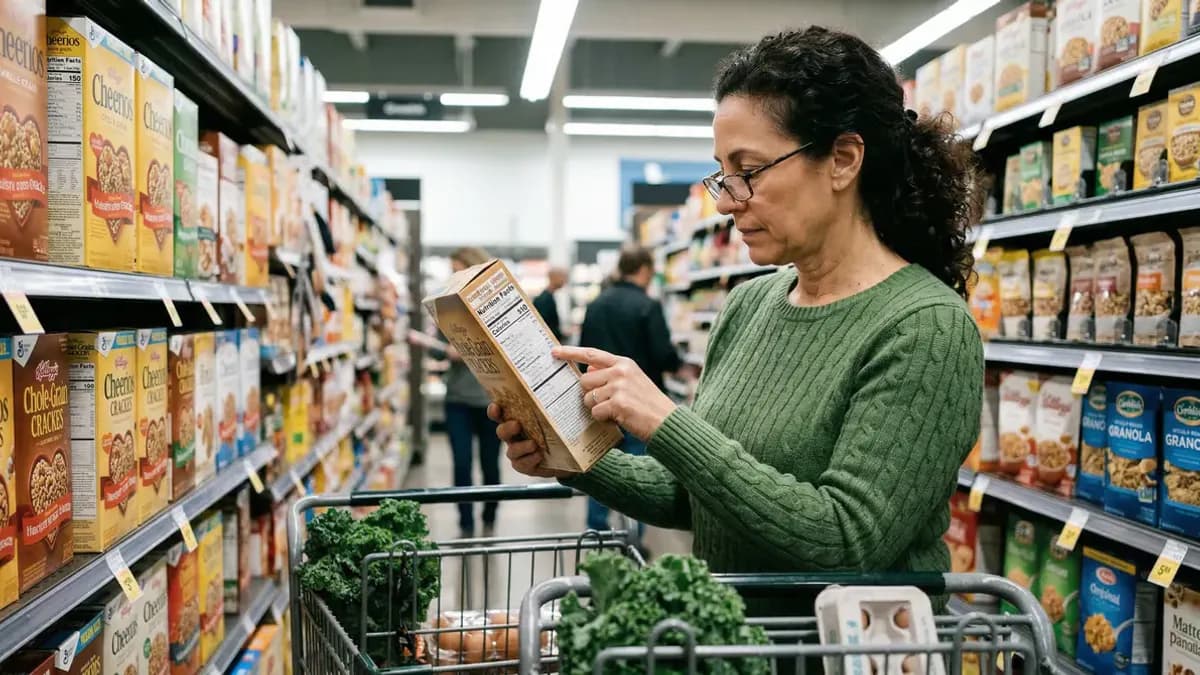
Aim for 25–30 grams of total fibre per day, with a meaningful portion from soluble sources. Tracking your intake takes the guesswork out — our calorie tracking beginner's guide covers the basics.
Omega-3 fatty acids and fatty fish
Omega-3s — specifically EPA and DHA from oily fish like salmon, mackerel, and herring — have multiple effects that indirectly counter visceral fat accumulation. They reduce systemic inflammation (visceral fat itself is a source of inflammatory compounds), improve insulin sensitivity, and may support metabolism and fat oxidation.
Health authorities generally recommend one to two portions of fatty fish per week. For those who don't eat fish, algae-based omega-3 supplements provide a plant-derived source of EPA and DHA.
Protein: the most powerful dietary tool for fat loss
Of all macronutrients, protein has the greatest impact on body composition during a calorie deficit. Higher protein intake:
- Substantially increases satiety (less hunger throughout the day)
- Preserves lean muscle mass while losing fat
- Has the highest thermic effect (more calories burned in digestion)
- Reduces the risk of weight regain after a diet
Target 1.6 to 2 grams of protein per kilogram of body weight per day. Reliable sources include chicken breast, Greek yoghurt, eggs, quark, legumes, tofu, and nuts. For a detailed breakdown, see our guide on how much protein per day.
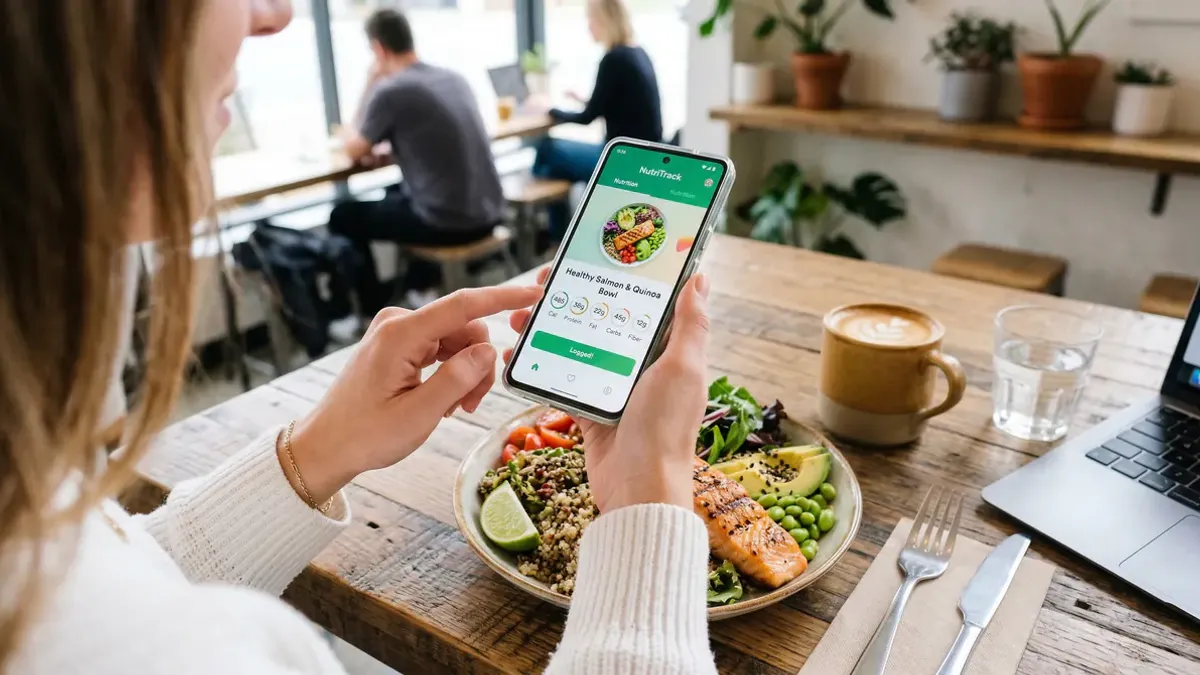
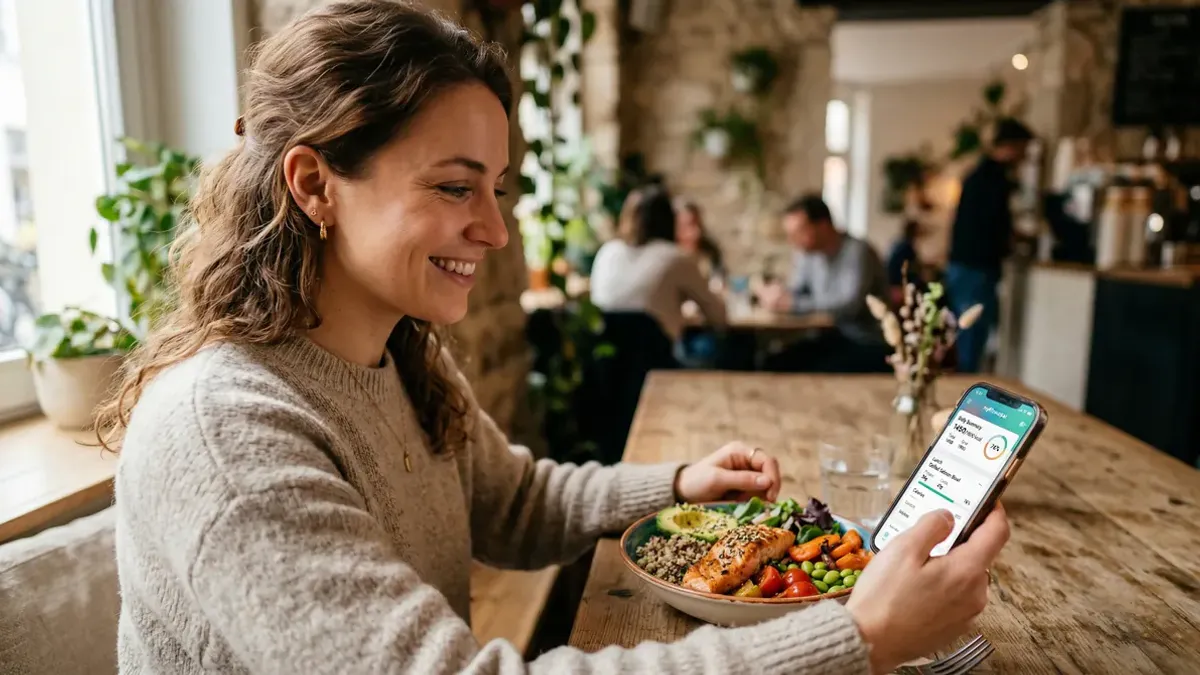
Moveno lets you photograph your meal and instantly see macros — including protein — without manual logging.
What to minimise or avoid
What you don't eat matters as much as what you do. These are the main dietary contributors to visceral fat accumulation:
Added sugars and sugary drinks rapidly spike insulin, directing calories toward fat storage. Soft drinks, fruit juices, and energy drinks deliver calories with minimal satiety.
Alcohol contains 7 kcal per gram (nearly as calorie-dense as fat) and is preferentially stored as visceral fat with even moderate regular consumption.
Trans fats (still present in many biscuits, crisps, and ready meals) are independently associated with greater visceral fat regardless of total calorie intake.
White bread and refined grains have a high glycaemic index, causing blood sugar swings that promote fat storage over time.
A practical day of eating
An eating pattern that counters visceral fat accumulation does not have to be complicated:
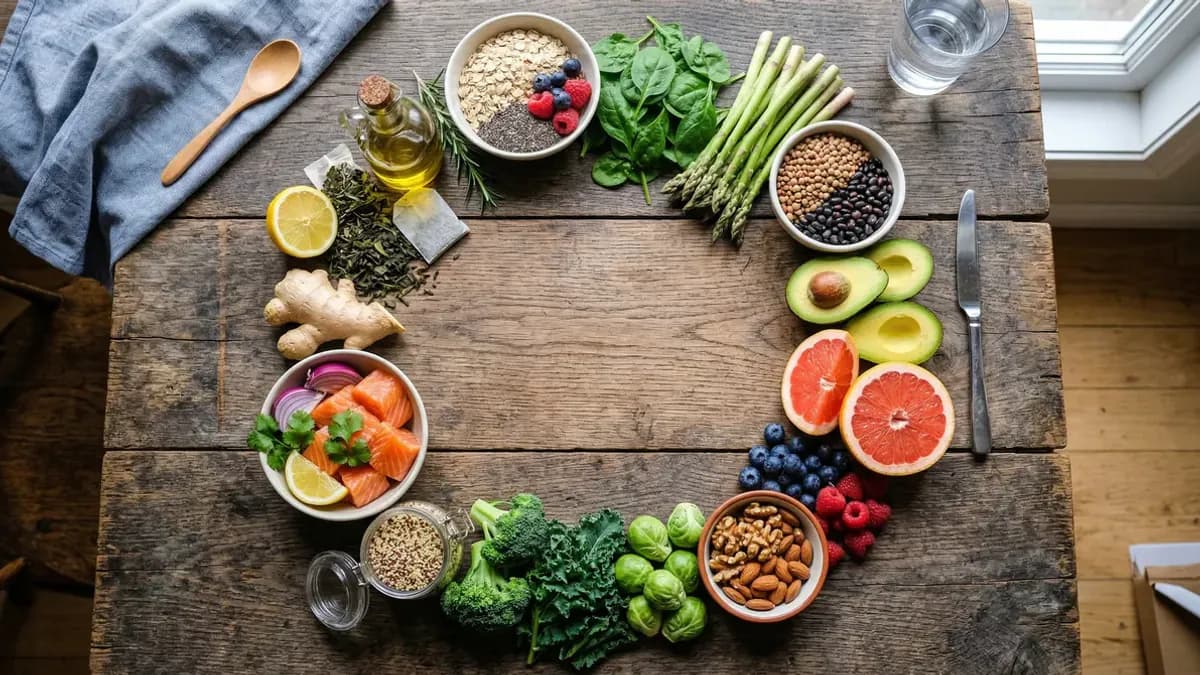
- Breakfast: Oats with Greek yoghurt, flaxseed, and berries
- Lunch: Large salad with salmon, chickpeas, avocado, and olive oil
- Snack: A handful of nuts or an apple with almond butter
- Dinner: Chicken or tempeh with broccoli, Brussels sprouts, and sweet potato
- Drinks: Water, green tea, black coffee
For strategies specifically relevant to women, read our article on belly fat loss for women.
Sources
- Nagao T et al. (2007). A green tea extract high in catechins reduces body fat and cardiovascular risks in humans. Obesity. https://pubmed.ncbi.nlm.nih.gov/17557985/
- Maki KC et al. (2009). Green tea catechin consumption enhances exercise-induced abdominal fat loss in overweight and obese adults. The Journal of Nutrition. https://pubmed.ncbi.nlm.nih.gov/19074207/
- PMC (2022). Association between green tea consumption and abdominal obesity risk. https://pmc.ncbi.nlm.nih.gov/articles/PMC8910422/
- Cleveland Clinic (2024). Visceral Fat: What It Is & How It Affects You. https://my.clevelandclinic.org/health/diseases/24147-visceral-fat